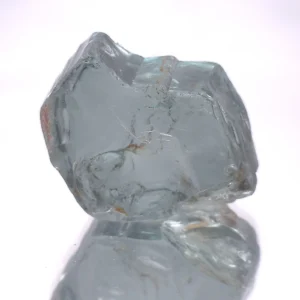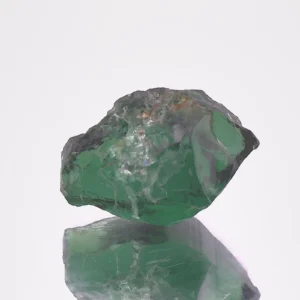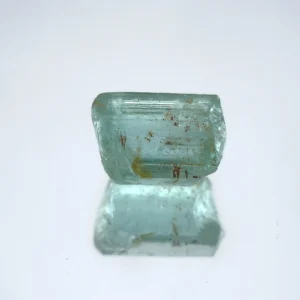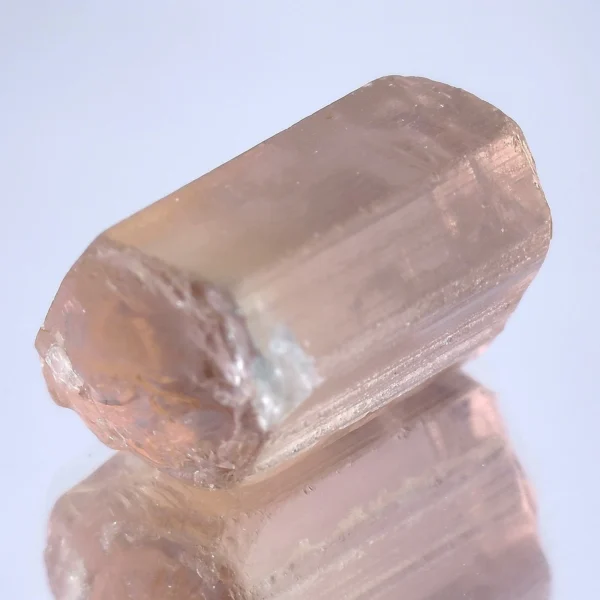
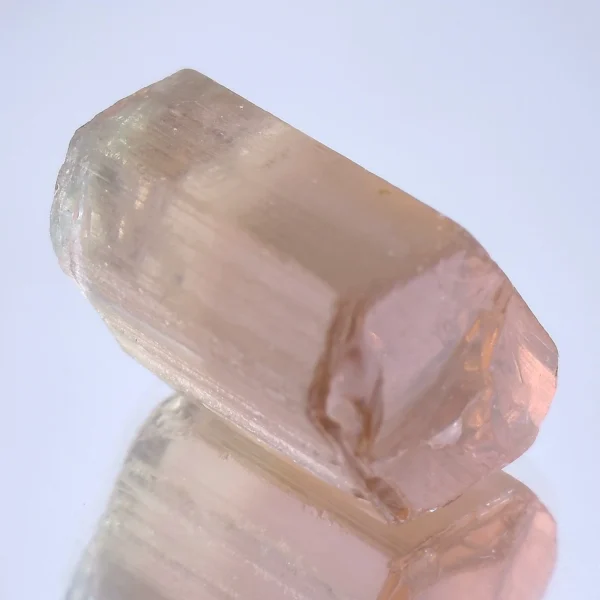
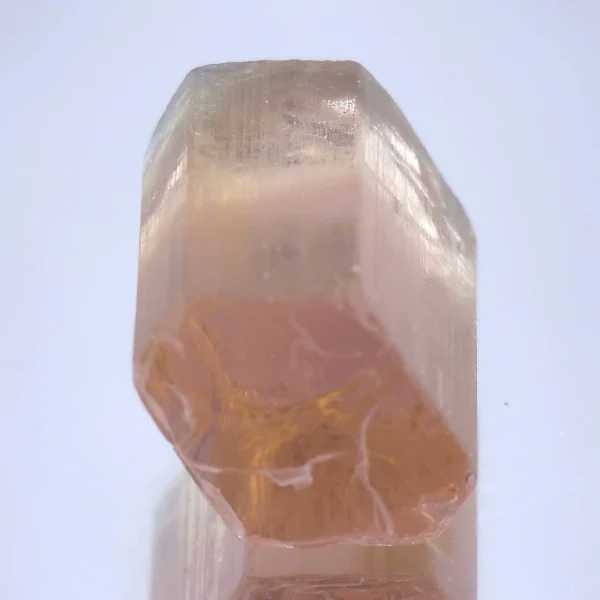
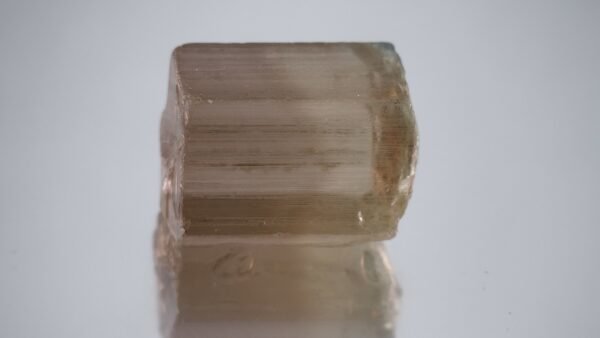
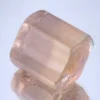
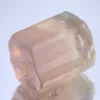
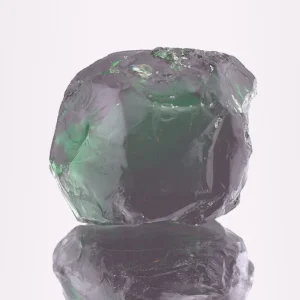
15.20ct Bi-Color Tourmaline rough, front right view
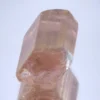
15.20ct Bi-Color Tourmaline rough, right side view
15.20ct Bi-Color Tourmaline rough, back right view
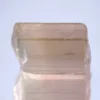
15.20ct Bi-Color Tourmaline rough, back view
15.20ct Bi-Color Tourmaline rough, back left view
15.20ct Bi-Color Tourmaline rough, left side view
15.20ct Bi-Color Tourmaline rough, front left view
15.20CT Bi-Color Tourmaline Rough

15.20CT Bi-Color Tourmaline Faceting Rough | Uncut Gemstone

$121.60

Eye clean 15.20ct bi-color tourmaline rough from Nigeria, 15.05×12.08×8.10mm. Pink with a yellow zone at one end, best cut as cushion or emerald.

Variety: Bi-Color Tourmaline | Gem: Tourmaline | Weight: 15.20 ct | Size: 15.05×12.08×8.10mm | Color: Pink / Yellow | Origin: Nigeria | Clarity: Eye Clean | Treatment: None known

1 in stock

SKU: vB6lVYgqBPo Categories: ,

Technical Specifications & Gemological Properties

Specifications for 15.20CT Bi-Color Tourmaline Faceting Rough
Carat Weight 15.20CT
Dimensions 15.05 × 12.08 × 8.10mm
Origin Nigeria
Treatment None known
Color Pink
Clarity Grade Eye Clean
Gem family Tourmaline
Variety Bi-Color Tourmaline
Secondary color Yellow
Refractive Index 1.62–1.64 †
Hardness (Mohs) 7–7.5 †
Optic Character Doubly refractive, uniaxial (−), birefringence 0.018–0.020 †
Pleochroism Moderate to strong (dichroic) †
Specific Gravity 3.02–3.26 †

† Typical reference value for tourmaline; individual stones vary.

How to orient and cut this rough — Lapidary Guide

Description

Pink with a yellow zone at one end, this 15.20ct bi-color tourmaline rough from Nigeria is eye clean, so the color is what you are cutting for. The elongated outline, measuring 15.05×12.08×8.10mm, suits cushion or emerald shapes. Plan the table position around where the pink meets the yellow, because that boundary decides how both colors show face-up.

Cutting Notes

Set the table parallel to the c-axis so the pink and yellow zones run across the length of the stone, which is how both colors show face-up. Tourmaline is strongly pleochroic and often looks darker down the c-axis, so check the color from the table before you lock the orientation. Pay close attention to the color zoning when you preform, and use dop sticks with care to keep the contrast between the two zones. Tilt the preform slightly during grinding, as the lapidary notes suggest, to strengthen the bi-color effect. Fine lines run along the length of the stone in the photo, so keep them in mind when you set the table.

Bi-color tourmaline is brittle, so keep the stone cool and avoid heavy pressure when grinding. It has a Mohs hardness of 7 to 7.5 and poor cleavage, with conchoidal fracture. Its birefringence is high enough that facet edges can look doubled through the stone. Keep pavilion angles above the critical angle of about 38 degrees, or light will leak out of the stone.

Cutter’s tip: Tilt the preform slightly during grinding, as the lapidary notes advise, and check the pink against the yellow zone from the table before the first crown facets go on.

Every stone is filmed on video before it is listed, so what you see is the stone you get. For background on Bi-Color Tourmaline, see the GIA Tourmaline guide. Browse more Bi-Color Tourmaline faceting rough from Jackson’s Gems.

Related Guides

New to cutting Tourmaline? See the Lapidary Guide.
Questions About This Bi-Color Tourmaline Rough

How do you place the table on bi-color tourmaline to show both colors?

Set the table parallel to the c-axis with the color boundary running across the length of the stone. Bi-color crystals usually carry their color zones along the c-axis, so this places both colors in view from above.

Why does bi-color tourmaline change color when you turn it?

Tourmaline is dichroic and strongly pleochroic, so its color shifts with the viewing direction. It often looks darker when viewed down the c-axis, which is why the table position matters so much.

How hard is bi-color tourmaline to polish?

Bi-color tourmaline has a Mohs hardness of 7 to 7.5 and poor cleavage, with conchoidal fracture. It is brittle and heat sensitive, so light pressure and a cool stone are the safer approach.

Why do facet edges look doubled in bi-color tourmaline?

Tourmaline has a birefringence of 0.018 to 0.020, which is high enough for facet edges to appear doubled through the stone. Check your pavilion and crown lines against the stone as you go.

What causes windowing in tourmaline?

Windowing happens when pavilion angles sit near or below the critical angle of about 38 degrees, letting light leak out instead of returning through the top. Keep the pavilion steep enough to hold the light in.

Reviews

There are no reviews yet.

Be the first to review “15.20CT Bi-Color Tourmaline Faceting Rough | Uncut Gemstone”

Your email address will not be published. Required fields are marked *