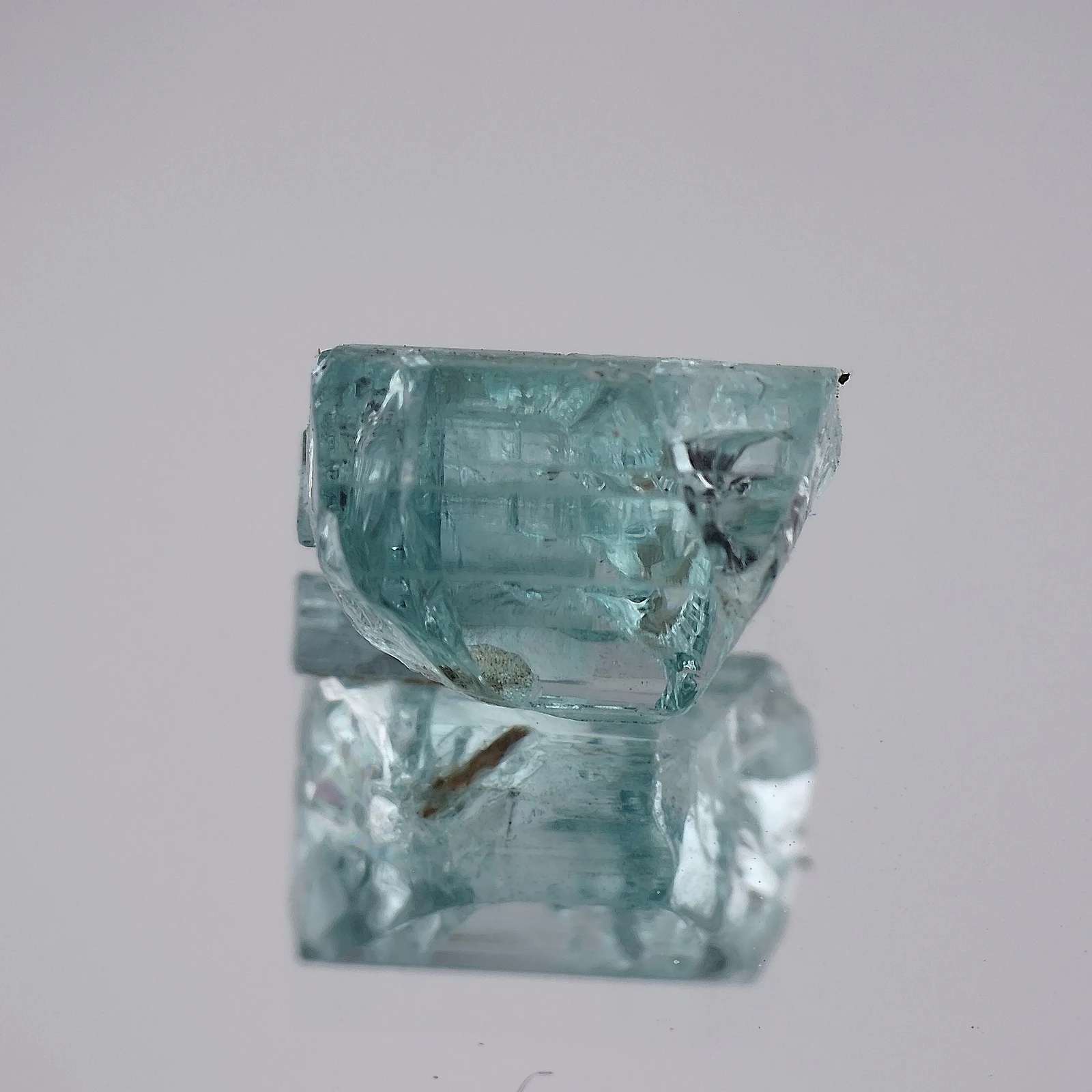
On August 27, 2026, GIA and the Gübelin Gem Lab confirmed a new source of Paraíba tourmaline in Ethiopia. The two labs did their research separately. Both found that the material is colored mainly by copper, so it meets the accepted definition of Paraíba tourmaline. Ethiopia is now the fourth known source, after Brazil, Nigeria and Mozambique.
This guide explains what the labs found, what it means when you buy rough, and how to approach the cutting.
Where the Material Comes From
Reports of copper-bearing tourmaline from Ethiopia started to move through the trade early in 2026. An early study in June 2026 placed the find near Abuloo village, in the Oromia Region. Production is still new, so the labs continue to collect more samples.
The two labs examined large sample sets. Gübelin collected about 300 rough and faceted stones from several independent sources. GIA studied a parcel of more than 100 rough and faceted stones.
What Makes It Paraíba
The name “Paraíba” (often written Paraiba) does not mean a place of origin. It means a blue to green tourmaline that gets its color mainly from copper. Both labs used the definition from the Laboratory Manual Harmonisation Committee (LMHC).
The Ethiopian stones have a clear chemical signature. The labs found elevated vanadium, lead and gallium. Gübelin reports that this signature lets a lab separate Ethiopian stones from all other Paraíba sources.
Not Every Stone Qualifies
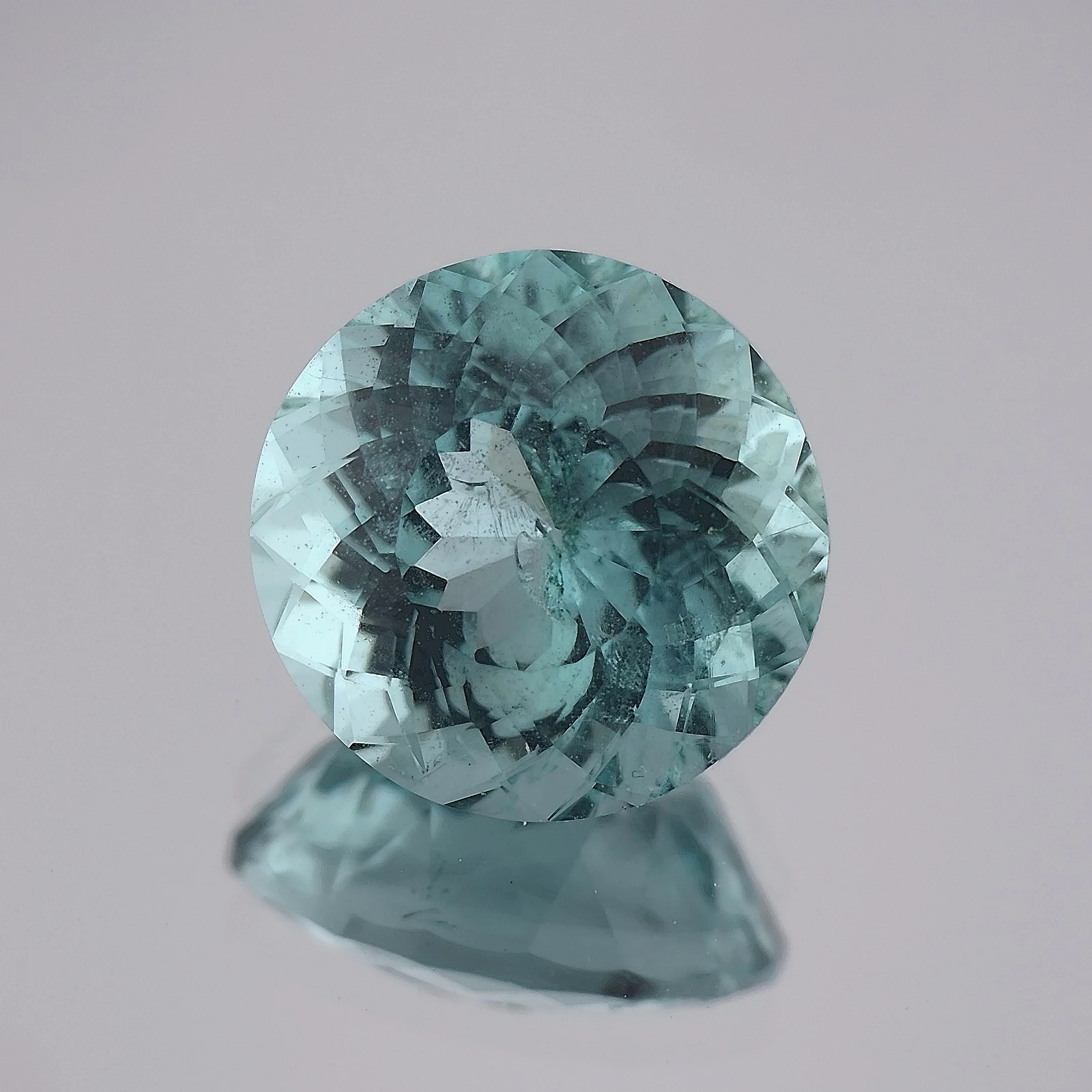
The deposit produces a mixed population of tourmaline. The early Abuloo study found large differences in copper, iron and manganese from one stone to the next. In that study, only 3 of 21 rough stones were clearly colored by copper.
- Stones colored mainly by copper are Paraíba tourmaline.
- Stones colored mainly by iron are indicolite (blue tourmaline), not Paraíba.
- Some stones fall between the two, and their name may stay open to debate.
You cannot see this difference with your eyes. A lab must measure the chemistry and the light absorption to find which element makes the color.
Colors and Color Zoning
The labs report blue to bluish green colors. Some rough also shows violet, purple or colorless areas. Many stones show strong color zoning.
Tourmaline is dichroic. Its color often looks darker when you look down the c-axis. With zoned rough, both the zones and the c-axis change the face-up color.
- Clean the rough and look through it under a strong white light.
- Mark the color zones with a fine pen before you preform.
- Check the color down the c-axis and across it.
- Place the table where the best blue or green shows face-up, and keep weaker zones near the girdle or out of the stone.
Jackson’s Insight
On zoned copper-bearing rough, map the colors before the first cut. A small change in table angle can move a purple zone into the center of the finished stone.
Cutting Notes
Tourmaline has a Mohs hardness of 7 to 7.5, with indistinct cleavage and a conchoidal fracture. It is brittle and sensitive to heat. Keep the stone cool, and do not use heavy pressure when you grind.
The critical angle of tourmaline is about 38 degrees. Pavilion angles near or below this angle let light leak out of the back of the stone. The birefringence is high enough that you may see doubled facet edges through the stone.
Heat Treatment
Copper-bearing tourmaline is often heated in the trade. The Abuloo study found that manganese varies a lot between stones. It expects heating to change some stones more than others. Do not expect one result for all Ethiopian material. Ask the seller if a stone was heated, and ask for disclosure in writing.
Before You Buy Ethiopian Paraíba Rough
- Ask for a report from a recognized lab for valuable rough, and confirm that it says Paraíba tourmaline, not only tourmaline or indicolite.
- Ask where and when the material was mined.
- Look for color zoning, and plan the cut before you pay for weight you cannot use.
- Remember that the research is still new. The labs will publish full results in a future issue of Gems & Gemology.