Description
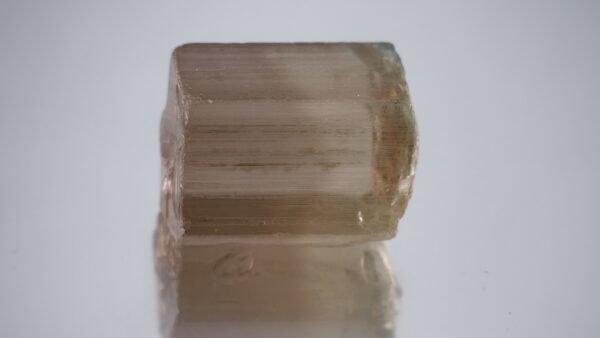
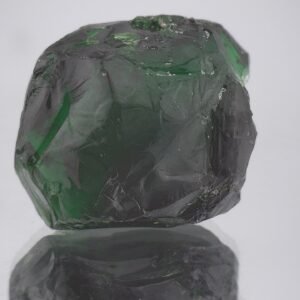
15.20CT Bi-Color Tourmaline Rough Evaluation
Geological Origins & Rarity
15.20CT Bi-Color Tourmaline Rough originates from a fascinating geological process, born from the complex interplay of magma, pressure, and trace elements within the Earth’s crust. Tourmalines, in general, form in pegmatites – late-stage magmatic formations rich in volatile elements like boron, fluorine, and lithium. These elements are crucial for tourmaline’s crystal structure. The bi-color variety, as seen in this particular 15.20CT specimen, is even more exceptional, requiring specific geochemical conditions. The pink and yellow zoning indicates variations in the concentration of manganese and iron during crystal growth.
Tourmaline deposits are found worldwide, but those producing gem-quality bi-color stones are relatively rare. Significant sources include Brazil, Nigeria, Mozambique, and Sri Lanka. Each location imparts slightly different characteristics to the tourmaline, affecting color saturation and clarity. The geological history of the deposit where this 15.20CT Bi-Color Tourmaline Rough was mined plays a vital role in its unique characteristics. The rarity of finding a rough piece of this size and quality makes it a particularly valuable find for collectors and cutters alike. Its formation involved millions of years of geological activity, making it a true testament to the power of nature.
The presence of multiple colors within a single crystal is a result of differing chemical environments during growth. This makes each bi-color tourmaline unique, with its own distinct pattern and intensity of color. Understanding the geological origins helps appreciate the inherent value and story behind this 15.20CT Bi-Color Tourmaline Rough.
Optical Physics & Color Saturation
The captivating color play within the 15.20CT Bi-Color Tourmaline Rough is a direct result of its unique optical physics. Tourmaline is a complex borosilicate mineral, and its color isn’t derived from a single element but rather a combination of trace elements and structural defects. The pink hue is typically caused by manganese ions substituting for iron in the crystal lattice. The pale yellow coloration stems from iron ions, but the precise oxidation state and surrounding crystal environment influence the intensity and shade.
What makes this 15.20CT Bi-Color Tourmaline Rough especially intriguing is the zoning of these color-causing elements. This means the concentration of manganese and iron varied during the crystal’s growth, resulting in distinct bands or patches of color. This isn’t merely surface coloration; it’s an inherent property of the stone’s internal structure. The refractive index of tourmaline, around 1.614 to 1.666, contributes to its brilliance and sparkle when cut. This range allows for excellent light return, maximizing the visibility of the bi-color effect.
The clarity of the 15.20CT Bi-Color Tourmaline Rough is also critical to its optical performance. Inclusions can scatter light, diminishing brilliance and color saturation. A high degree of transparency allows light to travel through the stone unimpeded, enhancing the vibrancy of the pink and yellow zones. Understanding these physical properties is paramount for a skilled cutter to maximize the gem’s potential and reveal its breathtaking beauty. The interplay of light and color within this 15.20CT Bi-Color Tourmaline Rough is a testament to the wonders of mineral physics.
Master Cutter’s Bench Guide
Approaching the cutting of a 15.20CT Bi-Color Tourmaline Rough requires a master cutter’s skill and an intimate understanding of the stone’s internal characteristics. The first step is a thorough evaluation of the rough, utilizing precise measurements and careful observation to identify the optimal cutting plan. The goal isn’t merely to maximize carat weight but to showcase the bi-color zoning and brilliance to its fullest potential.
Given the dimensions of this 15.20CT Bi-Color Tourmaline Rough (15.05×12.08×8.10mm), a mixed cut is often preferred. This allows the cutter to strategically orient the facets to emphasize the color contrast and create a captivating play of light. The cutter must carefully consider the orientation of the pink and yellow zones, ensuring they are prominently displayed in the finished gem. Preforming the stone is crucial, carefully removing excess material to reveal the potential shape and refine the overall design.
Polishing is the final, delicate stage. Using progressively finer polishing laps, the cutter brings the facets to a mirror-like finish, maximizing light return and brilliance. The cutter must maintain consistent pressure and avoid overheating the stone, which could damage its clarity. The finished gem from this 15.20CT Bi-Color Tourmaline Rough should be a stunning display of color and craftsmanship, a testament to the cutter’s artistry. It is important to remember that each rough is unique and requires a customized approach to cutting. The successful transformation of this 15.20CT Bi-Color Tourmaline Rough into a finished gem requires patience, precision, and a deep respect for the material.
Investment & Yield Potential
Investing in a rare gemstone like this 15.20CT Bi-Color Tourmaline Rough offers a unique opportunity for both collectors and investors. Unlike many commodities, gem-quality tourmalines are finite resources, and the demand for exceptional specimens continues to grow. The bi-color variety, with its captivating color zoning, is particularly sought after, commanding a premium price in the market.
The potential yield of a well-cut gem from this 15.20CT Bi-Color Tourmaline Rough is significant. A skilled cutter can transform the rough into a brilliant, multi-toned gemstone that will appeal to discerning buyers. The finished gem’s value will be determined by its clarity, cut, color saturation, and carat weight. The rarity of bi-color tourmalines, combined with the increasing demand for unique and ethically sourced gemstones, makes them a potentially lucrative investment.
Beyond its monetary value, owning a 15.20CT Bi-Color Tourmaline Rough or the finished gem offers aesthetic enjoyment and a connection to the natural world. It’s a tangible asset that can be passed down through generations. The market for colored gemstones is often less volatile than other investment sectors, providing a degree of stability. However, it’s important to conduct thorough research and consult with gemological experts before making any investment decisions. This 15.20CT Bi-Color Tourmaline Rough represents not just a financial opportunity, but a chance to own a piece of natural beauty and geological history.
For a detailed breakdown of this variety, visit the GIA Gem Encyclopedia or explore our Lapidary Guide for professional 15.20CT Bi-Color Tourmaline Rough cutting tips.
Master Cutter’s Bench Note for 15.20CT Bi-Color Tourmaline Rough
When preforming this rough, pay close attention to the color zoning. Utilize dop sticks strategically to preserve maximum color contrast during faceting. A slight tilt during grinding can dramatically enhance the bi-color effect.
Technical Specifications
- Weight: 15.20CT
- Dimensions: 15.05×12.08×8.10mm
- Focus Keyword: 15.20CT Bi-Color Tourmaline Rough
Reviews
There are no reviews yet.