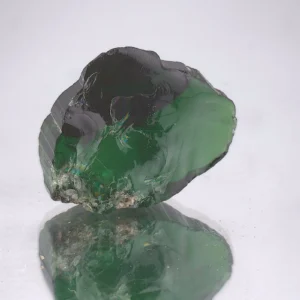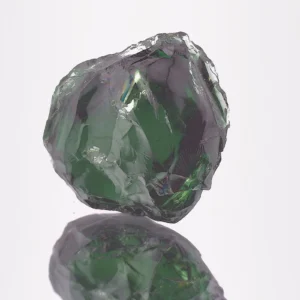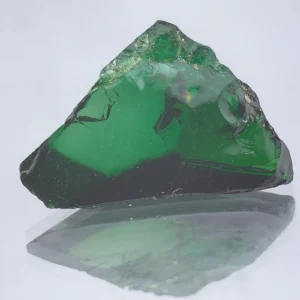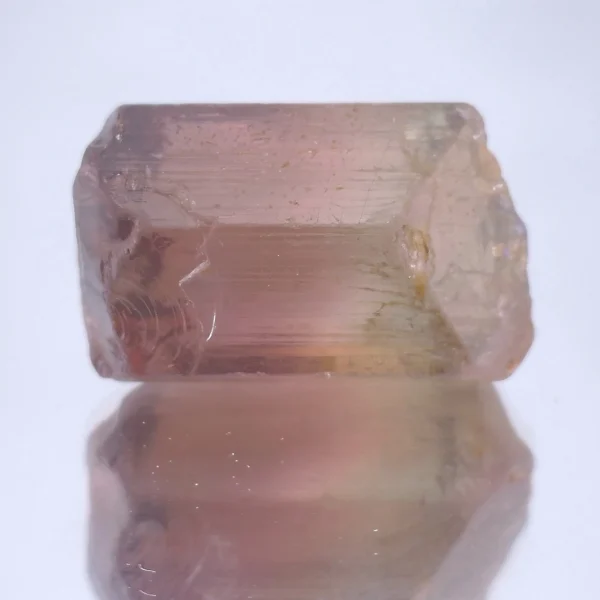
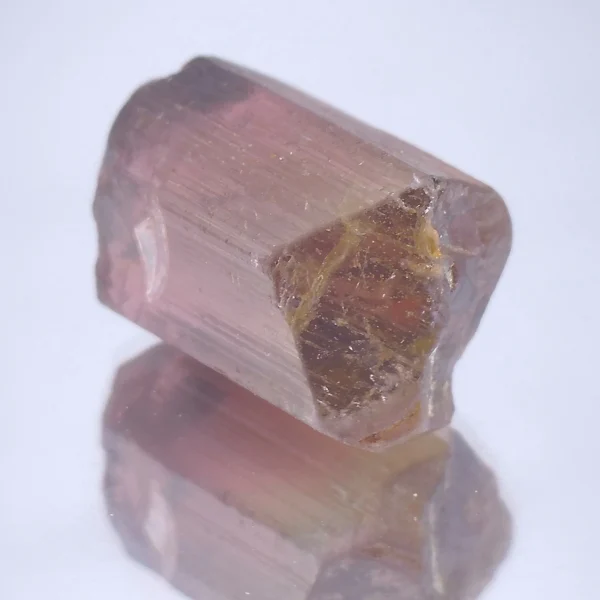
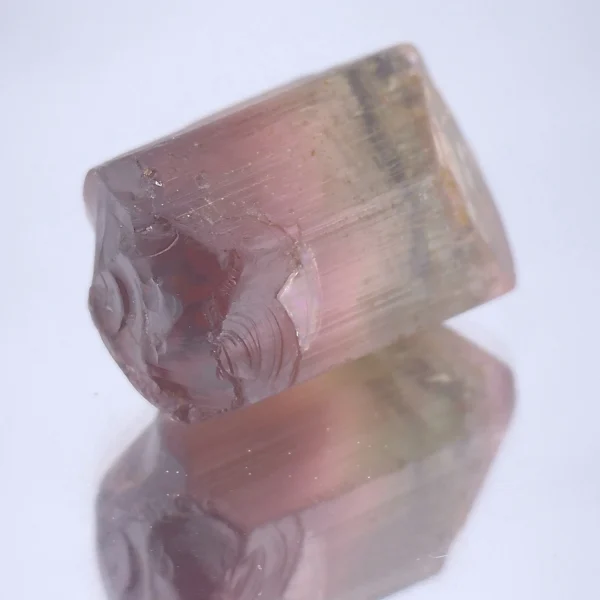
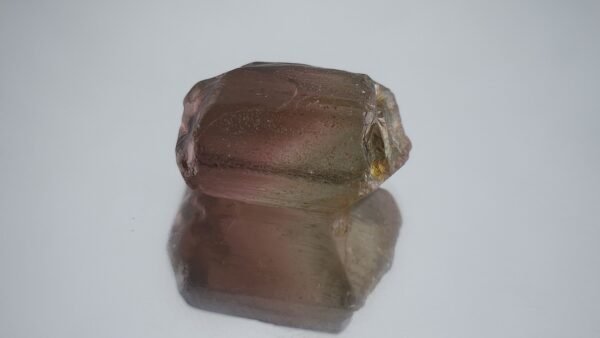
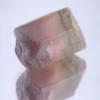
21.15ct Bi-Color Tourmaline rough, front right view
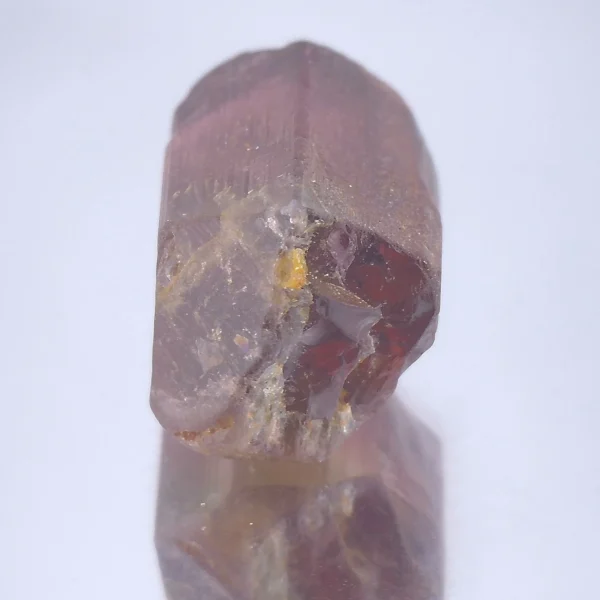
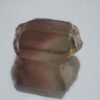
21.15ct Bi-Color Tourmaline rough, right side view
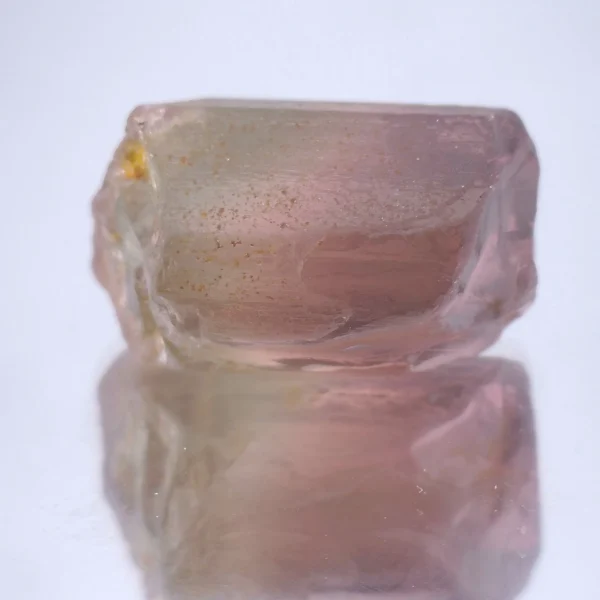
21.15ct Bi-Color Tourmaline rough, back right view
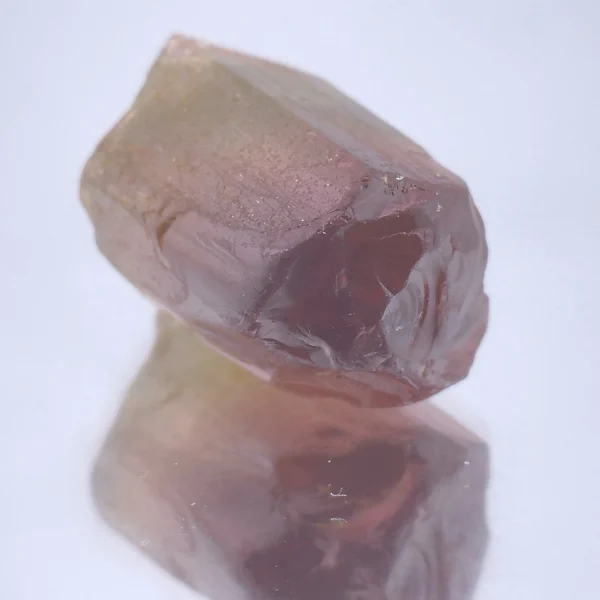
21.15ct Bi-Color Tourmaline rough, back view
21.15ct Bi-Color Tourmaline rough, back left view
21.15ct Bi-Color Tourmaline rough, left side view
21.15ct Bi-Color Tourmaline rough, front left view
21.15CT Bi-Color Tourmaline Rough

21.15CT Bi-Color Tourmaline Faceting Rough | Uncut Gemstone

$169.20

21.15ct Bi-Color Tourmaline Rough from Nigeria: pink with a pale green zone, eye clean, 18.3×11.2×10.8mm elongated prism. Best suited to cushion or.

Variety: Bi-Color Tourmaline | Gem: Tourmaline | Weight: 21.15 ct | Size: 18.3×11.2×10.8mm | Color: Pink / Pale Green | Origin: Nigeria | Clarity: Eye Clean | Treatment: None known

1 in stock

SKU: mX-_BKVGfnI Categories: ,

Technical Specifications & Gemological Properties

Specifications for 21.15CT Bi-Color Tourmaline Faceting Rough
Carat Weight 21.15CT
Dimensions 18.3 × 11.2 × 10.8mm
Origin Nigeria
Treatment None known
Color Pink
Clarity Grade Eye Clean
Gem family Tourmaline
Variety Bi-Color Tourmaline
Secondary color Pale Green
Refractive Index 1.62–1.64 †
Hardness (Mohs) 7–7.5 †
Optic Character Doubly refractive, uniaxial (−), birefringence 0.018–0.020 †
Pleochroism Moderate to strong (dichroic) †
Specific Gravity 3.02–3.26 †

† Typical reference value for tourmaline; individual stones vary.

How to orient and cut this rough — Lapidary Guide

Description

Eye clean, this 21.15ct bi-color tourmaline rough from Nigeria shows pink across most of its length with a pale green almost clear zone at one end. This stone is eye clean, so the color is what you are cutting for. The elongated outline, measuring 18.3×11.2×10.8mm, suits cushion or emerald shapes. Set the table parallel to the c-axis so the color boundary runs the length of the stone.

Cutting Notes

Set the table parallel to the c-axis with the color boundary running across the length of the stone. That places both colors face-up, and it suits this elongated prism, which lends itself to a cushion or emerald outline that follows its length. In the photos, a yellow streak shows near one end face, so look at that end closely before you commit the table. Build the pavilion depth the lapidary notes call for, and keep the angles above the critical angle of about 38 degrees, because angles near or below it let light leak out.

Bi-Color Tourmaline is brittle and heat sensitive, so keep the stone cool throughout the work and avoid heavy pressure on the wheel. It rates 7 to 7.5 on Mohs, but its cleavage is poor and its fracture is conchoidal, so a knock can do more damage than the hardness suggests. The color darkens when you look down the c-axis, so the table orientation changes how the pink reads. Polish gently and check the zone boundary as you go.

Cutter’s tip: Keep the pavilion angles above the critical angle when you add the asymmetry the lapidary notes suggest, and watch the color boundary as you finish the pavilion.

Every stone is filmed on video before it is listed, so what you see is the stone you get. For background on Bi-Color Tourmaline, see the GIA Tourmaline guide. Browse more Bi-Color Tourmaline faceting rough from Jackson’s Gems.

Related Guides

New to cutting Tourmaline? See the Lapidary Guide.

Questions About This Bi-Color Tourmaline Rough

Which orientation shows both colors in bi-color tourmaline rough?

Place the table parallel to the c-axis with the color boundary running across the length of the stone. Bi-color tourmaline usually zones along the c-axis, so this is the usual way to get both colors face-up in one stone.

Why does bi-color tourmaline look darker in some orientations?

Tourmaline is strongly pleochroic, and its color is often darker when viewed down the c-axis. Dark material is often cut with the table parallel to the c-axis, while light material is often cut with the table across it.

How careful do you need to be when polishing bi-color tourmaline?

Bi-color tourmaline is brittle and heat sensitive, so keep the stone cool and avoid heavy pressure. Its cleavage is poor and its fracture is conchoidal, so gentle, steady work matters more than speed.

Why is the critical angle important for tourmaline pavilions?

Tourmaline has a critical angle of about 38 degrees. Pavilion angles near or below that value let light leak out, which causes windowing and dulls the stone.

Does birefringence affect how facet edges look in tourmaline?

Yes. Tourmaline’s birefringence is 0.018 to 0.020, high enough that facet edges can look doubled through the stone. Check your facet junctions carefully when judging the finished polish.

Reviews

There are no reviews yet.

Be the first to review “21.15CT Bi-Color Tourmaline Faceting Rough | Uncut Gemstone”

Your email address will not be published. Required fields are marked *