




Description
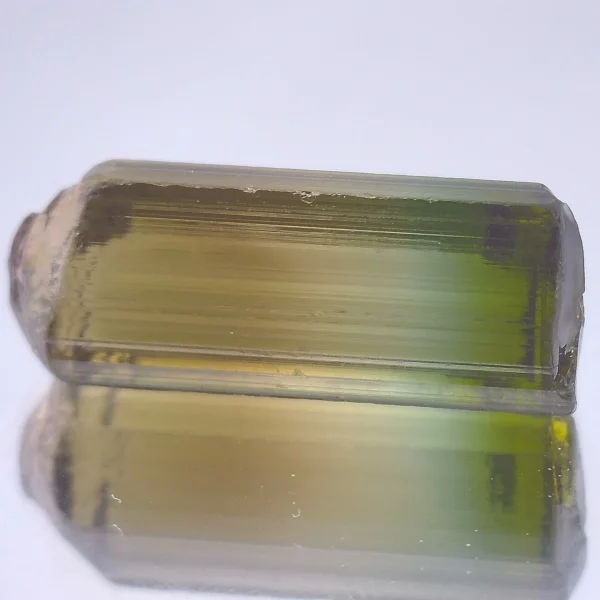
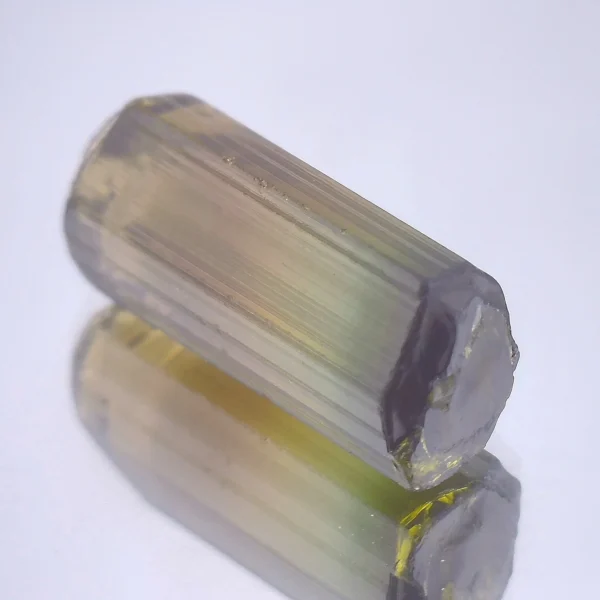
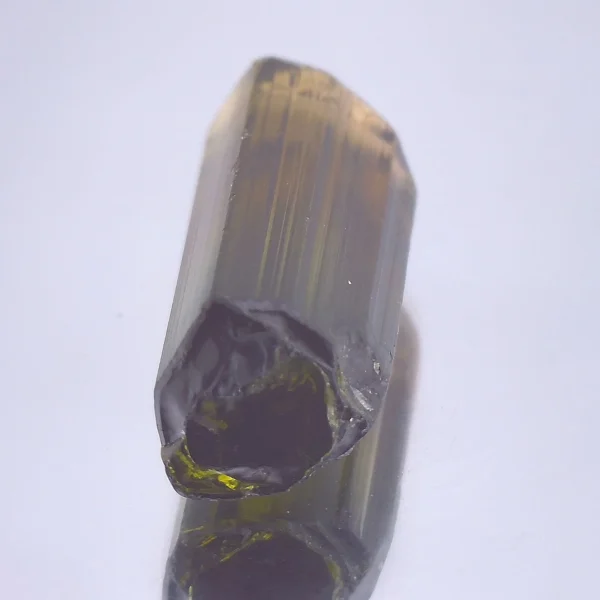
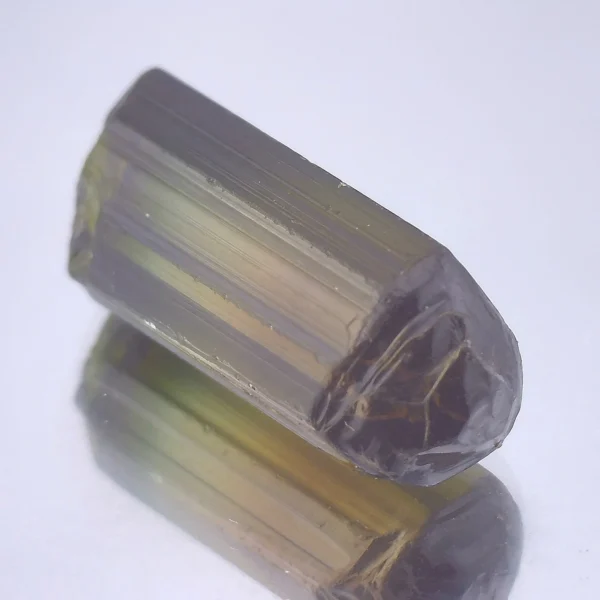
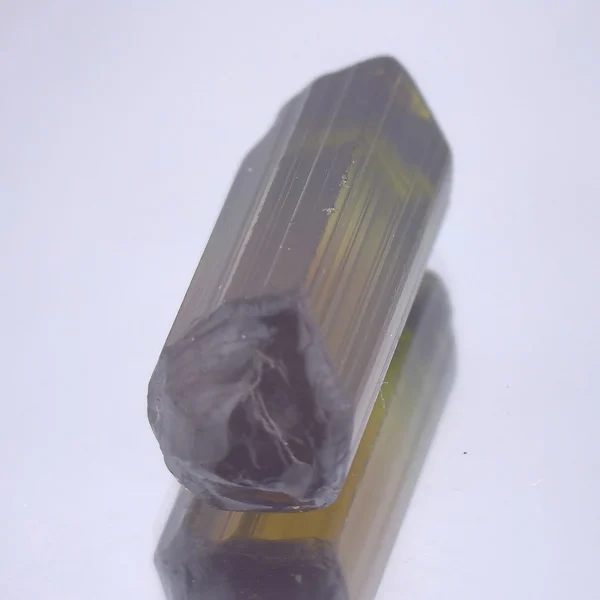
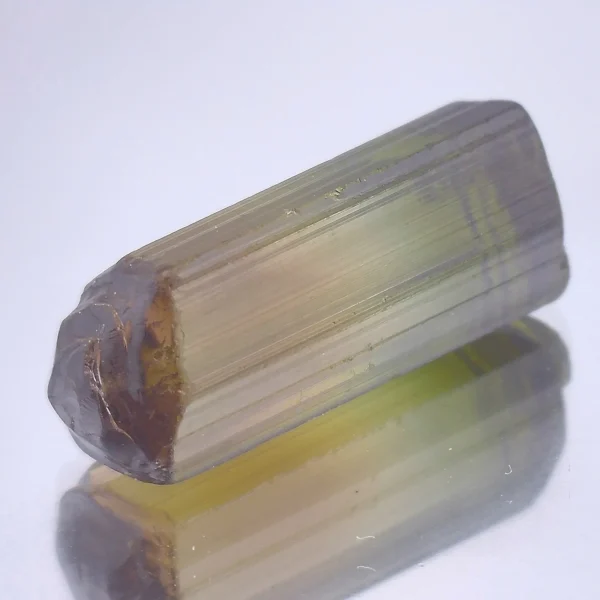
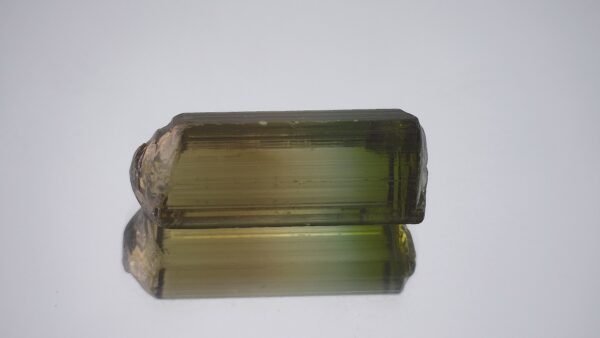
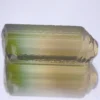
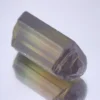
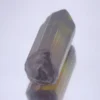
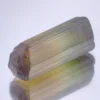
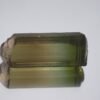
Keep pavilion angles above the critical angle, because this 11.44ct bi-color tourmaline rough from Nigeria is green with a paler yellow-green zone. This stone is eye clean, so the color is what you are cutting for. Its elongated outline, measuring 19.82×7.74×7.42mm, suits cushion or emerald shapes. Plan the table position around where the green and paler zones meet.
Cutting Notes
Set the table parallel to the c-axis so the color boundary runs across the length of the stone. That position shows both colors face-up, and it suits the long outline. A cushion or emerald cut follows the length of the piece well. Put the most weight into maximum pavilion depth, since the lapidary notes call for it to improve light return and reduce windowing on a bi-color stone. Keep pavilion angles above the critical angle of about 38 degrees, and control the angles carefully on every facet.
Bi-Color Tourmaline is hardness 7 to 7.5 and brittle, so light pressure matters more than speed. Cleavage is poor and fracture is conchoidal, so work without shocks at the edges. Keep the stone cool, because the gem is heat sensitive. Expect facet edges to look doubled through the stone, since birefringence is 0.018 to 0.020. Polish with a steady hand and check each facet against the windowing line before moving on.
Cutter’s tip: Mark the color boundary on the rough before you grind, then set the table so that line runs across the length of the stone. Check the pavilion angle against the critical angle as you go, not at the end.
Every stone is filmed on video before it is listed, so what you see is the stone you get. For background on Bi-Color Tourmaline, see the GIA Tourmaline guide. Browse more Bi-Color Tourmaline faceting rough from Jackson’s Gems.
Related Guides
- Ethiopian Paraíba Tourmaline: What Cutters Should Know
- Masterclass: Understanding Pleochroism & Gemstone Orientation
New to cutting Tourmaline? See the Lapidary Guide.

Reviews
There are no reviews yet.