Description
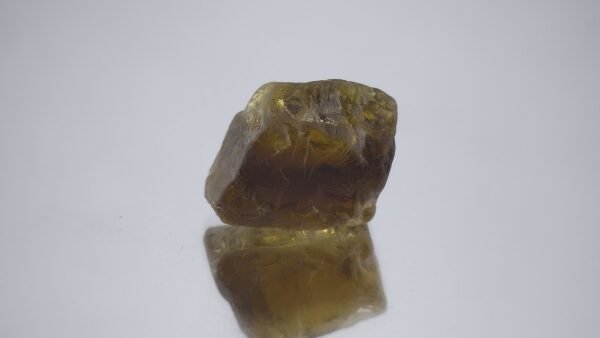
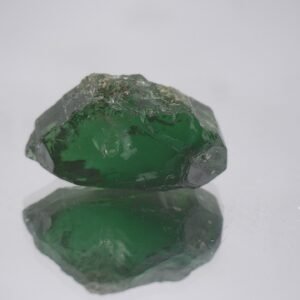
9.92CT Sunset Tourmaline Rough Evaluation
Geological Origins & Rarity
9.92CT Sunset Tourmaline Rough originates from the complex geological processes within granitic pegmatites. These pegmatites, formed during the late stages of magma crystallization, provide the ideal environment for the growth of tourmaline crystals. The unique combination of elements – aluminum, boron, and lithium, along with trace elements like manganese and iron – are crucial to the development of the ‘sunset’ coloration. The specific geological conditions, including pressure, temperature, and the availability of these elements, contribute to the rarity of this particular hue.
Tourmaline’s formation isn’t a quick process; it requires millions of years. The pegmatites themselves are often found in areas with a history of tectonic activity and metamorphic processes. The 9.92CT Sunset Tourmaline Rough, like all tourmalines, belongs to the cyclosilicate group of minerals, known for its complex crystal structure. This structure contributes to its hardness and durability. The source location dramatically impacts the trace element composition, and therefore, the final color. Sunset Tourmalines, characterized by their blend of golden and green shades, are often found in specific regions known for their unique geochemical signatures.
Finding a rough piece of this size and clarity is a testament to both geological luck and the quality of the original source material. The 9.92CT Sunset Tourmaline Rough represents a piece of Earth’s history, formed under extraordinary conditions and preserved for the lapidary artist to unlock its inherent beauty. Its rough form provides a glimpse into the natural processes that shaped it, a raw beauty awaiting transformation.
Optical Physics & Color Saturation
The captivating color of the 9.92CT Sunset Tourmaline Rough isn’t just aesthetic; it’s deeply rooted in its optical physics. Tourmaline’s color is a result of charge transfer complexes involving iron, manganese, and other trace elements within its crystal lattice. In the case of ‘sunset’ tourmaline, the interplay of these elements creates a unique absorption spectrum that preferentially absorbs certain wavelengths of light, reflecting back the warm golden and pale green hues we perceive. This isn’t a simple surface coloration, but a property inherent to the stone’s molecular structure.
The saturation of color in the 9.92CT Sunset Tourmaline Rough is influenced by the concentration and distribution of these coloring agents. A higher concentration generally leads to a more intense color. However, the *way* these elements are distributed within the crystal is equally important. Color zoning, as seen in this particular piece, occurs when the concentration of coloring agents varies across the crystal, creating bands or patches of different shades. This zoning can be strategically utilized during faceting to maximize color play and brilliance. Pleochroism, the property of displaying different colors when viewed from different angles, is also present in tourmaline, adding another layer of complexity and beauty.
The refractive index of tourmaline is relatively high, contributing to its brilliance and fire. The 9.92CT Sunset Tourmaline Rough’s clarity allows light to travel through the stone with minimal scattering, further enhancing its optical performance. Understanding these physical properties is crucial for a cutter to properly orient the rough and maximize the finished gem’s scintillation. The gem’s ability to disperse light into spectral colors makes it a truly mesmerizing stone, and the 9.92CT Sunset Tourmaline Rough promises a spectacular display of this phenomenon.
Master Cutter’s Bench Guide
Approaching the 9.92CT Sunset Tourmaline Rough on the master cutter’s bench demands careful planning and a deep understanding of its internal characteristics. Initial assessment should focus on identifying the most promising viewing direction, maximizing color saturation and minimizing any inclusions. The dimensions of 11.89×10.6×8.49mm suggest a good potential for a variety of cuts, but a modified brilliant cut or a step cut would best showcase the stone’s color and clarity. A key consideration is to preserve as much weight as possible while achieving optimal brilliance.
The color zoning within the 9.92CT Sunset Tourmaline Rough presents both a challenge and an opportunity. A skilled cutter will strategically orient the stone to either highlight the zoning as a desirable feature or minimize its visibility, depending on the desired aesthetic. Careful examination under polarized light can reveal the zoning patterns, aiding in the planning process. The rough’s shape will dictate the initial bruting and blocking stages, establishing the basic outline of the finished gem. Precision is paramount during these stages to ensure symmetry and maximize yield.
Polishing the facets of the 9.92CT Sunset Tourmaline Rough requires a series of progressively finer abrasives, culminating in a final polish with diamond paste. The cutter must maintain consistent pressure and speed to achieve a flawless, mirror-like finish. The final cut should not only maximize brilliance and fire but also protect the stone from chipping or damage. A well-cut 9.92CT Sunset Tourmaline Rough will exhibit exceptional scintillation and a captivating play of light, transforming the rough stone into a treasured work of art. This rough offers a fantastic canvas for a lapidarist to truly express their skill.
Investment & Yield Potential
The 9.92CT Sunset Tourmaline Rough represents not only a beautiful gemstone but also a potential investment. Fine-quality tourmalines, particularly those with unique color combinations like ‘sunset,’ are increasingly sought after by collectors and jewelry enthusiasts. The demand for colored gemstones is steadily rising, driven by a growing appreciation for their natural beauty and rarity. The 9.92CT Sunset Tourmaline Rough, with its commendable clarity and potential for a stunning faceted stone, is well-positioned to benefit from this trend.
The value of a finished tourmaline is determined by several factors, including carat weight, color, clarity, cut, and overall aesthetic appeal. A skillfully cut 9.92CT Sunset Tourmaline could command a significant price per carat, exceeding the initial investment in the rough. The rarity of the ‘sunset’ hue further enhances its investment potential. While gemstone prices can fluctuate, well-maintained and documented gemstones generally retain their value over time, and exceptional pieces can even appreciate.
Beyond its financial value, the 9.92CT Sunset Tourmaline Rough also offers intrinsic value as a unique and beautiful object. It’s a tangible asset that can be enjoyed for generations. The growing interest in ethical sourcing and sustainable practices also favors gemstones like tourmaline, which are often mined responsibly. Investing in the 9.92CT Sunset Tourmaline Rough isn’t just about acquiring a gemstone; it’s about owning a piece of natural artistry and a potential legacy.
For a detailed breakdown of this variety, visit the GIA Gem Encyclopedia or explore our Lapidary Guide for professional 9.92CT Sunset Tourmaline Rough cutting tips.
Master Cutter’s Bench Note for 9.92CT Sunset Tourmaline Rough
Due to potential internal stress fractures common in tourmaline, pre-form the stone very slowly with a diamond saw to avoid catastrophic breakage. Use plenty of lubrication.
Technical Specifications
- Weight: 9.92CT
- Dimensions: 11.89×10.6×8.49mm
- Focus Keyword: 9.92CT Sunset Tourmaline Rough
Reviews
There are no reviews yet.