Description
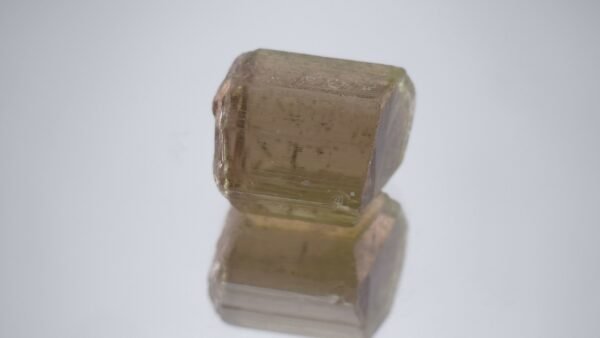
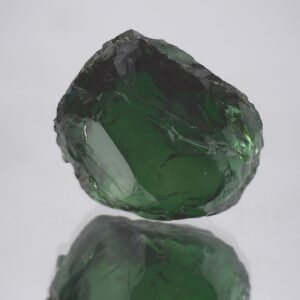
9.63CT Sunset Tourmaline Rough Evaluation
Geological Origins & Rarity
9.63CT Sunset Tourmaline Rough originates from a fascinating geological process, typically forming within granitic pegmatites. These are coarse-grained igneous rocks formed during the late stages of magma crystallization. The presence of boron, lithium, and aluminum, coupled with intense heat and pressure, are crucial for tourmaline formation. Sunset Tourmaline, in particular, owes its unique coloration to trace amounts of manganese and iron. The specific geological conditions – the concentration of these elements and the cooling rate – determine the intensity and distribution of color within the crystal.
Tourmaline deposits are found globally, but high-quality, vividly colored specimens like this 9.63CT Sunset Tourmaline Rough are comparatively rare. Significant sources include Brazil, Nigeria, Mozambique, and Afghanistan. The rough material undergoes a journey of millions of years, enduring tectonic shifts and weathering before being discovered. The fact that this piece retains such a strong color saturation and clarity indicates a particularly stable and favorable formation environment. This makes the 9.63CT Sunset Tourmaline Rough a truly special find, representative of geological history and rare beauty.
The rough itself often exhibits natural zoning, where color varies within the crystal. This isn’t a flaw, but a testament to the dynamic chemical environment during its growth. Understanding these geological origins is paramount for a cutter, as it informs the optimal cutting strategy to maximize brilliance and preserve the stone’s natural character. The 9.63CT Sunset Tourmaline Rough offers a unique opportunity to connect with the Earth’s processes and transform a raw marvel into a stunning finished gem.
Optical Physics & Color Saturation
The captivating color of the 9.63CT Sunset Tourmaline Rough is a result of complex optical physics. Tourmaline is a cyclosilicate, meaning its chemical structure is based on silicon-oxygen rings. These rings, combined with the trace elements mentioned earlier (manganese and iron), dictate how the stone interacts with light. Unlike many gemstones that derive color from absorbing certain wavelengths, tourmaline exhibits pleochroism – displaying different colors when viewed from different angles. This is particularly noticeable in the 9.63CT Sunset Tourmaline Rough, where the interplay of light creates a dynamic and mesmerizing effect.
The saturation of the sunset hues is influenced by the concentration and oxidation state of the coloring elements. Manganese is the primary contributor to the reddish tones, while iron adds warmth and depth. The clarity of the rough also plays a crucial role. Fewer inclusions allow light to travel through the stone unimpeded, resulting in a more vibrant and intense color. The 9.63CT Sunset Tourmaline Rough boasts a remarkable clarity, allowing the sunset colors to truly shine. Its refractive index, around 1.614 to 1.666, is relatively high, contributing to its potential brilliance when expertly cut.
Furthermore, tourmaline is known for its strong double refraction. This means that light entering the stone is split into two rays, which travel at different speeds and directions. A skilled cutter will consider this phenomenon when planning the cut to maximize light return and minimize any undesirable visual effects. Understanding these optical properties is essential for unlocking the full potential of the 9.63CT Sunset Tourmaline Rough and creating a gemstone of exceptional fire and beauty.
Master Cutter’s Bench Guide
Approaching the 9.63CT Sunset Tourmaline Rough on the master cutter’s bench requires a careful and considered strategy. Given its dimensions of 11.32×10.04×8.27mm, the cutter has several options, but preserving color and maximizing brilliance are paramount. A classic oval or round brilliant cut would be a strong choice, optimizing light return and showcasing the stone’s inherent fire. However, a more creative, custom cut could also highlight the unique color zoning within the rough.
Before even touching the saw, a thorough examination of the rough is critical. The cutter must map the color distribution, identify any internal inclusions, and assess the grain direction. Understanding the pleochroism is vital; the cut should be designed to emphasize the most desirable color when viewed from the table. The 9.63CT Sunset Tourmaline Rough exhibits a strong color gradient, and the cutter should strategically orient the stone to showcase this captivating effect. Careful planning will ensure that the finished gem radiates warmth and brilliance.
During faceting, precision is key. Tourmaline is a relatively hard stone (7-7.5 on the Mohs scale), but can be brittle. Consistent, controlled pressure and the use of high-quality laps are essential to avoid chipping or fracturing the stone. Polishing should be done with extreme care to achieve a mirror-like finish that enhances the color and brilliance. The goal is to transform the 9.63CT Sunset Tourmaline Rough into a masterpiece that showcases its natural beauty and reflects the skill of the cutter. This particular piece deserves a cut that truly captures the essence of a sunset, creating a gem that is both captivating and valuable.
Investment & Yield Potential
The 9.63CT Sunset Tourmaline Rough represents more than just a beautiful gemstone; it’s a potential investment. High-quality tourmaline, particularly pieces with vivid coloration and good clarity, are increasingly sought after by collectors and jewelry enthusiasts. The rarity of Sunset Tourmaline, coupled with the increasing demand for unique and ethically sourced gemstones, positions this rough as a promising asset.
The finished gemstone, expertly cut from this 9.63CT Sunset Tourmaline Rough, will command a significantly higher value than the raw material. The cutter’s skill in maximizing brilliance, preserving color, and choosing a flattering cut will directly impact the final price. A well-cut Sunset Tourmaline of this size and quality could easily become a centerpiece in a high-end jewelry piece or a prized addition to a gemstone collection. The investment potential is further enhanced by the growing awareness of tourmaline’s metaphysical properties, with many believing it promotes positive energy and emotional healing.
While gemstone investments are subject to market fluctuations, the inherent beauty and rarity of the 9.63CT Sunset Tourmaline Rough provide a degree of security. Unlike mass-produced gemstones, this is a unique piece with a story to tell – a testament to nature’s artistry and the skill of the artisan. Consider this not just as a purchase, but as an opportunity to own a piece of Earth’s history and a potentially appreciating asset. The 9.63CT Sunset Tourmaline Rough is a tangible, beautiful, and potentially rewarding investment for the discerning collector.
For a detailed breakdown of this variety, visit the GIA Gem Encyclopedia or explore our Lapidary Guide for professional 9.63CT Sunset Tourmaline Rough cutting tips.
Master Cutter’s Bench Note for 9.63CT Sunset Tourmaline Rough
Due to the potential for internal stress fractures in tourmaline, pre-form the rough slowly and cautiously. Use a light touch with the saw and maintain consistent cooling to prevent cracking.
Technical Specifications
- Weight: 9.63CT
- Dimensions: 11.32×10.04×8.27mm
- Focus Keyword: 9.63CT Sunset Tourmaline Rough
Reviews
There are no reviews yet.