Description
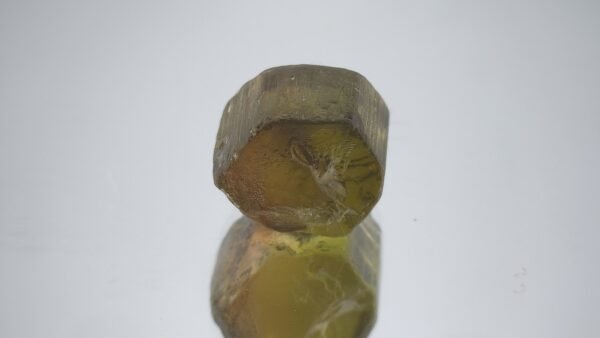
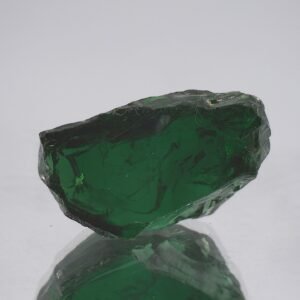
8.36CT Sunset Tourmaline Rough Evaluation
Geological Origins & Rarity
8.36CT Sunset Tourmaline Rough originates from a fascinating and complex geological process. Tourmalines, in general, are formed in pegmatites – late-stage magmatic rocks rich in volatile elements like boron, lithium, and fluorine. These elements are crucial for tourmaline’s formation, and their presence dictates the specific type and color of the resulting crystal. Sunset Tourmalines, known for their captivating pink to green color gradients, typically form in granitic pegmatites, often associated with lithium-rich environments. The specific location of origin significantly impacts the trace elements present, influencing the final hue.
The rarity of this particular 8.36CT Sunset Tourmaline Rough stems from the unique combination of geological conditions required for its creation. Not all pegmatites produce gem-quality tourmalines, and even fewer yield stones with such a desirable color zoning. The formation process requires a slow cooling rate allowing for the development of well-formed crystals, and a specific chemical ‘recipe’ to produce the sunset effect. This particular rough likely originated in a region known for its complex pegmatitic activity, perhaps Brazil, Nigeria, or Mozambique, each known for producing exceptional tourmalines. The size of the 8.36CT Sunset Tourmaline Rough also contributes to its rarity, as larger, clean stones are far less common than smaller ones.
Furthermore, the preservation of this rough in a condition suitable for faceting is a testament to its resilience through geological time. Erosion and weathering often destroy or damage crystals, so finding a piece of this size and clarity is truly exceptional. Analyzing inclusions within the 8.36CT Sunset Tourmaline Rough can even reveal clues about the specific environment in which it formed, providing valuable insights into the geological history of its origin.
Optical Physics & Color Saturation
The captivating color of the 8.36CT Sunset Tourmaline Rough is a result of a complex interplay of optical physics and the stone’s chemical composition. Tourmaline’s color isn’t due to a single element, but rather a combination of trace elements and structural defects within the crystal lattice. In Sunset Tourmalines, the pink hues are typically attributed to manganese (Mn3+), while the green shades are caused by iron (Fe2+). The beautiful gradient effect, the ‘sunset’ itself, arises from uneven distribution of these elements during the crystal’s growth.
The optical properties of the 8.36CT Sunset Tourmaline Rough are also noteworthy. Tourmaline is a highly pleochroic gemstone, meaning it exhibits different colors when viewed from different angles. This is due to the anisotropic nature of the crystal, where light interacts differently depending on its polarization and direction of travel. Skilled cutters utilize this pleochroism to maximize the brilliance and color display of the finished gem. The refractive index of tourmaline is relatively high, contributing to its sparkle and fire. The specific gravity of this 8.36CT Sunset Tourmaline Rough will fall within the typical range for tourmaline, influencing its weight and perceived density.
The saturation of color in this rough is a critical factor in determining its value. A deep, vibrant pink-green combination, with minimal muddiness or brown undertones, is highly sought after. Examining the rough under different lighting conditions will reveal the depth and intensity of the color. The clarity of the 8.36CT Sunset Tourmaline Rough also plays a vital role, as fewer inclusions mean more light can pass through the stone, enhancing its brilliance and color saturation. Understanding these optical physics principles is essential for maximizing the potential of this remarkable gemstone.
Master Cutter’s Bench Guide
Approaching the 8.36CT Sunset Tourmaline Rough on the master cutter’s bench requires a thoughtful and strategic plan. Before even touching a saw, a thorough examination of the rough is paramount. Carefully assess the color distribution, clarity, and potential for maximizing brilliance. The goal isn’t just to create a beautiful gem, but to preserve and enhance the unique ‘sunset’ effect within the 8.36CT Sunset Tourmaline Rough.
Given the dimensions of 10.60×9.91×8.12mm, a variety of cuts could be considered. An oval or pear shape would be excellent for showcasing the color zoning, while a cushion cut could provide a classic and elegant look. The cutter must consider the pleochroism of the stone and orient the facets to maximize the display of the most desirable colors. Pre-forming the rough with a dop stick and careful sawing is the first step, followed by grinding the basic outline of the desired shape. The cutter must constantly monitor the stone’s clarity and avoid cutting through any significant inclusions.
The faceting process itself demands precision and patience. Each facet must be carefully angled and polished to ensure optimal light return and brilliance. The cutter should pay particular attention to the pavilion facets, which are responsible for reflecting light back towards the viewer. For a stone like the 8.36CT Sunset Tourmaline Rough, a shallow pavilion can help to maximize the display of color. Final polishing with diamond paste will reveal the stone’s true beauty. Remember that every decision made on the cutting bench will dramatically impact the final value and aesthetic appeal of the finished gem. A well-cut 8.36CT Sunset Tourmaline Rough will be a testament to the cutter’s skill and artistry.
Investment & Yield Potential
The 8.36CT Sunset Tourmaline Rough represents not just a beautiful gemstone, but also a potential investment. While the gemstone market isn’t as liquid as stocks or bonds, rare and high-quality tourmalines have demonstrated consistent appreciation in value over time. The increasing demand for colored gemstones, particularly those with unique and captivating hues like the ‘sunset’ coloration of this 8.36CT Sunset Tourmaline Rough, drives up prices.
Several factors contribute to the investment potential of this particular piece. The size, at 8.36CT, is significant, making it suitable for a prominent center stone in a high-end jewelry piece. The clarity, as noted in the initial assessment, is promising, which greatly increases its value. The rarity of Sunset Tourmalines, combined with the desirable pink-green color zoning, makes it a highly collectible item. Once faceted, a skillfully cut gem from this 8.36CT Sunset Tourmaline Rough will command a premium price in the market.
Compared to diamonds, colored gemstones like tourmaline often offer a higher potential for appreciation. While diamonds are subject to more predictable pricing models, the value of colored gemstones is more closely tied to their individual characteristics – color, clarity, cut, and carat weight. The 8.36CT Sunset Tourmaline Rough, with its unique combination of these qualities, is poised for strong investment yield. However, it’s crucial to recognize that gemstone investment requires patience and a long-term perspective. Holding onto a beautifully faceted gem derived from this 8.36CT Sunset Tourmaline Rough for several years could yield substantial returns.
For a detailed breakdown of this variety, visit the GIA Gem Encyclopedia or explore our Lapidary Guide for professional 8.36CT Sunset Tourmaline Rough cutting tips.
Master Cutter’s Bench Note for 8.36CT Sunset Tourmaline Rough
Due to the potential for color zoning, pre-forming the rough with a slight bias towards the strongest color concentration will maximize the final gem’s visual impact. Consider using a scanning dop to accurately assess the internal color distribution before cutting.
Technical Specifications
- Weight: 8.36CT
- Dimensions: 10.60×9.91×8.12mm
- Focus Keyword: 8.36CT Sunset Tourmaline Rough
Reviews
There are no reviews yet.