Description
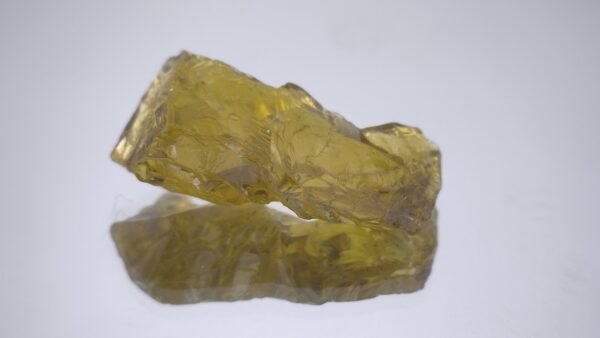
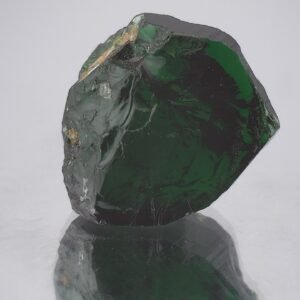
8.00CT Dravite Tourmaline Rough Evaluation
Geological Origins & Rarity
8.00CT Dravite Tourmaline Rough represents a fascinating intersection of geological processes and chemical composition. Dravite, a brown to black boron aluminum silicate, is a member of the Tourmaline group, specifically the Magnesium-rich Tourmaline series. Unlike its more famous cousins like Rubellite (red) or Paraíba (neon blue), Dravite forms under different metamorphic conditions. Typically, it’s found in magmatic-hydrothermal environments and metamorphic rocks, often associated with contact metamorphism where magma interacts with surrounding country rock.
The formation of Dravite requires the presence of magnesium, iron, boron, and aluminum, alongside other trace elements that contribute to subtle color variations within the brown spectrum. The specific geological setting, including pressure, temperature, and the fluid chemistry, dictates the crystal’s size, shape, and internal characteristics. Major sources of Dravite Tourmaline include Tanzania, Namibia, Sri Lanka, and Brazil, each locality yielding stones with slightly different characteristics. The 8.00CT Dravite Tourmaline Rough we are examining likely originated in a pegmatite vein, a coarse-grained igneous rock formed during the late stages of magma crystallization.
Rarity is a key factor in the appeal of Dravite. While Tourmaline as a whole is relatively common, gem-quality Dravite, particularly in larger sizes like this 8.00CT example, is less frequently encountered. The combination of size, clarity potential, and rich color makes this rough a genuinely special find. The internal features, like inclusions or zoning, tell a story of the stone’s journey from deep within the Earth, offering valuable insights to both collectors and gemologists. Understanding the geological context is crucial for appreciating the unique character of this particular 8.00CT Dravite Tourmaline Rough.
Optical Physics & Color Saturation
The optical physics of Dravite Tourmaline, and consequently the beauty of an 8.00CT Dravite Tourmaline Rough, are governed by its complex crystal structure and chemical composition. Tourmaline is known for its strong pleochroism, meaning it exhibits different colors when viewed from different angles. This is particularly pronounced in Dravite, contributing to the depth and richness of its brown hues. The color isn’t uniform; it arises from the absorption of certain wavelengths of light due to the presence of iron and magnesium within the crystal lattice.
Color saturation in an 8.00CT Dravite Tourmaline Rough is influenced by the concentration of these coloring agents, as well as the clarity of the stone. Fewer inclusions and a higher degree of transparency allow light to travel further within the gem, resulting in a more vibrant and intense color. Dravite typically displays shades ranging from a light honey-brown to a deep, almost black, brown. The refractive index of Dravite (around 1.617-1.654) contributes to its brilliance and sparkle when properly cut. This refractive index, combined with its dispersion, affects how light is bent and separated into its spectral colors, adding to its visual appeal.
Examining the 8.00CT Dravite Tourmaline Rough under polarized light can reveal fascinating details about its internal stress patterns and the orientation of its crystallographic axes. This information is invaluable for the cutter, helping them determine the optimal cutting angle to maximize brilliance and color. The stone’s specific gravity (approximately 3.77) is also a key physical property used for identification and quality assessment. Ultimately, the interplay of these optical properties determines the final aesthetic impact of a well-cut Dravite Tourmaline, transforming the 8.00CT Dravite Tourmaline Rough into a stunning gem.
Master Cutter’s Bench Guide
Approaching the cutter’s bench with an 8.00CT Dravite Tourmaline Rough requires a thoughtful and strategic plan. The first step is a thorough assessment of the rough’s inclusions, color zoning, and potential flaws. Careful planning is essential to maximize yield and preserve the most desirable color and clarity. Given the stone’s dimensions of 20.16×10.45×5.98mm, several cuts could be considered, but an oval, cushion, or pear shape would likely best showcase the material.
Dravite’s pleochroism must be carefully considered during orientation. The cutter needs to align the stone so that the most attractive color is visible when viewed face-up. Preforming the stone involves careful grinding to remove excess material and establish the basic outline of the desired shape. This is a critical stage, as any mistakes can significantly reduce the final gem’s size and value. The faceting process itself requires precision and patience. Dravite is relatively hard (7-7.5 on the Mohs scale), but its brittleness necessitates a gentle touch and the use of high-quality polishing laps.
When working with an 8.00CT Dravite Tourmaline Rough, it’s crucial to avoid excessive pressure or heat, which can cause fractures. The cutter must constantly monitor the stone for any signs of stress and adjust their technique accordingly. A final polish with diamond paste will reveal the gem’s true brilliance and color saturation. The goal is to create a gem that not only maximizes its visual appeal but also tells a story of its geological origins. The finished product, born from this 8.00CT Dravite Tourmaline Rough, should be a testament to the cutter’s skill and artistry. This 8.00CT Dravite Tourmaline Rough offers a unique challenge and rewarding opportunity for any experienced lapidary.
Investment & Yield Potential
Investing in a gem like an 8.00CT Dravite Tourmaline Rough is a venture into a tangible asset with both aesthetic and potential financial rewards. While Dravite Tourmaline isn’t as widely recognized as some of its more popular Tourmaline counterparts, its increasing rarity and unique appeal are driving up demand among collectors and gemstone enthusiasts. The value of a Dravite Tourmaline is determined by several factors, including its size, clarity, color saturation, and cut. An 8.00CT Dravite Tourmaline Rough, possessing good clarity and color potential, represents a significant investment opportunity.
Unlike stocks or bonds, gemstones are not subject to the same market volatility. While prices can fluctuate based on demand and supply, well-chosen gems tend to hold their value over time, and often appreciate in value, particularly those with exceptional characteristics. The yield from a well-cut 8.00CT Dravite Tourmaline Rough can be substantial, especially if the cutter maximizes brilliance and color. The finished gem can then be sold to collectors, jewelry designers, or through retail channels.
However, it’s important to approach gemstone investment with realistic expectations. Liquidity can be a concern, as finding a buyer may take time. It’s also crucial to verify the authenticity and quality of the stone through independent gemological certification. The 8.00CT Dravite Tourmaline Rough we’ve discussed, with its promising characteristics, presents a compelling option for investors seeking a unique and potentially lucrative addition to their portfolio. The long-term value of this 8.00CT Dravite Tourmaline Rough is tied to its inherent beauty and the increasing appreciation for less common gemstone varieties.
For a detailed breakdown of this variety, visit the GIA Gem Encyclopedia or explore our Lapidary Guide for professional 8.00CT Dravite Tourmaline Rough cutting tips.
Master Cutter’s Bench Note for 8.00CT Dravite Tourmaline Rough
When orienting this Dravite rough, carefully observe the pleochroism under cross-polarized light. A slight tilt can dramatically shift the dominant color, impacting the final gem’s brilliance.
Technical Specifications
- Weight: 8.00CT
- Dimensions: 20.16×10.45×5.98mm
- Focus Keyword: 8.00CT Dravite Tourmaline Rough
Reviews
There are no reviews yet.