
Description
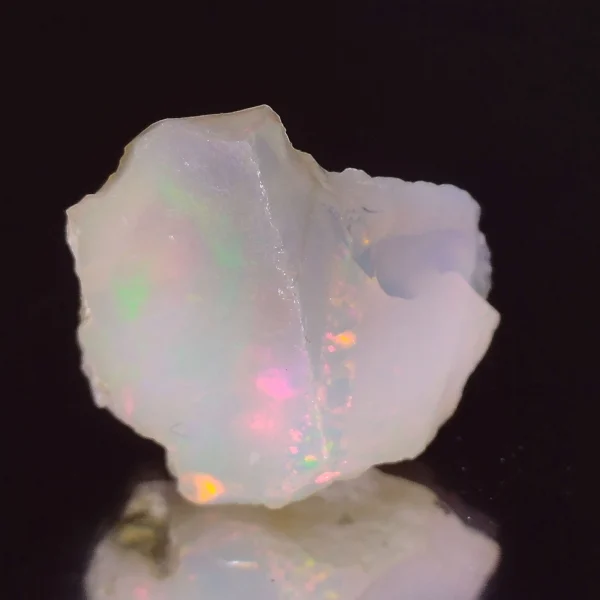
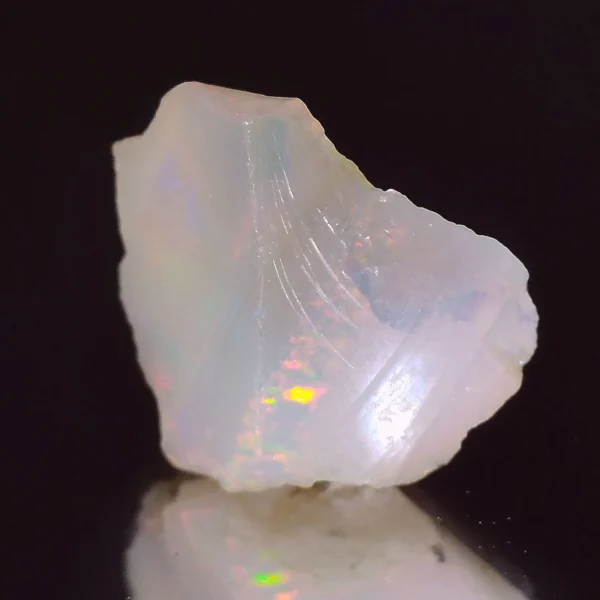
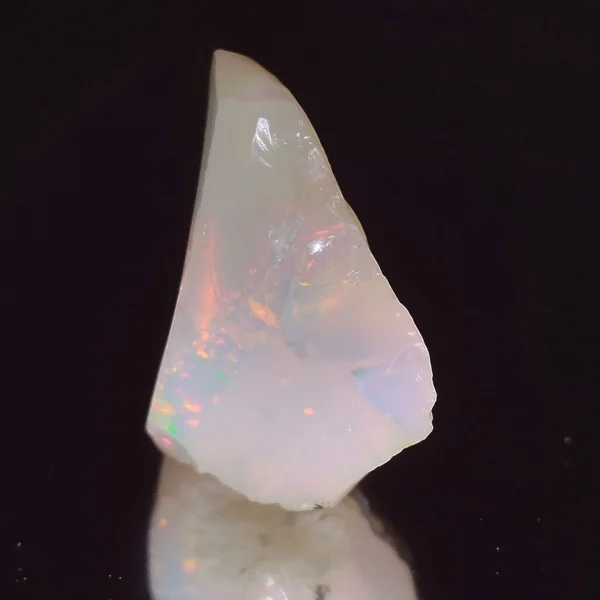
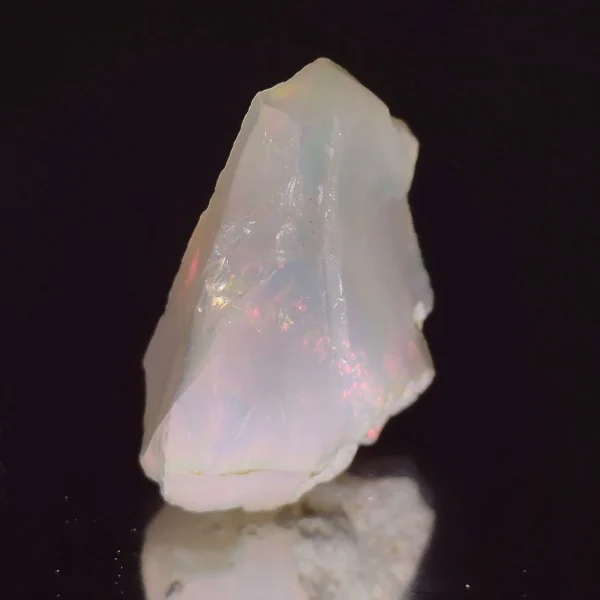
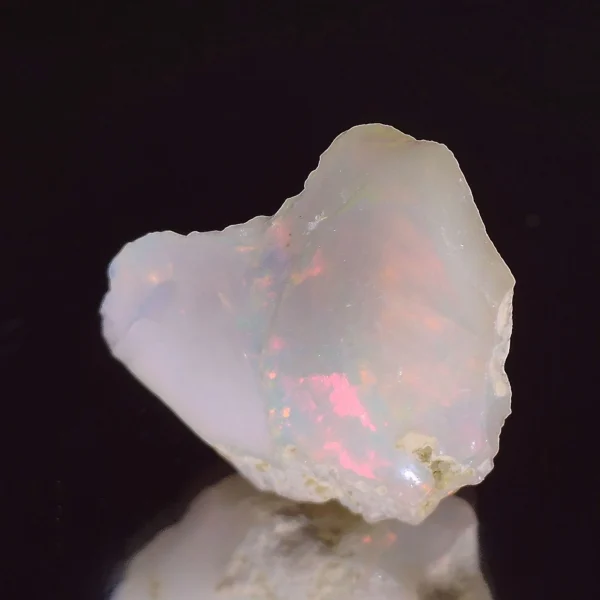
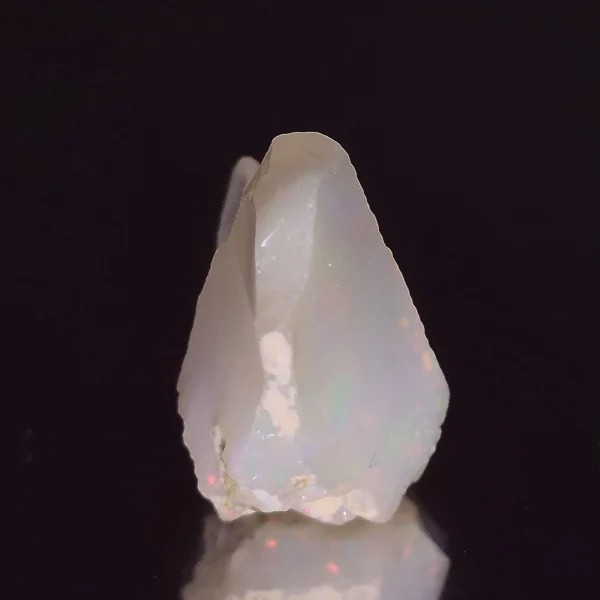
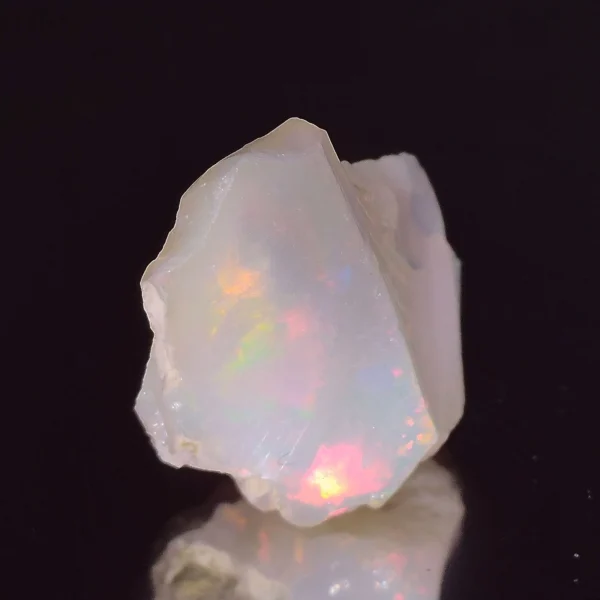
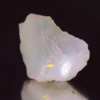
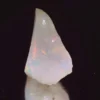
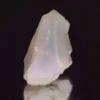
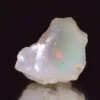
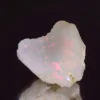
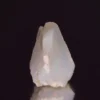
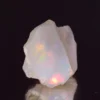
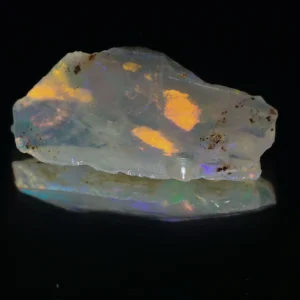
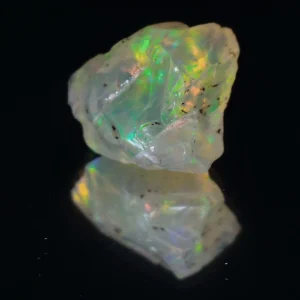
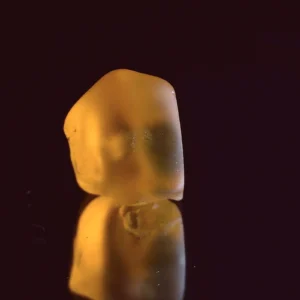
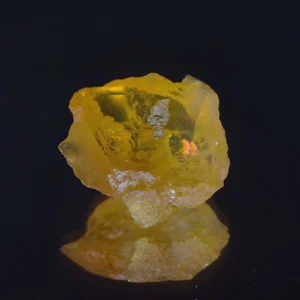
White body with pink, orange, green flashes sets off this 7.81ct ethiopian opal rough from Ethiopia. This stone is lightly included on the bottom right side. The 17.15×14.07×10.05mm outline suits cushion, trillion or emerald shapes. Host rock sits on the lower right edge in the second photo, so check that edge before you set the table.
Cutting Notes
Set the table on the face where the pink and orange flashes are strongest in the table view, which is the center-left area of the first photo. Keep the table away from the lower right edge, where the host rock sits. The outline is blocky enough for a cushion, trillion or emerald, so decide the shape before you choose the orientation. A trillion or emerald will follow the flatter faces, while a cushion gives you more room to move the table off the host rock.
Ethiopian opal contains water, so keep the rough cool and wet while you work. Heat, rapid drying or a sudden temperature change can cause crazing, and this is the main risk to plan around. Ethiopian opal is often hydrophane, so it can look clearer and lose play of color while wet, then return as it dries slowly. Judge the color only after it has dried back to normal. Keep oils, dyes and dirty water away from the stone. Opal has a hardness of 5.5 to 6.5 and no cleavage, and its critical angle is low, so body color and play of color matter more than brilliance.
Cutter’s tip: Set the table where the pink and orange flashes sit in the first photo, and mark the host rock on the lower right edge before you commit to the shape.
Every stone is filmed on video before it is listed, so what you see is the stone you get. For background on Ethiopian Opal, see the GIA Opal guide. Browse more Ethiopian Opal faceting rough from Jackson’s Gems.
New to cutting Opal? See the Lapidary Guide.
Reviews
There are no reviews yet.