Description
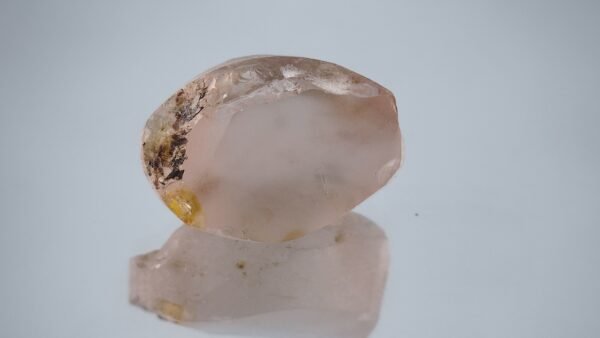
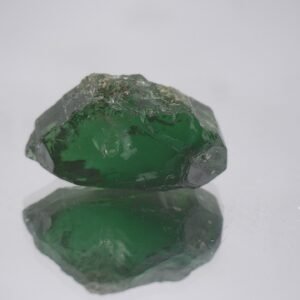
7.59CT Pink Tourmaline Rough Evaluation
Geological Origins & Rarity
7.59CT Pink Tourmaline Rough originates from a fascinating geological history, typically forming within granite pegmatites. These pegmatites, the last parts of a magma to crystallize, are rich in rare elements like lithium, boron, and manganese – crucial components in the creation of tourmaline’s vibrant colors. The specific pink hues, like those seen in this particular specimen, are often linked to the presence of manganese.
Tourmaline formation isn’t a simple process. It requires the right combination of chemical elements, high temperatures, and slow cooling. The 7.59CT Pink Tourmaline Rough’s origin likely involved hydrothermal fluids circulating through these pegmatitic rocks, depositing the necessary elements into cavities and fractures. The crystal’s growth is also influenced by factors like pressure and the availability of space, resulting in the unique shape and internal characteristics we observe. The rarity of gem-quality pink tourmaline stems from the relatively infrequent occurrence of these specific geological conditions, making each stone a unique product of Earth’s processes.
Brazil and Nigeria are prominent sources for pink tourmaline, although deposits can also be found in Madagascar, Afghanistan, and the United States. The specific locality can influence the intensity and shade of the pink color, and subtle differences in trace element composition. Evaluating the rough’s origin can provide clues about its potential color saturation and clarity after cutting. The 7.59CT Pink Tourmaline Rough, with its promising structure, is a testament to these complex geological forces.
Optical Physics & Color Saturation
The optical physics of tourmaline are complex and contribute significantly to its beauty. Tourmaline is a trichroic gemstone, meaning it exhibits three different colors when viewed from different angles. This phenomenon arises from the way the crystal absorbs light, a direct result of its chemical composition and crystal structure. The 7.59CT Pink Tourmaline Rough, even in its uncut state, displays the potential for this trichroism, hinting at the vibrant play of color that can be unlocked through skillful faceting.
Color saturation in pink tourmaline, and therefore the value of a stone like this 7.59CT Pink Tourmaline Rough, is heavily influenced by the concentration of manganese. Higher manganese content generally leads to more intense pinks. However, the interplay between manganese and iron is crucial; too much iron can result in a brownish or purplish undertone, diminishing the stone’s desirability. The rough’s internal structure, including inclusions and fractures, also affect light transmission and color appearance.
Tourmaline boasts a high refractive index, which contributes to its brilliance and fire. This means that light bends significantly as it enters the stone, creating internal reflections that give it a sparkling appearance. The 7.59CT Pink Tourmaline Rough’s clarity and potential for a well-executed cut are key to maximizing this brilliance. Understanding the principles of light interaction within the stone is paramount for a cutter aiming to reveal the full potential of this exceptional gem. The dispersion, or “fire,” of a gemstone refers to its ability to separate white light into its spectral colors. Tourmaline exhibits moderate dispersion, adding another layer of visual appeal.
Master Cutter’s Bench Guide
Approaching the master cutter’s bench with a 7.59CT Pink Tourmaline Rough requires careful planning and a deep understanding of the material. The first step is a thorough examination of the rough to identify the optimal orientation for cutting. This involves considering the crystal’s pleochroism – its differing colors when viewed from various angles – and aligning the cut to maximize the most desirable hue. The 13.3×9.84×7.2mm dimensions of this rough provide a generous canvas for a stunning finished gem, but careful planning is crucial to avoid unnecessary weight loss.
Given the potential for trichroism in pink tourmaline, the cutter must decide which color to emphasize. Often, the goal is to orient the stone so that the most vibrant pink is visible when looking through the table. This requires a keen eye and precise angle adjustments. The rough’s inclusions and natural features should also be carefully mapped to determine how they can be minimized or even incorporated into the design. A well-placed inclusion can sometimes add character to a stone, but it’s essential to avoid compromising its structural integrity.
For a 7.59CT Pink Tourmaline Rough of this quality, a brilliant cut, such as a round or oval, is often preferred to maximize sparkle and fire. However, other cuts, like cushions or emerald cuts, can also be effective, depending on the cutter’s artistic vision and the rough’s specific characteristics. Precision is paramount throughout the cutting process, as even a slight error can significantly impact the stone’s brilliance and value. The cutter must also consider the proportions of the finished stone, ensuring that it meets industry standards for beauty and durability. The potential yield from this 7.59CT Pink Tourmaline Rough is excellent, but only with meticulous craftsmanship.
Investment & Yield Potential
Investing in a gemstone like the 7.59CT Pink Tourmaline Rough is a unique proposition, blending aesthetic appreciation with potential financial gain. Unlike diamonds, which have a more established and liquid market, colored gemstones require a discerning eye and a long-term perspective. The value of a pink tourmaline is determined by several factors, including color, clarity, cut, carat weight, and origin. The 7.59CT Pink Tourmaline Rough, with its promising characteristics, represents a potential opportunity for a significant return on investment.
The demand for high-quality pink tourmaline has been steadily increasing in recent years, driven by its rarity and growing popularity among collectors and designers. As the supply of gem-quality rough diminishes, prices are likely to continue to rise. However, it’s important to note that the market for colored gemstones can be volatile, and prices can fluctuate based on economic conditions and fashion trends. A skillfully cut gem derived from this 7.59CT Pink Tourmaline Rough will command a premium price.
The ultimate yield and quality of the finished gemstone will have a substantial impact on its value. A well-cut stone with excellent clarity and color saturation will be far more valuable than a poorly cut or flawed specimen. Therefore, it’s crucial to work with a skilled lapidary artist who can maximize the stone’s potential. The 7.59CT Pink Tourmaline Rough is not simply a commodity; it’s a piece of art with intrinsic beauty and a potential for appreciation. While not a guaranteed investment, it offers a compelling alternative for those seeking to diversify their portfolios with tangible assets. Considering the rarity and beauty, the 7.59CT Pink Tourmaline Rough is an excellent addition to any gemstone collection.
For a detailed breakdown of this variety, visit the GIA Gem Encyclopedia or explore our Lapidary Guide for professional 7.59CT Pink Tourmaline Rough cutting tips.
Master Cutter’s Bench Note for 7.59CT Pink Tourmaline Rough
When pre-forming this rough, be mindful of a subtle grain direction. Gentle pressure and appropriate blade selection are vital to prevent chipping during the initial stages of shaping.
Technical Specifications
- Weight: 7.59CT
- Dimensions: 13.3×9.84×7.2mm
- Focus Keyword: 7.59CT Pink Tourmaline Rough
Reviews
There are no reviews yet.