Description
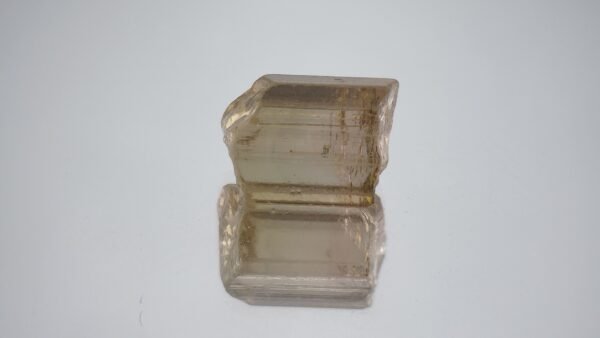
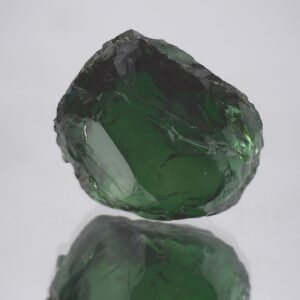
7.50CT Sunset Tourmaline Rough Evaluation
Geological Origins & Rarity
7.50CT Sunset Tourmaline Rough originates from a fascinating geological history, primarily found in Brazil, Nigeria, and Madagascar. These locations boast the granitic pegmatites that are crucial for tourmaline formation. The vibrant pink to peach hues characteristic of Sunset Tourmaline are caused by traces of manganese and iron within the elbaite crystal structure, a sodium-rich tourmaline. These elements are introduced during the hydrothermal processes within the pegmatites, where molten rock cools and crystallizes.
The rarity of fine Sunset Tourmaline stems from the specific geochemical conditions required for its formation. Not only must the right elements be present, but also the temperature, pressure, and fluid chemistry must be precisely balanced. Finding a 7.50CT Sunset Tourmaline Rough with excellent clarity and potential for a large, brilliant cut is exceptionally uncommon. The pegmatites themselves are relatively infrequent geological features, and even within those, pockets containing gem-quality tourmaline are scarce. This particular rough, with its promising form, likely represents a significant find.
The geological journey doesn’t end with formation. Erosion and weathering processes expose these pegmatites, and subsequent alluvial action concentrates the tourmaline crystals in riverbeds and gravel deposits. This is often where gem hunters discover these treasures. Understanding the geological context of a 7.50CT Sunset Tourmaline Rough adds to its intrinsic value, highlighting the millions of years of natural processes that culminated in its creation.
Optical Physics & Color Saturation
The optical physics of 7.50CT Sunset Tourmaline Rough are remarkably complex, contributing to its captivating beauty. Tourmaline is a pleochroic gemstone, meaning it exhibits different colors when viewed from different angles. This is due to the varying absorption of light along its crystallographic axes. Sunset Tourmaline, with its pink and peach tones, displays subtle pleochroism that a skilled cutter can utilize to maximize color display in the finished gem.
Color saturation in a 7.50CT Sunset Tourmaline Rough is directly related to the concentration of manganese and iron ions within the crystal lattice. Higher concentrations generally result in more intense color. However, the arrangement of these ions also plays a crucial role. A uniform distribution of color-causing elements is desirable, ensuring even saturation throughout the stone. This particular rough appears to have a pleasing, even coloration, suggesting a high-quality finished product. The refractive index of tourmaline is relatively high (around 1.614 to 1.666), contributing to its brilliance and sparkle.
Furthermore, tourmaline exhibits strong double refraction, meaning that light entering the crystal is split into two rays traveling at different speeds. This phenomenon can create a slight doubling of facet junctions when viewing the stone through the pavilion, a characteristic that cutters must account for during the faceting process. Analyzing the rough with a refractometer and dichroscope will reveal valuable information about its optical properties, guiding the cutter in achieving optimal brilliance and color saturation from this 7.50CT Sunset Tourmaline Rough.
Master Cutter’s Bench Guide
Approaching a 7.50CT Sunset Tourmaline Rough on the master cutter’s bench requires careful planning and execution. First, a thorough examination of the rough is paramount. Assess the clarity, color distribution, and potential inclusions. The dimensions of 11.26×8.20×7.35mm suggest a substantial finished stone, but maximizing yield requires a strategic cut plan. A pre-forming stage, using a dop and saw, is essential to remove excess material and establish the basic outline of the gem.
The choice of cut is crucial. Oval, cushion, and pear shapes are popular choices for Sunset Tourmaline, allowing for excellent brilliance and color display. However, a cutter might also consider more unconventional cuts to highlight the unique characteristics of this particular rough. During faceting, maintaining symmetry and precise angles is vital. Tourmaline’s pleochroism should be considered; orienting the table to display the most desirable color is a hallmark of a skilled cutter. Polishing each facet to a mirror finish is essential to unlock the stone’s inherent brilliance.
The cutter must also be mindful of potential challenges, such as cleavage planes. Tourmaline has good cleavage in one direction, meaning it can split along specific planes if struck improperly. Careful dop placement and gentle pressure are essential to avoid damage. Successfully transforming a 7.50CT Sunset Tourmaline Rough into a finished gem is a testament to the cutter’s skill, patience, and artistry. It’s a process that demands precision, creativity, and a deep understanding of gemological principles, ensuring a beautiful and valuable final product. This 7.50CT Sunset Tourmaline Rough presents a rewarding challenge for even the most experienced lapidary artist.
Investment & Yield Potential
Investment in a 7.50CT Sunset Tourmaline Rough, while requiring the additional cost of faceting, offers significant potential for yield. Fine-quality, vividly colored tourmalines are increasingly sought after by collectors and jewelry enthusiasts. The demand for unique and rare gemstones continues to rise, driving up prices for exceptional specimens. The rarity of a 7.50CT Sunset Tourmaline Rough with good clarity and color saturation contributes to its investment appeal.
The finished gemstone’s value will depend on several factors, including the cut, polish, clarity, and color intensity. A well-cut stone, maximizing brilliance and color display, will command a higher price. The investment isn’t merely in the carat weight but in the overall quality and artistry of the finished gem. Compared to diamonds, colored gemstones like Sunset Tourmaline often present a more accessible entry point for gemstone investment.
Furthermore, the increasing popularity of ethical and sustainable sourcing practices enhances the value of responsibly mined gemstones. A 7.50CT Sunset Tourmaline Rough, if traceable to a reputable source, can attract a premium from buyers who prioritize ethical considerations. While market fluctuations are always a factor, the enduring appeal of rare and beautiful gemstones like Sunset Tourmaline suggests a strong long-term investment potential, particularly for a well-faceted and captivating finished piece originating from this 7.50CT Sunset Tourmaline Rough.
For a detailed breakdown of this variety, visit the GIA Gem Encyclopedia or explore our Lapidary Guide for professional 7.50CT Sunset Tourmaline Rough cutting tips.
Master Cutter’s Bench Note for 7.50CT Sunset Tourmaline Rough
Due to potential cleavage, pre-form slowly and use a generous amount of lubrication during sawing. Monitor stress points carefully.
Technical Specifications
- Weight: 7.50CT
- Dimensions: 11.26×8.20×7.35mm
- Focus Keyword: 7.50CT Sunset Tourmaline Rough
Reviews
There are no reviews yet.