Description
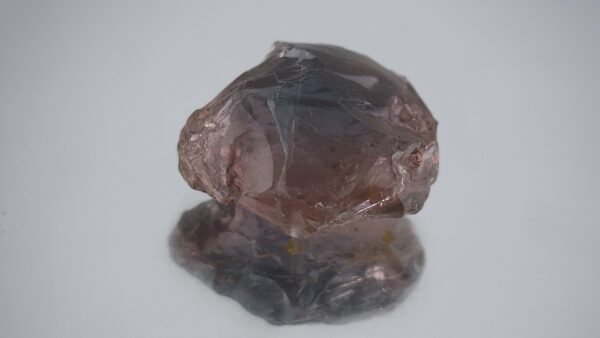
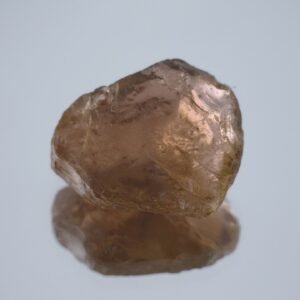
7.35CT Bi-Color Tourmaline Rough Evaluation
Geological Origins & Rarity
7.35CT Bi-Color Tourmaline Rough originates from a fascinating geological story, typically forming within pegmatite dikes – coarse-grained igneous intrusions. These dikes are rich in volatile elements like boron, lithium, and fluorine, crucial for tourmaline formation. The specific bi-coloration seen in this particular rough, a captivating blend of pink and blue, is often linked to variations in iron and manganese content during the crystallization process. The precise combination and zoning of these elements, influenced by temperature and pressure gradients within the pegmatite, create the distinct color bands.
Tourmaline is not found in just any location; it demands specific geological conditions. Major sources include Brazil, Nigeria, Afghanistan, Mozambique, and Sri Lanka. The rarity of bi-color tourmalines, especially those with well-defined and vibrant color zoning, makes a 7.35CT Bi-Color Tourmaline Rough like this one highly sought after by collectors and lapidaries. The formation process itself is slow, requiring millions of years and a unique confluence of geological events. This slow growth contributes to the inherent value and desirability of these gems. The rough’s origin significantly impacts its characteristics, with different localities producing tourmalines with varying saturation and clarity. Understanding the geological context helps appreciate the journey this 7.35CT Bi-Color Tourmaline Rough has undertaken.
Furthermore, the presence of inclusions, even minor ones, can be a fingerprint of the stone’s origin and formation history, adding to its unique character. This particular rough, measuring 13.8×12.12×7.32mm, represents a concentrated pocket of geological time and elemental interplay.
Optical Physics & Color Saturation
The optical physics governing the beauty of a 7.35CT Bi-Color Tourmaline Rough are complex and fascinating. Tourmaline is a highly pleochroic gemstone, meaning it exhibits different colors when viewed from different angles. This is due to the anisotropic nature of its crystal structure, causing light to be absorbed and refracted differently depending on its polarization and direction of travel. The bi-coloration within this 7.35CT Bi-Color Tourmaline Rough amplifies this effect, creating a dynamic interplay of pink and blue hues as light interacts with the stone.
The saturation of color in tourmaline is determined by the concentration of coloring ions—primarily iron and manganese in this case. The pink hues are typically associated with manganese, while the blue tones stem from iron. The intensity of these colors is further influenced by the stone’s chemical composition and crystal structure. The clarity of the 7.35CT Bi-Color Tourmaline Rough also plays a crucial role; fewer inclusions allow for greater light transmission and more vibrant color display. The refractive index of tourmaline is relatively high (around 1.62 to 1.66), contributing to its brilliance and sparkle once faceted. This is why careful cutting is paramount to maximize light return.
Moreover, tourmaline exhibits strong double refraction, meaning a single ray of light splits into two rays as it enters the gem. This can affect the appearance of facets and the overall brilliance, demanding a skilled cutter who understands how to manage this phenomenon. The specific arrangement of color zoning within the 7.35CT Bi-Color Tourmaline Rough, combined with its pleochroism and double refraction, presents a unique challenge and opportunity for the lapidary artist to unlock its full optical potential. A well-cut gem will exhibit exceptional fire and brilliance, showcasing the captivating color contrast to its fullest extent.
Master Cutter’s Bench Guide
Approaching the cutter’s bench with a 7.35CT Bi-Color Tourmaline Rough demands careful planning and a deep understanding of the material. The initial assessment should focus on identifying the strongest color zones and the most appealing visual direction. Given the dimensions of 13.8×12.12×7.32mm, a well-proportioned oval or cushion cut would likely maximize yield and brilliance. However, the unique bi-coloration opens the door to more creative designs, such as a modified brilliant cut specifically designed to highlight the color contrast.
Before even touching the dop stick, a thorough examination of the rough is crucial to identify any internal fractures or inclusions that might influence the cutting process. Precise mapping of these features will prevent unnecessary material loss and potential breakage. The angle of the color zoning is also critical; the cutter must orient the rough to ensure the most desirable colors are prominently displayed in the finished gem. The 7.35CT Bi-Color Tourmaline Rough’s pleochroism must be considered; orienting the table to maximize the preferred color is paramount.
During faceting, maintaining symmetry and precision is essential. The cutter should employ a smooth, controlled approach, gradually shaping the stone and refining the facets to achieve optimal light return. Polishing should be done with extreme care to avoid scratching or damaging the surface. Ultimately, the goal is to transform this 7.35CT Bi-Color Tourmaline Rough into a gem that showcases its unique beauty and maximizes its value. A successful cut will not only reveal the vibrant colors but also enhance the stone’s overall brilliance and fire. This 7.35CT Bi-Color Tourmaline Rough deserves a cut that reflects its inherent quality and rarity.
Investment & Yield Potential
Investing in a 7.35CT Bi-Color Tourmaline Rough, while requiring the additional cost of cutting and polishing, offers a unique potential for yield and appreciation. Fine bi-color tourmalines are increasingly sought after by collectors and jewelry enthusiasts, driving up their value over time. The rarity of well-colored and well-zoned specimens, like this 7.35CT Bi-Color Tourmaline Rough, contributes significantly to its investment potential. The market for colored gemstones, especially those with unique characteristics, has been steadily growing, making tourmaline a particularly attractive option for discerning investors.
The value of the finished gem will depend on several factors, including the quality of the cut, the clarity, the saturation of the colors, and the overall brilliance. A skillfully cut 7.35CT Bi-Color Tourmaline could command a significantly higher price than the initial cost of the rough. Furthermore, the growing demand for ethically sourced gemstones adds another layer of value, especially if the origin of the rough can be verified. The 7.35CT Bi-Color Tourmaline Rough’s dimensions, 13.8×12.12×7.32mm, suggest a potentially substantial finished stone.
Compared to diamonds, colored gemstones like tourmaline often offer a more accessible entry point for investors. While diamonds remain a dominant force in the gem market, the increasing appreciation for the diversity and beauty of colored stones is creating new opportunities for growth. The 7.35CT Bi-Color Tourmaline Rough, with its captivating color combination and potential for brilliance, represents a compelling investment for those seeking a unique and potentially rewarding addition to their portfolio. This isn’t just a gemstone; it’s a piece of geological artistry with appreciating value.
For a detailed breakdown of this variety, visit the GIA Gem Encyclopedia or explore our Lapidary Guide for professional 7.35CT Bi-Color Tourmaline Rough cutting tips.
Master Cutter’s Bench Note for 7.35CT Bi-Color Tourmaline Rough
When pre-forming, focus on a slight “windowing” effect to allow maximum light transmission through the bi-color zones. Don’t be afraid to sacrifice a tiny bit of weight for superior color display.
Technical Specifications
- Weight: 7.35CT
- Dimensions: 13.8×12.12×7.32mm
- Focus Keyword: 7.35CT Bi-Color Tourmaline Rough
Reviews
There are no reviews yet.