Description
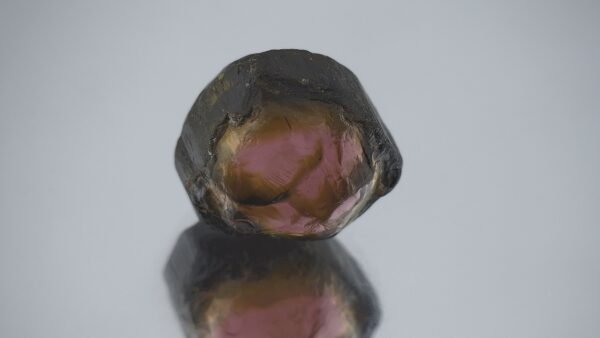
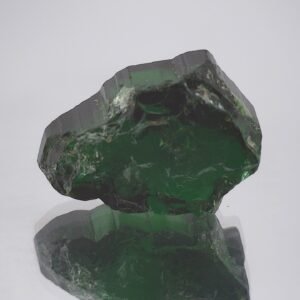
7.21CT Pink Tourmaline Rough Evaluation
Geological Origins & Rarity
7.21CT Pink Tourmaline Rough originates from a fascinating geological history, primarily forming within granitic pegmatites. These are coarse-grained igneous rocks formed during the late stages of magma crystallization. The presence of lithium-rich fluids during this process is crucial for tourmaline formation. Pink tourmaline, specifically, derives its color from trace amounts of manganese and iron, with the intensity of the pink hue directly related to the concentration of these elements. The specific geological environment where this 7.21CT Pink Tourmaline Rough was formed likely involved a complex interplay of temperature, pressure, and fluid chemistry, leading to the development of a crystal with its unique characteristics.
Tourmaline’s inherent pleochroism, the ability to display different colors when viewed from different angles, is a direct result of its complex chemical composition and crystal structure. The rarity of gem-quality pink tourmaline rough, like this 7.21CT specimen, is due to the specific conditions required for its formation – a precise balance of elements and a stable geological environment. Most tourmaline rough contains inclusions or is too heavily colored, making this piece a comparatively scarce find. The rough’s potential for a clean, vibrant gem is significantly enhanced by its origin and inherent quality.
Finding a 7.21CT Pink Tourmaline Rough of this clarity and potential is a testament to the careful sourcing and quality control employed. Pegmatites often yield a variety of tourmaline colors, but vibrant, saturated pinks are comparatively less common. This makes the 7.21CT Pink Tourmaline Rough a particularly desirable piece for both collectors and lapidary artists seeking a unique and beautiful gemstone.
Optical Physics & Color Saturation
The optical physics of tourmaline, and specifically a 7.21CT Pink Tourmaline Rough, are dictated by its trigonal crystal system. This system results in strong double refraction (birefringence), meaning light entering the stone is split into two rays traveling at different speeds. This phenomenon is crucial for understanding how light will interact with the cut gem and contribute to its brilliance and fire. The refractive index of tourmaline varies depending on the color and composition, but it’s generally high, contributing to its ability to reflect light effectively.
Color saturation in a 7.21CT Pink Tourmaline Rough is determined by the concentration of coloring agents – primarily manganese and iron – and how these elements interact with the stone’s crystal lattice. The interplay between these elements and the stone’s chemistry creates the specific shade of pink. Higher concentrations generally lead to deeper, more saturated colors. However, the arrangement of these elements and the presence of other trace minerals can also significantly influence the final color. A skilled cutter will consider these factors when orienting the rough to maximize the color intensity in the finished gem.
Furthermore, the 7.21CT Pink Tourmaline Rough exhibits a strong trichroism, meaning it shows three different colors when viewed along different crystallographic axes. Understanding this trichroism is vital during the cutting process to orient the stone in a way that maximizes the desired pink hue and minimizes any undesirable secondary colors. The rough’s dimensions, 11.05×10.57×8.21mm, will affect how light passes through the stone and the resulting color display. This 7.21CT Pink Tourmaline Rough offers a unique opportunity to explore and enhance these optical properties.
Master Cutter’s Bench Guide
Approaching the master cutter’s bench with a 7.21CT Pink Tourmaline Rough requires a meticulous plan. First, a thorough examination of the rough is essential, utilizing a strong light source and a loupe to identify inclusions, color zoning, and the most promising cutting direction. The goal is to maximize both carat weight and brilliance, while simultaneously enhancing the pink color saturation. A pre-forming stage, using a diamond saw, is crucial to remove excess material and establish the basic outline of the intended gem shape.
When faceting a 7.21CT Pink Tourmaline Rough, the cutter must account for the stone’s strong pleochroism and trichroism. Careful orientation is paramount to ensure that the most desirable pink color is displayed when the gem is viewed face-up. This often involves sacrificing some carat weight to achieve the optimal color and brilliance. Popular cuts for pink tourmaline include oval, cushion, and radiant cuts, which effectively showcase the stone’s color and fire. The 7.21CT Pink Tourmaline Rough’s dimensions dictate the potential for certain cuts; a well-executed cut will maximize light return and minimize light leakage.
The final polishing stages require extreme precision and patience. Using progressively finer polishing laps, the cutter will bring the gem to a mirror-like finish, revealing its true beauty. Throughout the entire process, maintaining a consistent angle and pressure is vital to avoid chipping or damaging the stone. A finished gem from this 7.21CT Pink Tourmaline Rough, expertly cut, will be a stunning testament to the lapidary artist’s skill. The potential of this 7.21CT Pink Tourmaline Rough is truly remarkable. This 7.21CT Pink Tourmaline Rough is a project that demands expertise and attention to detail.
Investment & Yield Potential
Investment-grade colored gemstones, like this 7.21CT Pink Tourmaline Rough, are increasingly recognized as viable alternatives to traditional investments. While the market can fluctuate, high-quality, vibrant pink tourmalines are consistently sought after by collectors and jewelry designers. The rarity of gem-quality pink tourmaline, coupled with its increasing popularity, contributes to its potential for appreciation in value. The 7.21CT Pink Tourmaline Rough, with its promising characteristics, offers a unique opportunity to participate in this growing market.
The yield potential of a 7.21CT Pink Tourmaline Rough is heavily dependent on the skill of the cutter and the quality of the rough itself. A skilled lapidary can often maximize the carat weight of the finished gem while maintaining excellent brilliance and color. A well-cut pink tourmaline of significant size and exceptional clarity can command a premium price in the market. The initial investment in the 7.21CT Pink Tourmaline Rough is therefore likely to be recouped, and potentially exceeded, upon the sale of the finished gemstone.
However, it’s crucial to remember that gemstone investment is not without risk. Market trends can change, and the value of a gemstone can be influenced by factors such as color, clarity, cut, and size. Nevertheless, a 7.21CT Pink Tourmaline Rough of this quality represents a compelling investment opportunity for those with a discerning eye and a long-term perspective. The finished gem from this 7.21CT Pink Tourmaline Rough will be a beautiful and potentially lucrative addition to any collection. The inherent value of a 7.21CT Pink Tourmaline Rough increases with a skilled cut.
For a detailed breakdown of this variety, visit the GIA Gem Encyclopedia or explore our Lapidary Guide for professional 7.21CT Pink Tourmaline Rough cutting tips.
Master Cutter’s Bench Note for 7.21CT Pink Tourmaline Rough
Due to the potential for internal stress fractures in tourmaline, pre-forming should be done slowly and with ample lubrication. Monitor for any signs of stress and adjust the cutting speed accordingly.
Technical Specifications
- Weight: 7.21CT
- Dimensions: 11.05×10.57×8.21mm
- Focus Keyword: 7.21CT Pink Tourmaline Rough
Reviews
There are no reviews yet.