Description
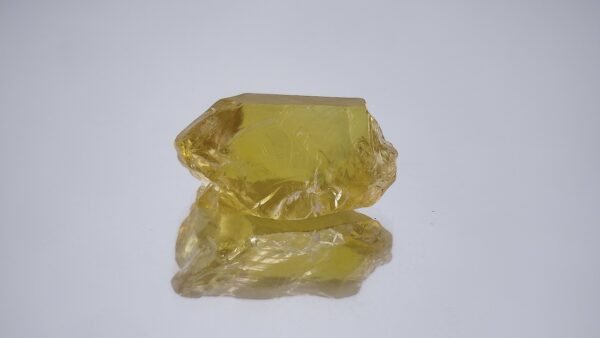
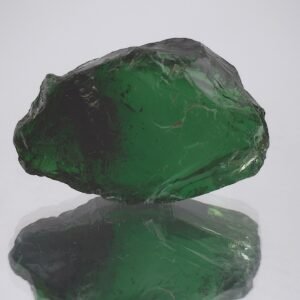
7.06CT Sunset Tourmaline Rough Evaluation
Geological Origins & Rarity
7.06CT Sunset Tourmaline Rough originates from a fascinating geological process, primarily forming within granitic magmas and pegmatites. These aren’t just any rocks; they represent the late-stage crystallization of molten material rich in elements like lithium, boron, and aluminum – the crucial ingredients for tourmaline formation. The ‘Sunset’ color, a captivating golden hue, is attributed to the presence of manganese and iron, subtly altering the stone’s composition during crystallization. These trace elements are not evenly distributed, contributing to the unique color zoning often seen in these tourmalines.
The specific locality significantly impacts the quality and characteristics of the 7.06CT Sunset Tourmaline Rough. While tourmalines are found globally, particularly vibrant and clean specimens often hail from Brazil, Nigeria, and Afghanistan. The pegmatites in these regions, formed during specific tectonic events, provide the ideal environment for large, well-formed crystals to develop. The rarity of such well-defined, sizable rough pieces like this 7.06CT example is due to the confluence of these geological factors – the right chemical environment, adequate space for crystal growth, and minimal fracturing or inclusions during the cooling process. Finding a piece of this caliber requires dedicated prospecting and a keen eye for quality.
Tourmaline itself is a complex borosilicate mineral, belonging to the cyclosilicate class. This structural complexity contributes to its exceptional pleochroism and refractive properties, making it a highly sought-after gemstone. The inherent geological history embedded within the 7.06CT Sunset Tourmaline Rough is a testament to the Earth’s powerful forces and the beauty they can create.
Optical Physics & Color Saturation
The captivating color of the 7.06CT Sunset Tourmaline Rough isn’t simply a surface phenomenon; it’s deeply rooted in the stone’s optical physics. Tourmaline’s color is derived from a combination of its chemical composition and how it interacts with light. The manganese and iron within the crystal lattice absorb certain wavelengths of light while transmitting others, resulting in the golden ‘Sunset’ hue. The intensity of this color, known as saturation, is influenced by the concentration and distribution of these coloring agents.
This particular 7.06CT Sunset Tourmaline Rough exhibits excellent potential for a vibrant finished gem due to its clarity and color concentration. Tourmaline is strongly pleochroic, meaning it displays different colors when viewed from different angles. This property is a result of the anisotropic nature of the crystal structure, causing light to be absorbed and refracted differently depending on its polarization and direction. Understanding pleochroism is crucial for a cutter, as it dictates how the stone should be oriented to maximize color display. The refractive index of tourmaline is relatively high (typically around 1.614 to 1.666), contributing to its brilliance and fire. This means light bends significantly as it enters the stone, enhancing its sparkle.
Furthermore, the dispersion of tourmaline is moderate, creating flashes of color (fire) when light is dispersed. The 7.06CT Sunset Tourmaline Rough’s dimensions, 15.96×8.44×6.42mm, suggest a good length-to-width ratio for maximizing brilliance when faceted. The clarity of the rough also plays a vital role; fewer inclusions mean more light can pass through the stone, resulting in a brighter and more vibrant finished gem. Analyzing these physical properties is fundamental to unlocking the full potential of the 7.06CT Sunset Tourmaline Rough.
Master Cutter’s Bench Guide
Approaching the 7.06CT Sunset Tourmaline Rough on the master cutter’s bench requires careful planning and execution. Initial assessment should focus on identifying the optimal orientation to maximize color and minimize inclusions. Given the pleochroism inherent in tourmaline, the cutter must determine which color is most desirable and align the stone accordingly. A thorough inspection under magnification reveals internal features like fractures, stress points, and color zoning, informing the cutting strategy.
The dimensions of the 7.06CT Sunset Tourmaline Rough (15.96×8.44×6.42mm) suggest a variety of potential cuts, from classic ovals and rounds to more contemporary shapes like trillion or pear. However, the cutter must prioritize retaining weight while achieving optimal brilliance. A pre-form is often used to establish the basic shape and remove excess material before moving to the final faceting stages. The choice of lapidary equipment – whether a traditional polishing wheel or a high-speed faceting machine – impacts the precision and efficiency of the process.
For a 7.06CT Sunset Tourmaline Rough exhibiting a strong color, a brilliant cut with numerous facets is ideal for maximizing light return and fire. The cutter should pay close attention to pavilion angles and crown heights to ensure that light is internally reflected and refracted, creating a dazzling display. Polishing is the final crucial step, requiring meticulous attention to detail to achieve a flawless finish. The goal is not just to create a beautiful gemstone but to reveal the inherent beauty and potential of the 7.06CT Sunset Tourmaline Rough, transforming it into a captivating work of art. Proper planning and skill will ensure this 7.06CT Sunset Tourmaline Rough is transformed into a stunning gem.
Investment & Yield Potential
Investing in a 7.06CT Sunset Tourmaline Rough, while requiring an additional step of faceting, presents a unique opportunity for potential yield. Compared to finished gemstones, rough stones often carry a lower initial price point, offering a potential margin for profit. However, the ultimate value hinges on the cutter’s skill and the quality of the finished gem. The rarity of ‘Sunset’ Tourmaline, particularly in sizable, clean rough pieces like this 7.06CT example, contributes to its investment appeal.
The demand for colored gemstones, especially tourmalines, has been steadily increasing in recent years, driven by collectors, designers, and jewelry enthusiasts. A well-cut 7.06CT Sunset Tourmaline, exhibiting excellent color, clarity, and brilliance, can command a significantly higher price than the cost of the rough plus faceting expenses. The investment is not without risk; a poorly cut stone or the presence of hidden inclusions can diminish its value. However, with careful evaluation and skilled craftsmanship, the potential for a substantial return is considerable.
The 7.06CT Sunset Tourmaline Rough’s unique golden hue sets it apart from more common tourmaline colors, making it particularly desirable to collectors seeking rare and unusual specimens. Furthermore, the growing trend towards ethical and sustainable sourcing adds value to gemstones with a traceable origin. Long-term appreciation is likely, especially for exceptional quality pieces like this 7.06CT Sunset Tourmaline Rough. This isn’t just a purchase of a stone, it’s an investment in a piece of geological history and artistic potential. Considering the quality and potential, the 7.06CT Sunset Tourmaline Rough is a strong contender for a valuable addition to any gem collection.
For a detailed breakdown of this variety, visit the GIA Gem Encyclopedia or explore our Lapidary Guide for professional 7.06CT Sunset Tourmaline Rough cutting tips.
Master Cutter’s Bench Note for 7.06CT Sunset Tourmaline Rough
When orienting the rough, prioritize maximizing the saturation of the golden hue. Subtle adjustments to the angle can dramatically impact the finished stone’s color performance. Carefully map the color zoning to strategically place darker areas beneath the pavilion for increased contrast.
Technical Specifications
- Weight: 7.06CT
- Dimensions: 15.96×8.44×6.42mm
- Focus Keyword: 7.06CT Sunset Tourmaline Rough
Reviews
There are no reviews yet.