Description
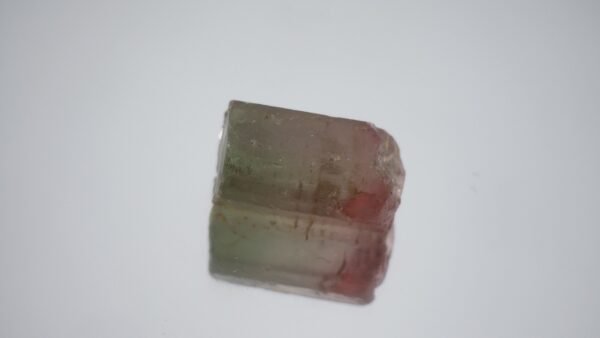
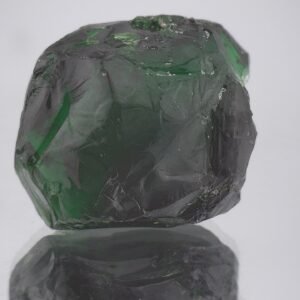
6.67CT Bi-Color Tourmaline Rough Evaluation
Geological Origins & Rarity
6.67CT Bi-Color Tourmaline Rough originates from a fascinating confluence of geological processes. Tourmaline, in general, is a cyclosilicate mineral, meaning its structure is built around silicon-oxygen rings. This particular bi-color specimen, exhibiting both pink and green hues, likely formed within pegmatitic granites – coarse-grained igneous rocks rich in rare elements. These granites are the late-stage crystallization products of magma, concentrating elements like lithium, boron, and manganese, all crucial for tourmaline’s vibrant coloration.
The pink coloration is typically attributed to manganese, while the green comes from iron. The bi-color effect arises when differing concentrations of these elements are present during crystal growth, creating distinct zones within the stone. This 6.67CT Bi-Color Tourmaline Rough is a testament to the precise conditions needed for such zoning – a gradual shift in the elemental composition of the surrounding magma as the crystal formed. Tourmaline deposits are found globally, but high-quality, vividly colored, and well-formed crystals like this are relatively rare, increasing the value of this specific piece.
Brazil and Africa are the most prolific sources of tourmaline, but even within these regions, finding a 6.67CT Bi-Color Tourmaline Rough with such clear color separation and potential for a high-yield cut is exceptional. The rarity is further amplified by the size; larger rough stones that maintain clarity and desirable color are increasingly difficult to unearth. Understanding the geological origins allows the cutter to appreciate the stone’s inherent value and work with its natural grain.
Optical Physics & Color Saturation
The captivating color display within this 6.67CT Bi-Color Tourmaline Rough isn’t merely aesthetic; it’s a direct result of complex optical physics. Tourmaline is a pleochroic gem, meaning it exhibits different colors when viewed from different angles. This is due to the anisotropic nature of the crystal structure – light travels at different speeds through different directions within the stone. The 6.67CT Bi-Color Tourmaline Rough’s distinct pink and green zones enhance this effect, creating a dynamic interplay of color as light passes through it.
The saturation of color is determined by the concentration of the coloring elements (manganese and iron) and how effectively they absorb certain wavelengths of light. The pink zones absorb blue-green light, reflecting pink, while the green zones absorb red light, reflecting green. The clarity of the 6.67CT Bi-Color Tourmaline Rough is also crucial; fewer inclusions mean less light scattering and a more vibrant, saturated color. The refractive index of tourmaline is relatively high (around 1.614 to 1.666), contributing to its brilliance and sparkle.
Proper orientation during cutting is paramount to maximize the color saturation and pleochroism. The cutter must carefully analyze the rough to identify the optimal angle to display the most vivid and balanced color. The interplay of light within the 6.67CT Bi-Color Tourmaline Rough, governed by these physical principles, is what ultimately transforms it from a rough stone into a breathtaking gem. The dimensions of 12.81×7.52×6.48mm allow for a generous surface area to showcase these optical properties.
Master Cutter’s Bench Guide
Approaching the 6.67CT Bi-Color Tourmaline Rough on the master cutter’s bench demands a meticulous and strategic plan. The initial assessment should focus on identifying the most prominent color zones and the direction of the stone’s natural grain. Unlike some gems, tourmaline often exhibits a strong pleochroism, meaning color intensity varies depending on the viewing angle. The cutter must decide which color to emphasize and how to best showcase the bi-color effect.
Given the 6.67CT Bi-Color Tourmaline Rough’s dimensions of 12.81×7.52×6.48mm, a mixed cut – combining brilliant and step cuts – would be ideal. A brilliant cut maximizes light return, enhancing sparkle, while the step cut allows for a broader display of color. The cutter should carefully map the inclusions (if any) and plan the facets to avoid them, preserving clarity and yield. A crucial step is the pre-forming of the stone, establishing the basic shape and angle to ensure optimal color display and minimize material loss.
When faceting, the cutter must maintain precise angles and symmetry. A slight deviation can dramatically affect the stone’s brilliance and color. Polishing is equally important, bringing out the gem’s inherent luster. For this 6.67CT Bi-Color Tourmaline Rough, a final polish with diamond paste will reveal the full depth of color and clarity. The goal is not just to create a beautiful gem but to unlock the potential hidden within the rough, transforming it into a captivating and valuable masterpiece. Careful attention to detail throughout the cutting process is what separates a good gem from an exceptional one.
Investment & Yield Potential
The investment potential of a 6.67CT Bi-Color Tourmaline Rough, especially one of this quality, is significant. While not as widely recognized as diamonds, rubies, or sapphires, tourmaline is steadily gaining popularity among collectors and gem enthusiasts. Bi-color tourmalines, in particular, are highly sought after due to their rarity and unique aesthetic appeal. The increasing demand, coupled with limited supply, drives up their value over time.
The 6.67CT Bi-Color Tourmaline Rough presents a dual investment opportunity. First, there’s the potential for appreciation in the rough stone itself, especially if it’s a particularly fine example. Second, and more significantly, is the value added through expert cutting. A skillfully faceted gem derived from this 6.67CT Bi-Color Tourmaline Rough could command a substantially higher price than the rough material. The final gem’s value will depend on factors like cut quality, clarity, color saturation, and carat weight.
Compared to other colored gemstones, tourmaline offers a relatively affordable entry point for investors. However, high-quality bi-color tourmalines, particularly those exceeding 6 carats, are becoming increasingly rare and valuable. The 6.67CT Bi-Color Tourmaline Rough, with its well-defined color zoning and potential for a high-yield cut, represents a promising long-term investment. It’s a tangible asset that can appreciate in value and provide lasting enjoyment. Considering the dimensions, a well-cut stone from this rough could easily become a centerpiece in a high-end jewelry collection.
For a detailed breakdown of this variety, visit the GIA Gem Encyclopedia or explore our Lapidary Guide for professional 6.67CT Bi-Color Tourmaline Rough cutting tips.
Master Cutter’s Bench Note for 6.67CT Bi-Color Tourmaline Rough
Due to the potential for stress fractures in tourmaline, use a very light touch during preforming and avoid excessive pressure. Slow, deliberate faceting is key to preserving the stone’s integrity.
Technical Specifications
- Weight: 6.67CT
- Dimensions: 12.81×7.52×6.48mm
- Focus Keyword: 6.67CT Bi-Color Tourmaline Rough
Reviews
There are no reviews yet.