Description
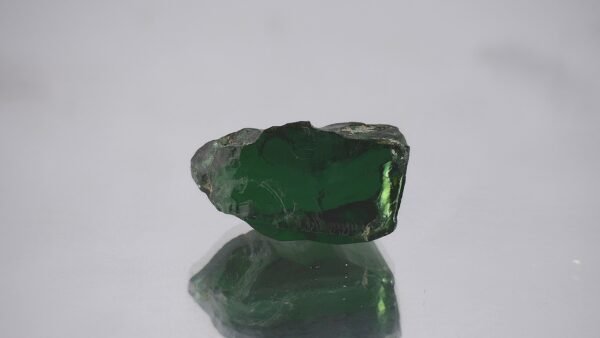
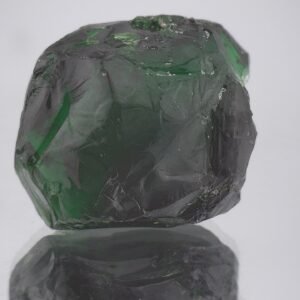
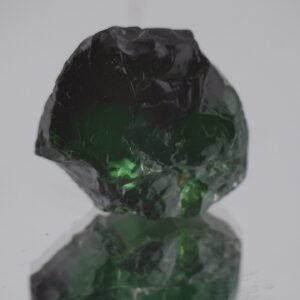
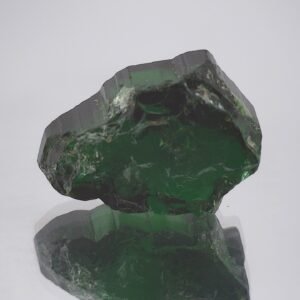
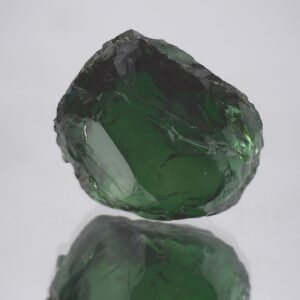
6.47CT Chrome Tourmaline Rough Evaluation
Geological Origins & Rarity
6.47CT Chrome Tourmaline Rough originates from a fascinating intersection of geological processes, primarily found in the pegmatitic rocks of Brazil, Nigeria, and Tanzania. These aren’t your everyday igneous formations; pegmatites represent the final, water-rich phase of magma cooling, allowing for the growth of exceptionally large, well-formed crystals. The vibrant green hue, characteristic of Chrome Tourmaline, isn’t just a visual delight—it’s a direct result of chromium (Cr) replacing silicon in the tourmaline’s crystal structure. This substitution is relatively rare, making Chrome Tourmaline significantly more valuable than other tourmaline varieties.
The formation requires specific geochemical conditions. The presence of both boron and aluminum, essential components of tourmaline, along with the chromium source, is crucial. The intensity of the green color is directly related to the concentration of chromium. The rough crystal itself likely formed deep within the earth, under immense pressure and relatively slow cooling rates, which allowed for the development of its size and internal structure. Finding a piece of 6.47CT Chrome Tourmaline Rough with the potential for a clean, high-yield cut is a testament to both geological luck and the quality of the original source material. The scarcity of chromium-rich environments contributes to the relative rarity and, therefore, the desirability of these gems.
Examining the host rock can often provide clues about the gem’s origin and potential inclusions. Understanding the geological context is valuable for both the collector and the cutter, allowing for a more informed appreciation of the stone’s history and inherent qualities. A 6.47CT Chrome Tourmaline Rough of this caliber represents a small fraction of the material that ever reaches the market.
Optical Physics & Color Saturation
The captivating color of the 6.47CT Chrome Tourmaline Rough isn’t simply a visual phenomenon; it’s deeply rooted in the stone’s optical physics. Tourmaline, as a group, is known for its strong pleochroism – the ability to display different colors when viewed from different angles. This is due to the anisotropic nature of the crystal structure, meaning light travels at different speeds depending on its direction within the stone. In Chrome Tourmaline, the chromium ions absorb certain wavelengths of light, preferentially transmitting the green spectrum, resulting in the deep, rich color we observe. The intensity of the saturation, however, is affected by several factors, including the concentration of chromium, the crystal’s orientation, and the presence of any internal reflections.
The refractive index of tourmaline is relatively high, contributing to its brilliance and sparkle when properly cut. The 6.47CT Chrome Tourmaline Rough’s potential for brilliance is linked to this refractive ability, as it bends light effectively, creating a dazzling display. Furthermore, the dispersion (fire) of tourmaline, though not as high as diamond, is still noticeable, adding another dimension to its visual appeal. The rough’s clarity plays a critical role in maximizing light return; any internal fractures or inclusions will scatter light, reducing both brilliance and saturation. A skilled cutter will carefully analyze the rough to determine the optimal orientation for maximizing these optical properties and minimizing light loss.
Understanding these physical properties is essential for a cutter working with this 6.47CT Chrome Tourmaline Rough. The ability to predict how light will interact with the finished gem is the hallmark of a master craftsman. Careful consideration of the rough’s inclusions, color zoning, and pleochroism will directly impact the final outcome and the overall value of the gem.
Master Cutter’s Bench Guide
Approaching the master cutter’s bench with a 6.47CT Chrome Tourmaline Rough demands a meticulous and considered strategy. Unlike some materials, Chrome Tourmaline’s pleochroism requires careful orientation during the cutting process. The goal isn’t simply to maximize carat weight, but to unlock the stone’s inherent brilliance and color saturation. Begin by thoroughly examining the rough under magnification, identifying any inclusions, fractures, or color zoning. A detailed plan for the cutting process should be drafted, taking into account the rough’s dimensions (12.71×7.87×7.31mm in this case) and potential for yield.
Preforming the rough is a crucial step. Removing excess material without compromising the stone’s integrity requires precision and patience. The initial girdle application should be carefully planned to maximize the final gem’s proportions. Consider a modified brilliant cut, such as a round or oval, to best showcase the stone’s color and brilliance. However, a skilled cutter might also explore more unconventional cuts to highlight unique characteristics of the 6.47CT Chrome Tourmaline Rough. The angle of the pavilion facets is particularly important, as it directly affects the gem’s light return and fire. A shallow cut will result in a larger gem but reduced brilliance, while a steep cut will maximize brilliance at the expense of carat weight.
Polishing is the final stage, and it demands the utmost care. Using progressively finer polishing laps, the cutter will bring the gem to its ultimate luster. Any imperfections on the facet surfaces must be meticulously removed. The finished gem, born from the 6.47CT Chrome Tourmaline Rough, should be a testament to the cutter’s skill and artistry – a vibrant, brilliant, and captivating expression of nature’s beauty. A successful cut maximizes not only the visual appeal but also the potential investment value.
Investment & Yield Potential
Investing in a 6.47CT Chrome Tourmaline Rough, particularly one exhibiting excellent clarity and potential, is more than just acquiring a beautiful gemstone; it’s an investment in a rare and increasingly sought-after commodity. Chrome Tourmaline, due to its limited supply and vibrant color, has seen a steady appreciation in value over the past decade. While the market for colored gemstones is influenced by fashion trends, the enduring appeal of high-quality, well-cut Chrome Tourmalines ensures their continued desirability.
The investment potential of the 6.47CT Chrome Tourmaline Rough lies in its ability to be transformed into a high-value finished gem. A skilled cutter can significantly enhance the stone’s worth by maximizing its brilliance, color saturation, and carat weight. The final gem’s value will be determined by factors such as color intensity, clarity, cut quality, and carat weight. Compared to diamonds, colored gemstones generally have a lower liquidity, meaning they may take longer to sell. However, exceptional pieces, like a well-cut gem originating from this 6.47CT Chrome Tourmaline Rough, can command premium prices.
Furthermore, the increasing awareness of ethical sourcing and sustainability is driving demand for responsibly mined gemstones. Origin traceability and documentation are becoming increasingly important to collectors and investors. Holding a rough piece like this 6.47CT Chrome Tourmaline Rough also allows the investor to control the final product, ensuring the highest quality and ethical standards are met. The long-term yield potential, coupled with the inherent beauty and rarity of Chrome Tourmaline, makes it a compelling addition to any gemstone portfolio.
For a detailed breakdown of this variety, visit the GIA Gem Encyclopedia or explore our Lapidary Guide for professional 6.47CT Chrome Tourmaline Rough cutting tips.
Master Cutter’s Bench Note for 6.47CT Chrome Tourmaline Rough
When orienting the rough, prioritize maximizing the saturation of the green color along the primary viewing axis, even if it slightly reduces potential carat weight. The color is king!
Technical Specifications
- Weight: 6.47CT
- Dimensions: 12.71×7.87×7.31mm
- Focus Keyword: 6.47CT Chrome Tourmaline Rough
Reviews
There are no reviews yet.