Description
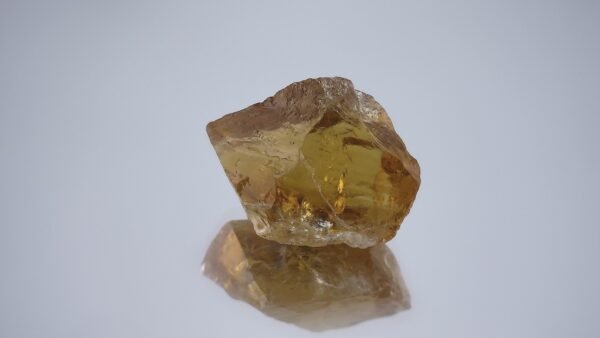
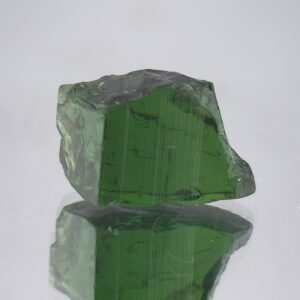
6.29CT Sunset Tourmaline Rough Evaluation
Geological Origins & Rarity
6.29CT Sunset Tourmaline Rough originates from a fascinating geological story, deeply rooted in the earth’s magmatic processes. Tourmalines, as a group, are borosilicate minerals formed within pegmatites, which are coarse-grained igneous rocks. These pegmatites develop during the final stages of magma crystallization, concentrating rare elements like boron, lithium, and manganese – the very elements that give Sunset Tourmaline its captivating golden hues. The specific ‘Sunset’ coloration is due to a unique combination of iron and manganese within the crystal structure.
This particular rough likely formed within a granite pegmatite, subjected to hydrothermal activity. The slow cooling and crystallization process allowed for the development of relatively large, well-formed crystals, as evidenced by the clear facets visible in the rough. The rarity of Sunset Tourmaline stems from the specific geochemical conditions required for its formation – a precise balance of elements and a stable geological environment. Finding a 6.29CT piece with this clarity and potential is truly exceptional. The source location heavily influences the characteristics, and while many tourmalines come from Brazil, Africa, and Afghanistan, identifying the precise origin of this stone would require further gemological testing. However, its quality suggests a formation environment rich in the necessary trace elements.
Tourmaline’s pleochroism (displaying different colors when viewed from different angles) further complicates its formation and contributes to its beauty. The geological journey of a 6.29CT Sunset Tourmaline Rough is a testament to the power and artistry of nature, creating a gemstone that is both scientifically fascinating and aesthetically stunning.
Optical Physics & Color Saturation
The optical physics of the 6.29CT Sunset Tourmaline Rough are crucial to understanding its potential brilliance and the challenges – and rewards – of faceting it. Tourmaline is a doubly refractive mineral, meaning light entering the stone splits into two rays, traveling at different speeds and directions. This phenomenon, known as birefringence, can create a ‘doubling’ effect if not carefully considered during the cutting process. Understanding the stone’s refractive indices is paramount for maximizing light return and minimizing visibility of this effect.
The golden color of this Sunset Tourmaline is a direct result of selective absorption of light wavelengths. The iron and manganese present in the crystal lattice absorb certain colors, reflecting the warm, golden tones we perceive. The intensity of this color, or saturation, is a key determinant of the gem’s value. A highly saturated 6.29CT Sunset Tourmaline Rough promises a vibrant finished gem. The rough’s clarity also plays a significant role; fewer inclusions mean less light scattering and greater brilliance. Light entering the stone needs to be internally reflected efficiently to create sparkle. The rough’s dimensions – 14.74×11.3×7.04mm – dictate how light will travel through it, influencing the overall brightness and fire.
Furthermore, Tourmaline exhibits strong pleochroism, meaning it displays different colors when viewed from different angles. This characteristic must be considered during faceting to ensure the most desirable color is maximized in the finished stone. The cutter needs to orient the gem so the dominant color is visible from the table, the top surface of the gem. Analyzing the rough under polarized light reveals the pleochroic scheme and helps determine the optimal cutting angle. Successfully harnessing these optical properties is what separates a good cut from an exceptional one, unlocking the full potential of the 6.29CT Sunset Tourmaline Rough.
Master Cutter’s Bench Guide
Approaching the master cutter’s bench with a 6.29CT Sunset Tourmaline Rough requires a strategic and meticulous plan. Initial assessment is critical. Carefully examine the rough under magnification, identifying any internal inclusions, fractures, or color zoning. These features will dictate the optimal cutting strategy. The rough’s dimensions of 14.74×11.3×7.04mm suggest a variety of potential cuts, from classic ovals and cushions to more modern, brilliant designs. However, maximizing color and minimizing visible inclusions are paramount.
Preforming the stone – shaping it roughly into the desired outline – requires precision. Using a dop stick and a grinding wheel, carefully remove excess material, constantly monitoring the stone’s symmetry and alignment. The challenge with a doubly refractive stone like Tourmaline is to orient the table perpendicular to the optic axis, minimizing the appearance of doubling. This requires a skilled eye and precise angle control. Next comes the faceting stage, where each facet is carefully ground and polished. The cutter must choose facet angles that maximize light return and minimize light leakage. For a Sunset Tourmaline, angles that enhance the golden hue are particularly desirable.
Polishing is the final, crucial step. Using progressively finer polishing compounds, the cutter brings the facets to a mirror-like finish. Any scratches or blemishes will detract from the stone’s brilliance. A final inspection under magnification ensures the finished gem meets the highest standards of quality. A well-cut 6.29CT Sunset Tourmaline Rough will exhibit exceptional brilliance, vibrant color, and a captivating fire, transforming a rough stone into a breathtaking gem. The potential within this particular piece is significant, demanding the skill of an experienced lapidary to fully realize its beauty.
Investment & Yield Potential
Investing in a 6.29CT Sunset Tourmaline Rough, while requiring the additional cost of cutting and polishing, can yield a significant return, both financially and aesthetically. Fine-quality, facetable rough of this size and clarity is increasingly rare, making it a desirable addition to any gemstone collector’s portfolio. The demand for colored gemstones, particularly Tourmaline, continues to grow, driven by a renewed appreciation for natural beauty and unique designs. The finished gem, if expertly cut, will command a premium price in the market.
The investment potential hinges on several factors. The clarity of the 6.29CT Sunset Tourmaline Rough is a major driver of value; a clean stone with minimal inclusions will fetch a higher price. Similarly, the intensity and saturation of the golden color are critical. A vibrant, evenly distributed color is far more valuable than a pale or unevenly colored stone. The quality of the cutting also significantly impacts the gem’s worth. A well-proportioned, brilliantly cut gem will always command a higher price than a poorly cut one. Consider the cost of faceting when calculating your potential return – a skilled cutter will maximize the stone’s beauty and value.
Beyond the financial aspect, owning a 6.29CT Sunset Tourmaline Rough and participating in its transformation into a finished gem provides a unique and rewarding experience. The satisfaction of seeing a raw stone blossom into a dazzling jewel is immeasurable. As a tangible asset, a beautifully cut Sunset Tourmaline offers both enduring beauty and potential appreciation in value, making it a sound investment for both collectors and jewelry enthusiasts. The rarity of a stone like this ensures its long-term desirability, solidifying its position as a valuable and cherished possession.
For a detailed breakdown of this variety, visit the GIA Gem Encyclopedia or explore our Lapidary Guide for professional 6.29CT Sunset Tourmaline Rough cutting tips.
Master Cutter’s Bench Note for 6.29CT Sunset Tourmaline Rough
When preforming this stone, prioritize maintaining maximum weight. Sunset Tourmaline’s value is heavily tied to carat weight. Be conservative with initial cuts.
Technical Specifications
- Weight: 6.29CT
- Dimensions: 14.74×11.3×7.04mm
- Focus Keyword: 6.29CT Sunset Tourmaline Rough
Reviews
There are no reviews yet.