Description
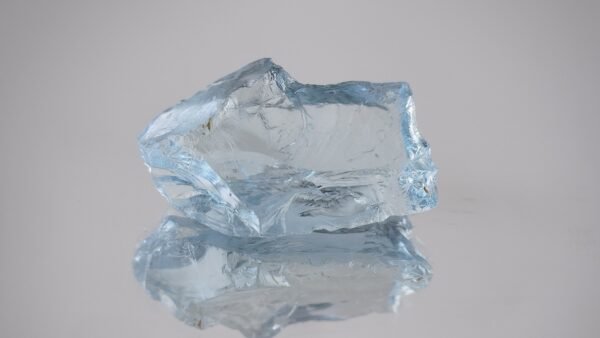
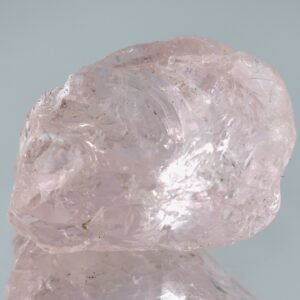
6.24CT Mozambique Aquamarine Rough Evaluation
Geological Origins & Rarity
6.24CT Mozambique Aquamarine Rough hails from the geologically rich and increasingly important mining regions of Mozambique, Africa. Aquamarine, a member of the Beryl family (along with Emerald and Morganite), forms within pegmatite formations – coarse-grained igneous rocks that solidify slowly, allowing for the development of large, well-formed crystals. The specific geological conditions in Mozambique, characterized by beryllium-rich granitic pegmatites, are particularly conducive to the formation of high-quality Aquamarine.
The Mozambique deposits have rapidly gained prominence in the gem world due to the consistent production of stones exhibiting exceptional clarity and vibrant color. Unlike some other Aquamarine sources, the Mozambique material often requires little to no heat treatment to achieve desirable hues, making this 6.24CT Mozambique Aquamarine Rough a particularly valuable find for purists. These pegmatites are formed deep within the Earth’s crust and are brought closer to the surface through tectonic uplift and erosion. The rarity of Aquamarine, combined with the limited geographic distribution of these ideal formation environments, contributes to its value.
The specific geological history of the area where this 6.24CT Mozambique Aquamarine Rough was sourced also plays a role in its unique characteristics. Trace elements present during crystal growth, like iron, are responsible for the signature blue color. The intensity of the blue is directly related to the concentration of these trace elements. The fact that this rough displays a delicate, sea-foam blue suggests a balanced concentration and a promising potential for a beautiful finished gem.
Optical Physics & Color Saturation
The optical physics of Aquamarine, and consequently the 6.24CT Mozambique Aquamarine Rough, are fascinating. As a Beryl, Aquamarine exhibits a hexagonal crystal system, influencing its pleochroism – the ability to display different colors when viewed from different angles. This is a critical consideration for any cutter planning to maximize brilliance. The refractive index of Aquamarine falls around 1.565 to 1.590, which is relatively high, contributing to its sparkle.
Color saturation in the 6.24CT Mozambique Aquamarine Rough is determined by the concentration of iron ions within the crystal structure. The delicate, sea-foam blue hue indicates a moderate, but potentially vibrant, concentration. Unlike some other blue gemstones, Aquamarine’s color is generally stable and not prone to fading with prolonged light exposure. However, the rough’s internal characteristics, including inclusions and zoning, will impact how light travels through the stone and ultimately affect the final color appearance.
The dispersion of Aquamarine is relatively low (0.009), meaning it doesn’t exhibit the “fire” or rainbow effect seen in diamonds. However, its high clarity and potential for excellent polish compensate for this. Understanding the stone’s optical properties is paramount to unlocking its full potential. Proper orientation during cutting is vital to maximize brilliance and minimize the visibility of any internal imperfections within the 6.24CT Mozambique Aquamarine Rough. The dimensions of 15.92×11.35×6.26mm offer a good starting point for planning a cut that will showcase these properties.
Master Cutter’s Bench Guide
Approaching the cutting of a 6.24CT Mozambique Aquamarine Rough requires a skilled and experienced hand. The initial step involves a thorough examination of the rough to identify the optimal cutting direction. This isn’t simply about maximizing carat weight; it’s about revealing the stone’s inherent beauty and brilliance. Careful consideration must be given to the pleochroism mentioned earlier, orienting the stone to display the most desirable color from the top facets.
The cutter will begin by carefully mapping out the inclusions and any color zoning present within the 6.24CT Mozambique Aquamarine Rough. This allows them to strategically avoid these imperfections during the faceting process. A pre-forming stage will shape the rough into a basic outline, followed by the blocking, where the main facets are established. The proportions are crucial – too shallow, and the stone will appear glassy; too deep, and it will lose brilliance. A typical cut for Aquamarine is an oval or cushion, but other fancy shapes are also possible, depending on the rough’s characteristics.
Polishing is the final and most delicate stage. Using progressively finer polishing compounds, the cutter will bring the facets to a mirror-like finish, revealing the stone’s inherent luster. The 6.24CT Mozambique Aquamarine Rough’s potential is truly unlocked during this process. The goal is to create a gem that not only exhibits exceptional brilliance and clarity but also captures the essence of its Mozambique origins. A successful cut will transform this rough into a stunning piece of wearable art, a testament to the beauty of natural gemstones. The cutter should aim for a symmetrical and well-proportioned cut, maximizing light return and minimizing light leakage.
Investment & Yield Potential
Investment-grade gemstones are increasingly recognized as a viable alternative asset class, and the 6.24CT Mozambique Aquamarine Rough presents an intriguing opportunity. While the market for rough gemstones is more specialized than that for cut stones, the potential for significant yield makes this a worthwhile consideration for collectors and investors. The growing demand for ethically sourced and untreated gems further enhances its value.
The price of Aquamarine is influenced by several factors, including carat weight, clarity, color saturation, and cut. The fact that this 6.24CT Mozambique Aquamarine Rough is untreated is a significant premium, as heat treatment is a common practice to enhance color in some Aquamarine stones. Mozambique Aquamarine, in particular, is gaining recognition for its consistent quality and vibrant hues, driving up demand and prices. The rarity of fine-quality rough, coupled with the skilled labor required to cut it, adds to its investment appeal.
While predicting future gemstone prices is inherently difficult, the long-term outlook for Aquamarine remains positive. The supply of high-quality rough is limited, and demand is expected to continue to grow, particularly from discerning collectors and jewelry designers. The 6.24CT Mozambique Aquamarine Rough, if expertly cut, could yield a gem with substantial value, potentially exceeding its initial cost many times over. However, as with any investment, it’s important to conduct thorough research and consult with a qualified gemologist before making a purchase. This particular rough offers a unique blend of potential and rarity, making it a compelling addition to any serious gemstone portfolio.
For a detailed breakdown of this variety, visit the GIA Gem Encyclopedia or explore our Lapidary Guide for professional 6.24CT Mozambique Aquamarine Rough cutting tips.
Master Cutter’s Bench Note for 6.24CT Mozambique Aquamarine Rough
Due to the potential for internal stress fractures in Beryl, pre-forming should be done with a diamond wheel and light pressure. Avoid aggressive grinding, especially along the c-axis.
Technical Specifications
- Weight: 6.24CT
- Dimensions: 15.92×11.35×6.26mm
- Focus Keyword: 6.24CT Mozambique Aquamarine Rough
Reviews
There are no reviews yet.