Description
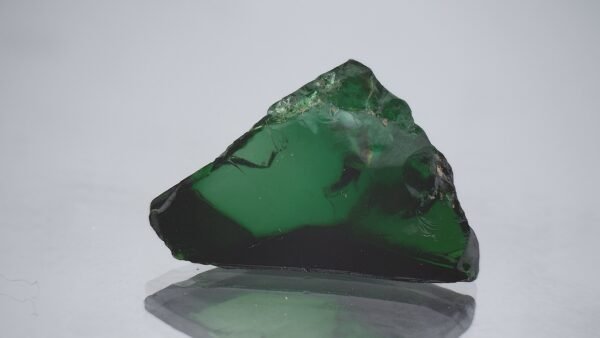
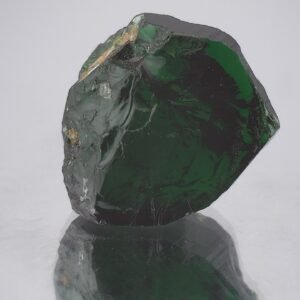
5.38CT Chrome Tourmaline Rough Evaluation
Geological Origins & Rarity
5.38CT Chrome Tourmaline Rough originates from a fascinating and complex geological process, primarily found in specific regions of Tanzania, Mozambique, and occasionally Pakistan. These vibrant green tourmalines owe their color to the presence of chromium, a rare trace element incorporated into the crystal structure during formation. Unlike many other green gemstones colored by iron, the chromium imparts a uniquely intense and stable hue. The formation typically occurs within pegmatites – coarse-grained igneous rocks formed during the final stages of magma crystallization.
These pegmatites are often associated with granitic intrusions, where volatile fluids rich in elements like lithium, beryllium, and crucially, chromium, circulate and deposit minerals into fractures and cavities. The specific conditions required – the right chemical composition of the fluids, sufficient pressure and temperature, and the presence of suitable host rocks – make Chrome Tourmaline a relatively rare gemstone. The 5.38CT Chrome Tourmaline Rough we’re examining exhibits characteristics indicative of a high-quality pegmatite origin, showcasing strong color zoning and a generally cleaner internal structure than specimens from other geological settings.
The scarcity of chromium itself, coupled with the precise conditions needed for its incorporation into the tourmaline crystal lattice, contributes to the gem’s value. The rough material often contains inclusions, but these can sometimes add to the gem’s character and tell a story of its formation. Understanding the geological origins of a 5.38CT Chrome Tourmaline Rough allows a cutter to appreciate its unique history and maximize its potential for brilliance and beauty.
Optical Physics & Color Saturation
The optical physics of a 5.38CT Chrome Tourmaline Rough are central to understanding its captivating color and potential for brilliance. Tourmaline, in general, is a complex borosilicate mineral, exhibiting strong pleochroism – meaning it displays different colors when viewed from different angles. Chrome Tourmaline amplifies this effect due to the chromium ions absorbing certain wavelengths of light. These ions selectively absorb wavelengths in the yellow and blue portions of the spectrum, resulting in the vivid green color we observe.
The intensity of the color saturation in this 5.38CT Chrome Tourmaline Rough is directly related to the concentration of chromium present. Higher concentrations generally lead to deeper, more saturated greens. However, it’s not simply about quantity; the distribution of chromium within the crystal also plays a crucial role. Even distribution yields a more uniform color, while zoning can create interesting patterns. The refractive index of tourmaline (typically around 1.614-1.666) is relatively high, contributing to its brilliance and fire. This means light bends significantly as it enters the gem, enhancing its sparkle.
The rough’s dimensions of 15.56×11.15×5.62mm are critical because they dictate how light will travel through the finished gem. A skilled cutter will strategically orient the stone to maximize light return and minimize light leakage, taking into account the pleochroism and the absorption properties of the chromium. The clarity of the 5.38CT Chrome Tourmaline Rough, while not necessarily flawless, is key. Fewer inclusions mean less internal reflection and a brighter, more vibrant finished gemstone. Understanding these physical properties allows a lapidary artist to unlock the full potential of this exceptional rough.
Master Cutter’s Bench Guide
Approaching the cutter’s bench with a 5.38CT Chrome Tourmaline Rough demands a thoughtful and strategic approach. Unlike some gemstones, Chrome Tourmaline requires careful consideration of its pleochroism. The goal isn’t just to maximize carat weight, but to orient the stone to showcase the most desirable color when viewed face-up. Initial planning involves a thorough examination of the rough, using a loupe and/or microscope to identify any internal flaws, color zoning, and the direction of the strongest color display.
The dimensions of 15.56×11.15×5.62mm suggest a versatile shape is possible, from classic emerald cuts to more contemporary oval or pear shapes. However, the rough’s natural shape and internal characteristics will ultimately dictate the best design. A skilled cutter will prioritize maintaining as much weight as possible while ensuring optimal light return. This often involves sacrificing some size to eliminate undesirable inclusions or to improve the overall brilliance. Pre-forming the stone is a crucial step, carefully removing excess material to establish the basic outline of the desired shape.
The faceting process itself requires precision and patience. Chrome Tourmaline is relatively hard (7-7.5 on the Mohs scale), but can be brittle, so consistent pressure and the use of appropriately sized laps are essential. The final polish is where the gem truly comes alive, revealing its vibrant color and brilliance. The cutter must carefully inspect the finished gem under various lighting conditions to ensure it meets the highest standards of quality. A well-cut 5.38CT Chrome Tourmaline Rough can transform a promising piece of rough into a breathtaking and valuable gemstone, and the skillful artistry involved significantly increases its value.
Investment & Yield Potential
Investment-grade colored gemstones are increasingly recognized as valuable assets, and a 5.38CT Chrome Tourmaline Rough, particularly one with strong color saturation and clarity, holds significant investment potential. While the market for colored gemstones is dynamic, rare and high-quality Chrome Tourmalines have consistently appreciated in value over time. The demand for vibrant, naturally colored gemstones is driven by collectors, jewelry designers, and investors seeking alternatives to traditional investments.
The rarity of Chrome Tourmaline is a key factor driving its value. Unlike diamonds, which are relatively abundant, truly exceptional Chrome Tourmaline rough – and finished stones – are scarce. This scarcity, combined with the gem’s unique beauty, makes it a desirable addition to any gemstone collection. The potential yield from a 5.38CT Chrome Tourmaline Rough depends on the skill of the cutter and the quality of the rough material itself. A well-cut stone can command a significantly higher price than the cost of the rough, potentially offering a substantial return on investment.
However, it’s important to note that gemstone investment involves risk. Market fluctuations, changes in consumer preferences, and the emergence of synthetic gemstones can all impact prices. But for discerning investors who understand the market and appreciate the inherent value of rare and beautiful gemstones, a 5.38CT Chrome Tourmaline Rough represents a compelling opportunity. The combination of rarity, beauty, and potential for appreciation makes it a valuable addition to a diversified portfolio, and a stunning heirloom to be cherished for generations. The 5.38CT Chrome Tourmaline Rough offers both financial and aesthetic rewards.
For a detailed breakdown of this variety, visit the GIA Gem Encyclopedia or explore our Lapidary Guide for professional 5.38CT Chrome Tourmaline Rough cutting tips.
Master Cutter’s Bench Note for 5.38CT Chrome Tourmaline Rough
When pre-forming this rough, be extremely cautious of internal stress fractures. Use a light touch and frequent inspection to avoid breakage. A slow, methodical approach is crucial.
Technical Specifications
- Weight: 5.38CT
- Dimensions: 15.56×11.15×5.62mm
- Focus Keyword: 5.38CT Chrome Tourmaline Rough
Reviews
There are no reviews yet.