Description
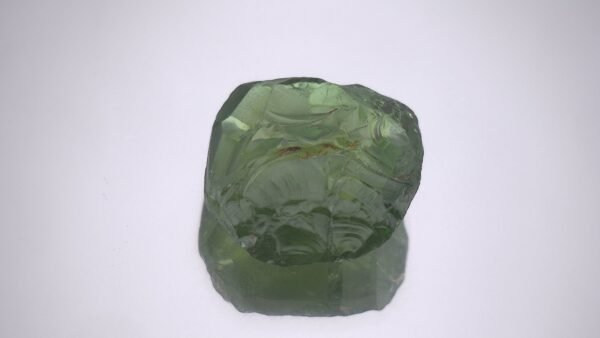
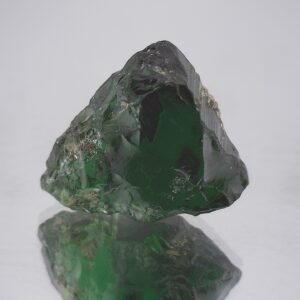
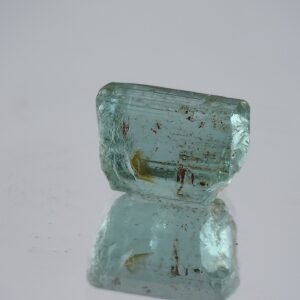
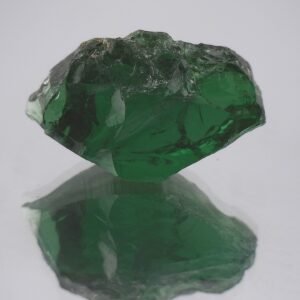
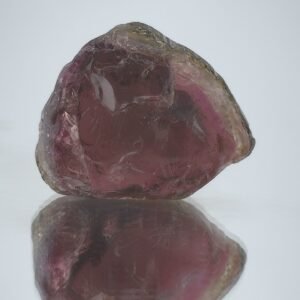
4.80CT Chrome Tourmaline Rough Evaluation
Geological Origins & Rarity
4.80CT Chrome Tourmaline Rough originates from a fascinating intersection of geological processes. Tourmalines, in general, are a complex borosilicate mineral group, and Chrome Tourmaline—with its vivid green hue—is particularly special. The color isn’t inherent to the basic tourmaline structure, but is caused by the presence of chromium ions substituting for aluminum within the crystal lattice. These chromium-rich tourmalines are most famously found in Tanzania, particularly in the Merelani Hills, the same region known for its exceptional Tanzanite. The geological formation requires specific conditions: pegmatitic intrusions rich in boron, aluminum, and crucially, chromium, interacting with metamorphic rocks.
The rarity of 4.80CT Chrome Tourmaline Rough stems from the limited geographical occurrences of these chromium-rich environments. The concentration of chromium needed to produce the intense green coloration is not widespread. Furthermore, finding rough crystals of significant size, like this 4.80CT specimen, with good clarity is increasingly difficult. The rough often forms in elongated, prismatic crystals, and the quality of the crystal structure greatly influences its potential for faceting. The journey from the molten environment of pegmatite formation to a wearable gemstone is lengthy and demanding, making each piece a unique testament to nature’s artistry.
The specific geological context of this particular 4.80CT Chrome Tourmaline Rough likely involves hydrothermal activity associated with the pegmatitic intrusions, helping to concentrate the chromium and facilitate crystal growth. Understanding the origin of the stone not only adds to its allure but also provides valuable insights into its potential stability and durability during the cutting process.
Optical Physics & Color Saturation
The optical physics of 4.80CT Chrome Tourmaline Rough are responsible for its captivating color and brilliance. Tourmaline is a pleochroic gem, meaning it exhibits different colors when viewed from different angles. This is due to the anisotropic nature of the crystal structure, causing light to interact differently depending on its polarization and direction of travel. In the case of Chrome Tourmaline, the chromium ions absorb certain wavelengths of light, primarily in the red and yellow spectrum, resulting in the transmission of vibrant green hues. The intensity of the green color is directly related to the concentration of chromium present within the crystal structure.
Color saturation in 4.80CT Chrome Tourmaline Rough is also influenced by the stone’s clarity and the absence of inclusions. While some inclusions can be tolerated, excessive inclusions can scatter light, diminishing the vibrancy and brilliance of the gem. The refractive index of tourmaline (typically between 1.614 and 1.666) contributes to its ability to bend light, enhancing its sparkle. This refractive index, combined with the dispersion (0.018-0.040), is what gives the finished gem its fire and visual appeal. The 4.80CT Chrome Tourmaline Rough will exhibit these properties to a greater degree depending on how skillfully it’s cut and polished.
Beyond color and brilliance, the 4.80CT Chrome Tourmaline Rough possesses a relatively high hardness (7-7.5 on the Mohs scale), making it reasonably durable for jewelry applications. However, its cleavage planes can be a concern during cutting, requiring careful handling and precise techniques. Analyzing the stone’s optical properties using a refractometer and dichroscope will further reveal its unique characteristics and inform the cutting strategy.
Master Cutter’s Bench Guide
Approaching a 4.80CT Chrome Tourmaline Rough on the master cutter’s bench demands a meticulous and strategic approach. The initial assessment must focus on understanding the stone’s internal characteristics: the distribution of color, the presence of any fractures or inclusions, and the orientation of the pleochroic colors. This informs the decision on the optimal cutting direction to maximize brilliance and minimize color zoning. Given the potential for strong pleochroism, the cutter needs to carefully consider which color to emphasize in the finished gem. A common approach is to orient the stone to display the most vibrant green when viewed face-up.
Due to the potential for cleavage, careful planning of the initial bruting and blocking stages is crucial for the 4.80CT Chrome Tourmaline Rough. Using a dop stick and a consistent, gentle pressure is essential to avoid fracturing the stone. Once the basic shape is established, the faceting process can begin. A pavilion-first approach is often preferred, allowing the cutter to assess the stone’s internal reflections and adjust the angles accordingly. The number and arrangement of facets will depend on the desired cut style – round, oval, pear, or cushion – and the cutter’s artistic vision. The goal is to create a gem that exhibits maximum brilliance, fire, and symmetry.
Polishing the 4.80CT Chrome Tourmaline Rough requires the use of progressively finer polishing compounds, typically diamond paste, to achieve a flawless surface finish. Maintaining consistent pressure and speed during polishing is vital to avoid creating surface blemishes. The final inspection should be conducted under magnification to ensure that all facets are perfectly aligned and polished, revealing the true beauty and potential of the stone. A well-cut 4.80CT Chrome Tourmaline Rough will command a premium price, reflecting the skill and artistry of the lapidary.
Investment & Yield Potential
Investing in a 4.80CT Chrome Tourmaline Rough, particularly one of this quality, presents a unique opportunity within the gemstone market. While faceted Chrome Tourmalines are sought after, the rough stone offers a potentially higher return on investment, especially for those with the expertise to cut it themselves or access to a skilled lapidary. The increasing demand for rare and vibrant colored gemstones, coupled with the limited supply of high-quality Chrome Tourmaline rough, is driving up prices. This makes 4.80CT Chrome Tourmaline Rough a compelling asset for collectors and investors alike.
The value of a finished Chrome Tourmaline is significantly influenced by its clarity, color saturation, cut quality, and carat weight. A skillfully cut 4.80CT Chrome Tourmaline, originating from this rough, could easily command a price several times higher than the cost of the rough material. Factors influencing yield are the amount of material lost during cutting and the overall clarity of the finished stone. Proper planning and execution during the cutting process are essential to maximize the value of the gem. The rarity of a stone like this 4.80CT Chrome Tourmaline Rough also contributes to its long-term investment potential.
Compared to other gemstones, Chrome Tourmaline offers a relatively stable and appreciating value. While market fluctuations are always possible, the demand for high-quality, natural colored gemstones remains strong. This 4.80CT Chrome Tourmaline Rough is not simply a commodity; it’s a piece of geological history and artistic potential, making it a desirable addition to any gemstone collection or investment portfolio. Its vibrant green color and potential for brilliance ensure its continued appeal to discerning buyers.
For a detailed breakdown of this variety, visit the GIA Gem Encyclopedia or explore our Lapidary Guide for professional 4.80CT Chrome Tourmaline Rough cutting tips.
Master Cutter’s Bench Note for 4.80CT Chrome Tourmaline Rough
When orienting for cutting, prioritize maximizing the green hue and minimizing any visible brown or grey tones. A slight offset from perfect color zoning can yield a dramatically improved final result.
Technical Specifications
- Weight: 4.80CT
- Dimensions: 11.59×11.34×4.88mm
- Focus Keyword: 4.80CT Chrome Tourmaline Rough
Reviews
There are no reviews yet.