Description
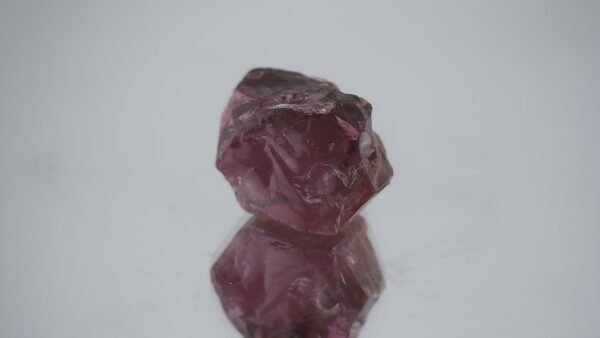
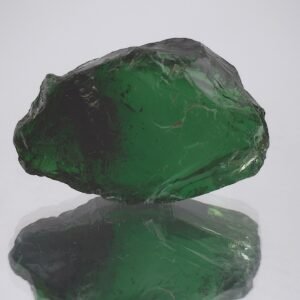
4.77CT Rubellite Tourmaline Rough Evaluation
Geological Origins & Rarity
4.77CT Rubellite Tourmaline Rough originates from a fascinating and complex geological process, primarily found in pegmatite formations. These aren’t your typical igneous rocks; pegmatites form during the late stages of a magma’s crystallization. As the molten rock cools, water-rich fluids, loaded with rare elements like lithium, manganese, and importantly, boron, become concentrated. It’s the presence of manganese that gives Rubellite Tourmaline its signature red to reddish-purple color. These fluids seep into cracks and fissures in surrounding rocks, and as they cool, they deposit crystals – often large and well-formed, but sometimes occurring as a rough, unpolished state like this 4.77CT specimen.
Rubellite, a variety of Tourmaline, is particularly rare due to the specific chemical conditions required for its formation. The confluence of lithium, manganese, and boron isn’t common, making gem-quality Rubellite much less frequent than other Tourmaline colors like green or pink. Major sources include Mozambique, Nigeria, Madagascar, and Brazil, each yielding stones with slightly different characteristics. The particular 4.77CT Rubellite Tourmaline Rough we’re discussing likely hails from a region known for its intense color saturation, a testament to the unique geological fingerprint of its origin.
The rarity of Rubellite directly impacts its value, and a substantial rough piece like this, with potential for a significant finished gem, is highly coveted. Geologists study these formations to understand the Earth’s crustal processes, while gemologists appreciate the beautiful crystals they produce. This particular 4.77CT Rubellite Tourmaline Rough offers a tangible connection to these powerful geological forces.
Optical Physics & Color Saturation
The captivating color of the 4.77CT Rubellite Tourmaline Rough isn’t merely aesthetic; it’s a result of complex interactions of light and the stone’s chemical composition. Tourmaline, as a group, exhibits strong pleochroism – meaning it displays different colors when viewed from different angles. This is due to the anisotropic nature of the crystal structure, where light is absorbed and transmitted differently depending on its polarization and the direction it travels through the stone. Rubellite’s red hue is primarily caused by the presence of manganese ions (Mn3+) within the crystal lattice, absorbing certain wavelengths of light and reflecting the reds and purples we perceive.
The intensity of this color, or saturation, is crucial for a gem’s value. Factors influencing saturation include the concentration of manganese, the presence of other trace elements, and the overall clarity of the stone. A deeply saturated Rubellite, like this 4.77CT Rubellite Tourmaline Rough, is much more valuable than a paler specimen. The refractive index of Tourmaline is also high (typically around 1.614 to 1.666), contributing to its brilliance and sparkle once faceted. This means light bends significantly as it enters the stone, maximizing internal reflection.
Furthermore, Rubellite Tourmaline often exhibits a strong dichroism, displaying a more intense red or violet color depending on the viewing angle. Understanding these optical properties is essential for a skilled cutter, allowing them to orient the stone to maximize both color and brilliance. The 4.77CT Rubellite Tourmaline Rough presents an excellent opportunity to showcase these optical phenomena in a beautifully finished gem, with its potential for a striking display of color and light.
Master Cutter’s Bench Guide
Approaching the cutting of a 4.77CT Rubellite Tourmaline Rough requires careful planning and a deep understanding of gemological principles. The first step is a thorough examination of the rough stone to identify its inclusions, color zoning, and the best orientation for maximizing brilliance and color. Unlike some gemstones, Rubellite’s pleochroism necessitates careful consideration of the table facet’s orientation to emphasize the desired color. A skilled cutter will strategically position the stone to display the most vibrant and appealing hue.
Preforming the stone – the initial shaping process – is crucial. This involves sawing the rough into a preliminary shape and establishing the girdle, the widest part of the gem. Precision is paramount, as any mistakes at this stage can significantly reduce the final yield. The 4.77CT Rubellite Tourmaline Rough, with its dimensions of 10.41×7.7×6.63mm, offers a good starting point, but the cutter must account for potential weight loss during faceting. The choice of facet pattern also influences the final result. Popular choices for Rubellite include oval, cushion, and pear cuts, all designed to showcase the stone’s color and brilliance.
The faceting process itself is a delicate balance of angles and symmetry. Each facet acts as a mirror, reflecting light and creating the gem’s sparkle. A well-cut Rubellite will exhibit exceptional brilliance and fire, with light bouncing around inside the stone before exiting through the table facet. Finally, polishing brings the gem to its full luster, revealing its inner beauty. The goal is to transform the 4.77CT Rubellite Tourmaline Rough into a stunning, eye-catching gem that captures the light and imagination.
Investment & Yield Potential
Investing in fine gemstones, like this 4.77CT Rubellite Tourmaline Rough, has a long and storied history. Unlike many commodities, colored gemstones are finite resources, and the supply of high-quality Rubellite is particularly limited, making it an increasingly attractive option for discerning collectors and investors. While price fluctuations can occur, well-cut, vibrant Rubellites have consistently appreciated in value over time.
The potential yield of a finished gem from this 4.77CT Rubellite Tourmaline Rough is a significant factor in its investment potential. A skilled cutter can transform the rough into a faceted stone with exceptional brilliance and color, significantly increasing its market value. The demand for Rubellite is driven by its rarity and beauty, particularly among jewelry designers and collectors seeking unique and captivating pieces. The increasing popularity of colored gemstones in high-end jewelry further fuels this demand.
Compared to diamonds, Rubellite offers a compelling alternative investment, often with higher potential for appreciation, especially for stones of exceptional quality. However, it’s crucial to consider the importance of certification from a reputable gemological laboratory (like GIA or AGL) to verify the stone’s authenticity and quality. A well-documented and certified 4.77CT Rubellite Tourmaline Rough, expertly faceted, represents not only a beautiful object but also a potentially lucrative long-term investment.
For a detailed breakdown of this variety, visit the GIA Gem Encyclopedia or explore our Lapidary Guide for professional 4.77CT Rubellite Tourmaline Rough cutting tips.
Master Cutter’s Bench Note for 4.77CT Rubellite Tourmaline Rough
When preforming this rough, prioritize preserving maximum weight while maintaining a clean color zone. A slight compromise in ideal proportions is acceptable to avoid cutting through inclusions that may dull the final gem’s brilliance.
Technical Specifications
- Weight: 4.77CT
- Dimensions: 10.41×7.7×6.63mm
- Focus Keyword: 4.77CT Rubellite Tourmaline Rough
Reviews
There are no reviews yet.