Description
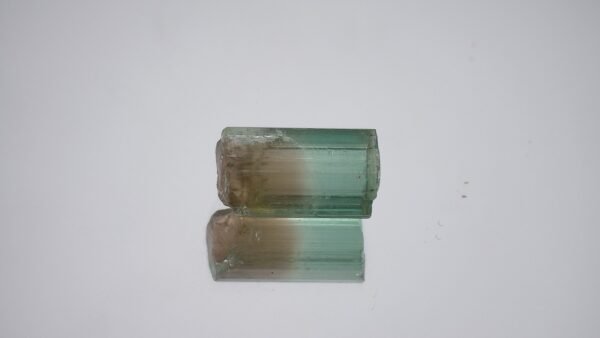
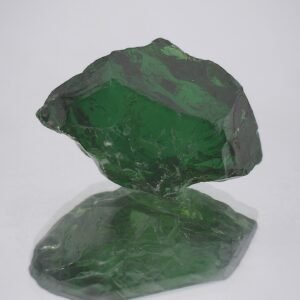
3.94CT Bi-Color Tourmaline Rough Evaluation
Geological Origins & Rarity
3.94CT Bi-Color Tourmaline Rough originates from the complex geological processes occurring deep within the Earth’s crust. Tourmaline, as a group, is a boron silicate mineral, and its formation requires a unique combination of elements – boron, aluminum, iron, magnesium, and often lithium – all present in pegmatitic granites and metamorphic rocks. Bi-color tourmalines, specifically, owe their captivating hues to zoning within the crystal structure during growth. This zoning is often caused by variations in the trace elements present in the fluid from which the crystal is growing. The pink and green coloration seen in this particular 3.94CT Bi-Color Tourmaline Rough is likely due to the presence of manganese and iron respectively, with differing concentrations creating the distinct zones.
Tourmaline’s formation typically occurs in late-stage magmatic activity, where these element-rich fluids seep into cracks and fissures in surrounding rocks. The slow cooling of these fluids allows for the gradual growth of tourmaline crystals. The rarity of bi-color tourmalines stems from the precise conditions needed for this zoning to occur; the fluid chemistry must shift during crystal growth, leading to the distinct color bands. Finding a rough of 3.94CT with such clear color separation and potential for a brilliant cut is truly exceptional. The source location significantly impacts the chemical composition and ultimately the color, with certain regions known for specific color variations. Understanding these geological origins is crucial for appreciating the inherent value of this gem.
The stability of the tourmaline crystal structure also contributes to its durability. It’s a relatively hard mineral (7-7.5 on the Mohs scale), which is beneficial for both cutting and wearing the finished gem. This particular 3.94CT Bi-Color Tourmaline Rough exhibits characteristics suggesting a well-formed crystal, free from significant internal fractures which further enhances its desirability.
Optical Physics & Color Saturation
The optical physics of the 3.94CT Bi-Color Tourmaline Rough are fascinating, contributing significantly to its visual appeal. Tourmaline is a pleochroic gemstone, meaning it exhibits different colors when viewed from different angles. This effect is particularly pronounced in bi-color stones, where the color change is not only between pink and green but also varies with the viewing direction. The intensity and saturation of these colors are governed by the concentration of the chromophores—the elements responsible for color—within the crystal lattice. In this 3.94CT Bi-Color Tourmaline Rough, the manganese contributing to the pink hue and iron to the green interact with light in specific ways, absorbing certain wavelengths and reflecting others.
The refractive index of tourmaline, typically around 1.614 to 1.666, determines how much light bends as it enters the gem. A higher refractive index leads to greater brilliance. The cut of the finished gem will maximize this effect. The bi-color nature of this particular 3.94CT Bi-Color Tourmaline Rough presents a unique challenge and opportunity for the cutter. Proper orientation during faceting is critical to display both colors to their fullest potential, and to enhance the pleochroism. Furthermore, the clarity of the rough influences light transmission; any inclusions or internal fractures will scatter light, reducing brilliance. This stone appears to have promising clarity, suggesting a high potential for a vibrant finished gem.
The dispersion, or “fire,” of tourmaline is relatively low compared to diamonds, but still noticeable. However, the captivating color play of this 3.94CT Bi-Color Tourmaline Rough creates a unique visual effect that goes beyond simple fire. The interaction of light with the different color zones generates a mesmerizing display, making it a highly desirable stone for collectors and jewelry enthusiasts. Analyzing the rough under polarized light can reveal subtle color variations and inclusions, providing valuable insights for the cutting process.
Master Cutter’s Bench Guide
Approaching the master cutter’s bench with a 3.94CT Bi-Color Tourmaline Rough demands careful planning and precise execution. The first step is a thorough assessment of the rough’s internal characteristics, including any inclusions, fractures, and color zoning. The goal is to maximize both brilliance and color display. Given the dimensions of 10.7×6.34×5.63mm, a variety of cuts could be employed, but a well-executed oval or cushion cut would likely showcase the bi-color effect most effectively. The cutter must carefully consider the orientation of the rough to ensure both the pink and green zones are visible from the table and contribute to the overall aesthetic.
The initial stages involve blocking – establishing the basic shape and angles of the pavilion and crown. This is a critical phase, as any errors will be magnified in subsequent steps. The cutter must account for the pleochroism of the tourmaline, aligning the facets to enhance the color change when viewed from different angles. The rough’s potential yield is excellent, suggesting a minimal loss of weight during cutting. This is particularly important for a stone of this size and quality. Precise angle calculations are essential to achieve optimal light return and maximize brilliance. A slightly shallower cut might be preferred to enhance the color display, but this must be balanced against the need for durability.
Polishing is the final stage, where the facets are smoothed and refined to create a flawless finish. This requires the use of progressively finer polishing compounds and meticulous attention to detail. The cutter must avoid creating any blemishes or scratches that could detract from the gem’s beauty. The finished gem, born from this 3.94CT Bi-Color Tourmaline Rough, should be a testament to the cutter’s skill and artistry. A final inspection under magnification will reveal any imperfections and ensure the gem meets the highest standards of quality. The potential of this rough is significant, promising a captivating and valuable finished stone.
Investment & Yield Potential
Investing in a 3.94CT Bi-Color Tourmaline Rough, particularly one exhibiting the clarity and color saturation of this piece, represents a unique opportunity in the gemstone market. While diamonds remain the most well-known precious stone, colored gemstones, especially rare varieties like bi-color tourmalines, are increasingly sought after by collectors and jewelry enthusiasts. The demand for unique and ethically sourced gemstones is growing, driving up prices for high-quality specimens. This 3.94CT Bi-Color Tourmaline Rough possesses the potential to yield a gem that commands a significant premium in the market.
The value of a finished bi-color tourmaline is determined by several factors, including carat weight, color intensity, clarity, cut, and overall beauty. A well-cut gem from this 3.94CT Bi-Color Tourmaline Rough, showcasing vibrant pink and green hues, could easily fetch a price significantly higher than the cost of the rough. The rarity of bi-color tourmalines further enhances its investment potential. Unlike diamonds, which are subject to mass production, truly exceptional colored gemstones are limited in supply. This scarcity drives up demand and contributes to long-term value appreciation.
Furthermore, the growing trend towards custom jewelry design is creating new opportunities for gemstone investment. Consumers are increasingly seeking unique and personalized pieces, and bi-color tourmalines offer a distinctive aesthetic that appeals to this market. The potential yield of this 3.94CT Bi-Color Tourmaline Rough, combined with its promising clarity and color, makes it an attractive addition to any gemstone portfolio. While market fluctuations can occur, the long-term outlook for high-quality colored gemstones remains positive, offering a potentially lucrative return on investment. Considering the initial price point and the potential finished value, this 3.94CT Bi-Color Tourmaline Rough is a compelling option for discerning investors.
For a detailed breakdown of this variety, visit the GIA Gem Encyclopedia or explore our Lapidary Guide for professional 3.94CT Bi-Color Tourmaline Rough cutting tips.
Master Cutter’s Bench Note for 3.94CT Bi-Color Tourmaline Rough
Due to the potential for dichroism, pre-blocking with a dop stick angled to both color zones will allow for optimal assessment of light return and maximize color display.
Technical Specifications
- Weight: 3.94CT
- Dimensions: 10.7×6.34×5.63mm
- Focus Keyword: 3.94CT Bi-Color Tourmaline Rough
Reviews
There are no reviews yet.