Description
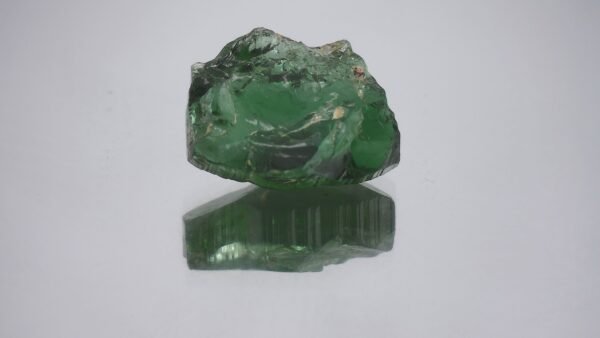
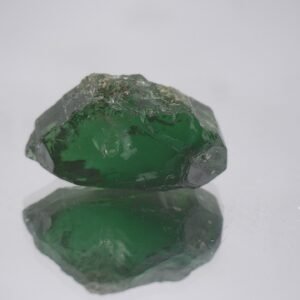
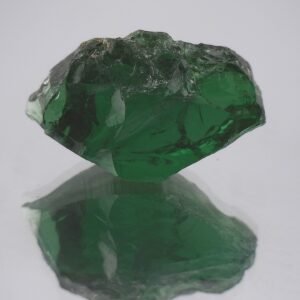
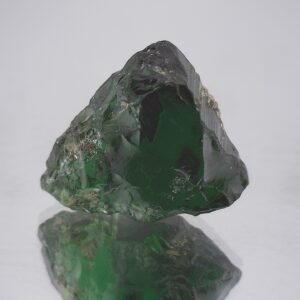
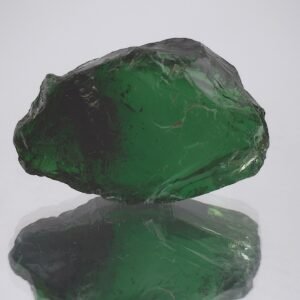
3.59CT Chrome Tourmaline Rough Evaluation
Geological Origins & Rarity
3.59CT Chrome Tourmaline Rough originates from a fascinating geological process, primarily found in specific regions of Africa, notably Mozambique, Tanzania, and Nigeria. These vibrant green gems are a variety of Dravite tourmaline, and their unique color is due to the presence of chromium, hence the name ‘Chrome Tourmaline’. The formation requires a specific combination of elements and conditions within pegmatitic granites. These granites, formed deep within the Earth’s crust, slowly cool, allowing elements like chromium, aluminum, boron, and silica to crystallize into the tourmaline structure.
The rarity of Chrome Tourmaline is significantly higher than many other tourmaline varieties. This isn’t simply because of the limited geographical locations where it’s found, but also due to the precise chemical environment required for chromium to be incorporated into the crystal lattice. Most tourmalines are colored by iron, manganese, or vanadium; chromium imparts this exceptionally vivid, almost electric green hue. Finding a clean, sizable piece of rough, like this 3.59CT Chrome Tourmaline Rough, is increasingly difficult as demand outpaces supply. The geological processes that create these stones are slow, taking millions of years, making each piece a true testament to the power and patience of nature.
The rough material is often found within matrix, requiring careful extraction to avoid damage. The specific geological context – the type of pegmatite, the surrounding rock formations, and the presence of other minerals – all influence the quality and potential yield of the 3.59CT Chrome Tourmaline Rough. Collectors and cutters prize pieces with strong color saturation and minimal inclusions, characteristics that are directly linked to the stone’s origin and formation history.
Optical Physics & Color Saturation
The captivating color of the 3.59CT Chrome Tourmaline Rough is a direct result of its optical physics. Tourmaline, in general, is a complex borosilicate mineral, and its color is determined by the way it absorbs and reflects light. In the case of Chrome Tourmaline, the presence of chromium ions (Cr3+) within the crystal structure selectively absorbs certain wavelengths of light, primarily those in the yellow and blue-red regions of the spectrum. This absorption leaves the green wavelengths to be reflected, resulting in the vivid green color we see. The intensity of the color is directly related to the concentration of chromium ions.
Color saturation in a 3.59CT Chrome Tourmaline Rough isn’t solely dependent on chromium content. The arrangement of these ions within the crystal lattice, as well as the presence of other trace elements, plays a critical role. The refractive index of tourmaline is also significant, contributing to its brilliance and fire. Tourmaline is pleochroic, meaning it exhibits different colors when viewed from different angles. This phenomenon is particularly noticeable in darker stones and can influence the cutting decisions to maximize color display.
The specific gravity of Chrome Tourmaline is around 3.05 – 3.10, making it a relatively dense gemstone. Its hardness on the Mohs scale is 7-7.5, making it reasonably durable, but still requiring careful handling during cutting and polishing. The 3.59CT Chrome Tourmaline Rough exhibits strong dichroism, meaning it shows different colors when viewed from different angles. Understanding these optical properties is vital for a cutter to maximize the brilliance and color saturation of the finished gem. The way light interacts with the stone’s internal structure is what creates its unique sparkle and allure.
Master Cutter’s Bench Guide
Approaching the cutting of a 3.59CT Chrome Tourmaline Rough requires a thoughtful and strategic plan. Before even touching a lap, a thorough examination of the rough is crucial. Assess the color distribution, identify any inclusions, and determine the best orientation to maximize brilliance and minimize waste. Given the pleochroism of Chrome Tourmaline, careful consideration must be given to how the different color zones will be displayed in the finished gem. A skilled cutter will orient the stone to emphasize the most desirable color and minimize any undesirable hues.
For a 3.59CT Chrome Tourmaline Rough of this size (11.58×8.70×5.05mm), a cushion or oval cut is often preferred, as these shapes allow for excellent color display and maximize the weight retention. However, creative cutters may explore other shapes, such as rounds or pears, depending on the rough’s unique characteristics. The first step is typically blocking – carefully sawing the rough into a preform and establishing the basic outline of the finished gem. This is followed by the grinding of the pavilion, ensuring accurate angles for optimal light return.
Polishing is the final and most critical stage. Using progressively finer polishing laps and compounds, the cutter brings the gem to its final brilliance. Chrome Tourmaline can be prone to abrasion during polishing, so a gentle touch and careful monitoring are essential. The cutter must constantly assess the color and brilliance, making adjustments as needed to achieve the desired result. A well-cut 3.59CT Chrome Tourmaline Rough will showcase a vibrant, captivating color, exceptional brilliance, and a flawless finish. It’s a testament to the cutter’s skill and artistry. This particular rough offers exciting possibilities for a truly stunning finished gemstone.
Investment & Yield Potential
The market for fine colored gemstones, including Chrome Tourmaline, has seen consistent growth in recent years, making a 3.59CT Chrome Tourmaline Rough a potentially valuable investment. While diamonds remain the most well-known gemstone, collectors and investors are increasingly recognizing the beauty and rarity of colored stones. Chrome Tourmaline, in particular, is highly sought after due to its vibrant green color, which is both unusual and captivating. The scarcity of high-quality rough, like this 3.59CT Chrome Tourmaline Rough, further drives up its value.
The investment potential isn’t solely based on rarity. The quality of the finished gem – its color, clarity, cut, and carat weight – all significantly impact its value. A skillfully cut 3.59CT Chrome Tourmaline will command a much higher price than a poorly cut stone of the same weight. The demand for ethically sourced gemstones is also growing, adding another layer of value to responsibly mined material.
Compared to diamonds, colored gemstones often offer a more diverse range of price points and investment opportunities. While exceptionally rare diamonds can reach astronomical prices, high-quality Chrome Tourmaline remains relatively accessible, offering a good entry point for investors. The long-term yield potential is promising, especially for stones of exceptional quality and size. Holding a 3.59CT Chrome Tourmaline Rough as an investment allows one to benefit from the increasing demand for rare and beautiful gemstones. The combination of geological rarity, captivating color, and potential for a stunning finished gem makes this a promising addition to any gemstone portfolio.
For a detailed breakdown of this variety, visit the GIA Gem Encyclopedia or explore our Lapidary Guide for professional 3.59CT Chrome Tourmaline Rough cutting tips.
Master Cutter’s Bench Note for 3.59CT Chrome Tourmaline Rough
When orienting this rough, pay close attention to the dichroism. A slight angle adjustment can dramatically shift the dominant color, potentially enhancing the final gem’s brilliance. Utilize a strong, focused light source to fully assess the color play.
Technical Specifications
- Weight: 3.59CT
- Dimensions: 11.58×8.70×5.05mm
- Focus Keyword: 3.59CT Chrome Tourmaline Rough
Reviews
There are no reviews yet.