Description
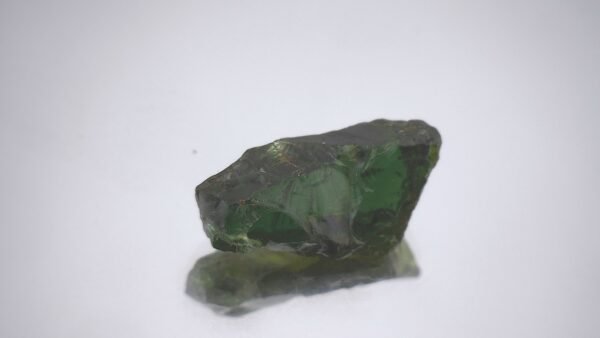
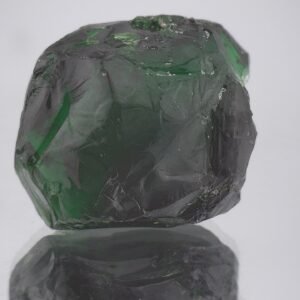
2.72CT Chrome Tourmaline Rough Evaluation
Geological Origins & Rarity
2.72CT Chrome Tourmaline Rough originates from a fascinating geological process, primarily found in metamorphic and magmatic rocks. The vibrant green hue characteristic of Chrome Tourmaline isn’t inherent to all tourmalines; it’s a result of the presence of chromium, specifically substituting silicon within the crystal structure. These chromium-rich deposits are relatively rare, making Chrome Tourmaline significantly more valuable than other tourmaline varieties. The primary sources for this stunning gem are found in Tanzania, Mozambique, and Pakistan, though smaller deposits exist elsewhere.
The formation typically occurs within pegmatites, which are coarse-grained igneous rocks formed during the final stages of magma crystallization. These pegmatites often contain a complex mix of elements, including lithium, beryllium, and, crucially, chromium. The specific conditions – temperature, pressure, and chemical composition – dictate the formation of the tourmaline crystal, influencing its size, shape, and color intensity. A 2.72CT Chrome Tourmaline Rough of this quality suggests a particularly stable and favorable geological environment during its creation. The scarcity of these chromium-rich environments, combined with the specific conditions needed for tourmaline crystallization, makes finding a rough of this size and clarity a noteworthy event for collectors and cutters alike.
Understanding the geological origins provides crucial insight into the gem’s potential. The rough’s host rock can indicate potential inclusions or structural weaknesses, allowing the cutter to make informed decisions during the faceting process. The presence of chromium also impacts the gem’s density and refractive index, further informing the cutting strategy.
Optical Physics & Color Saturation
The optical physics of a 2.72CT Chrome Tourmaline Rough are truly remarkable, contributing to its exceptional brilliance and vibrant color. Tourmaline, as a group, is known for its strong pleochroism, meaning it displays different colors when viewed from different angles. Chrome Tourmaline amplifies this effect, exhibiting vivid shades of green, sometimes with hints of blue or yellow depending on the viewing angle. This is directly linked to the absorption of light wavelengths due to the chromium ions within the crystal lattice.
The color saturation in a 2.72CT Chrome Tourmaline Rough is dependent on the concentration of chromium and the crystal’s internal structure. Higher chromium content generally leads to deeper, more intense green hues. However, the arrangement of these ions and the presence of any internal flaws or inclusions also play a crucial role. Light entering the rough interacts with these elements, selectively absorbing certain wavelengths and reflecting others, resulting in the perceived color. Tourmaline also possesses a high refractive index, meaning it bends light significantly, contributing to its sparkle and brilliance. This is further enhanced when the rough is skillfully faceted.
Furthermore, the rough exhibits a strong birefringence, meaning it splits light into two rays. This property, while challenging for cutters, can be utilized to enhance the gem’s fire – the dispersion of light into spectral colors. Analyzing the rough under polarized light can reveal its optical axis and help the cutter plan a cut that maximizes brilliance and minimizes light leakage. The clarity of this particular 2.72CT Chrome Tourmaline Rough allows for a greater transmission of light, intensifying the color and brilliance even further.
Master Cutter’s Bench Guide
Approaching a 2.72CT Chrome Tourmaline Rough on the master cutter’s bench requires a thoughtful and strategic approach. Before even touching a lapidary wheel, a thorough examination of the rough is paramount. Identifying the best orientation to maximize color, brilliance, and yield is critical. This involves carefully studying the rough under various lighting conditions and using tools like a refractometer and dichroscope to understand its optical properties.
Given the pleochroism inherent in Chrome Tourmaline, the cutter must decide which color to emphasize. Typically, maximizing the vibrant green is the goal, but subtly showcasing the secondary hues can add depth and character to the finished gem. The rough’s dimensions – 13.4×5.35×4.25mm – dictate the potential cut options. Oval, round, and pear shapes are popular choices, allowing for a balanced display of color and brilliance. However, creative cutters may opt for more unconventional cuts to highlight the rough’s unique characteristics. The 2.72CT Chrome Tourmaline Rough’s clarity is a significant advantage, minimizing the need to sacrifice weight to eliminate inclusions.
During faceting, precise angles and polish are essential. Tourmaline is a relatively hard gemstone (7-7.5 on the Mohs scale), requiring diamond-impregnated laps and careful pressure control. Maintaining symmetry and proportion throughout the process is crucial to ensure optimal light return. Finally, a meticulous final polish reveals the gem’s inner radiance and brings the cutter’s vision to life. A well-cut 2.72CT Chrome Tourmaline Rough will not only be visually stunning but also a testament to the cutter’s skill and artistry.
Investment & Yield Potential
Investing in a 2.72CT Chrome Tourmaline Rough, particularly one with exceptional clarity like this specimen, presents a compelling opportunity for both collectors and gem enthusiasts. Chrome Tourmaline is increasingly sought after due to its rarity and vibrant color, driving up demand and, consequently, value. While faceted Chrome Tourmalines command high prices per carat, investing in a rough allows you to potentially increase its value significantly through skillful cutting.
The investment potential hinges on several factors: the quality of the rough, the skill of the cutter, and market trends. A well-cut stone from a 2.72CT Chrome Tourmaline Rough can easily fetch a price several times higher than the cost of the rough itself. The increasing popularity of colored gemstones, coupled with the limited supply of high-quality Chrome Tourmaline, suggests a continued upward trajectory in value. Furthermore, a unique and expertly cut gem can attract premium prices from collectors and jewelry designers.
However, it’s important to note that investing in gemstone rough carries inherent risks. The cutting process can be challenging, and unforeseen inclusions or structural flaws may reduce the final yield. Market fluctuations can also impact prices. Nevertheless, a 2.72CT Chrome Tourmaline Rough of this caliber, with its promising clarity and potential for a stunning finished gem, represents a solid long-term investment for those with a discerning eye and a passion for gemstones. The rarity of intensely colored Chrome Tourmaline ensures its continued desirability in the gem market.
For a detailed breakdown of this variety, visit the GIA Gem Encyclopedia or explore our Lapidary Guide for professional 2.72CT Chrome Tourmaline Rough cutting tips.
Master Cutter’s Bench Note for 2.72CT Chrome Tourmaline Rough
When orienting the rough, prioritize maximizing the green pleochroic color while minimizing any visible color zoning. A slight pre-polish can help reveal hidden inclusions before committing to a final cut.
Technical Specifications
- Weight: 2.72CT
- Dimensions: 13.4×5.35×4.25mm
- Focus Keyword: 2.72CT Chrome Tourmaline Rough
Reviews
There are no reviews yet.