Description
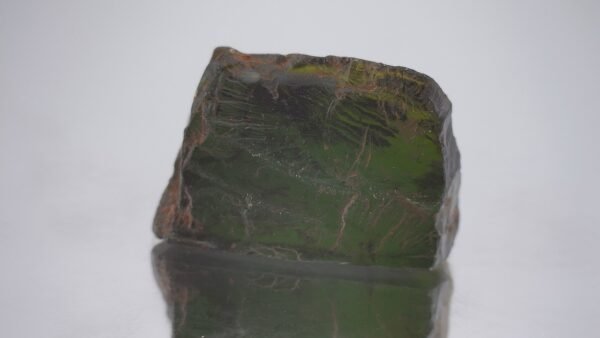
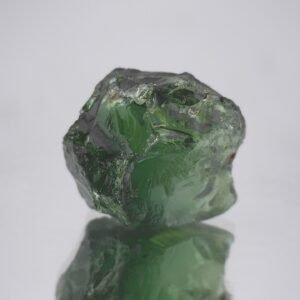
12.36CT Chrome Tourmaline Rough Evaluation
Geological Origins & Rarity
12.36CT Chrome Tourmaline Rough originates from a fascinating confluence of geological processes, primarily found in metamorphic and magmatic rocks. The vibrant green color, a hallmark of Chrome Tourmaline, isn’t accidental; it’s directly linked to the presence of chromium within the stone’s chemical composition during its formation. These tourmalines typically form in pegmatites, which are coarse-grained igneous rocks, and often alongside other rare gems like beryl and topaz. The specific geological environments conducive to Chrome Tourmaline development are relatively limited, contributing significantly to its rarity.
The most significant deposits are currently found in Tanzania, specifically the Morogoro region, though notable occurrences have also been documented in Madagascar and Pakistan. These regions boast the ideal combination of high temperatures, pressures, and the necessary chromium-rich fluids for crystallization. The rough material, like this particular 12.36CT Chrome Tourmaline Rough, is often extracted from alluvial deposits – sediments formed by the erosion and transportation of the original host rocks. This makes sourcing high-quality rough even more challenging, as the stones have been subjected to natural abrasion and sorting processes. Understanding the geological context is crucial for appreciating the value and uniqueness of this exceptional stone.
The formation itself is a complex process involving the slow cooling of magma rich in boron, aluminum, silicon, and chromium. As the magma cools, these elements combine to form the complex borosilicate structure characteristic of tourmaline. The inclusion of chromium ions replaces silicon atoms in the crystal lattice, creating the intense green coloration. The concentration of chromium directly correlates with the depth and intensity of the green hue, making the vibrant color of this 12.36CT Chrome Tourmaline Rough particularly desirable.
Optical Physics & Color Saturation
The captivating color of the 12.36CT Chrome Tourmaline Rough isn’t merely a visual phenomenon; it’s a direct result of the stone’s unique optical physics. Tourmaline, as a mineral, exhibits strong pleochroism, meaning it displays different colors when viewed from different angles. However, in Chrome Tourmaline, the intense chromium content significantly enhances and dominates this effect. The chromium ions absorb certain wavelengths of light, preferentially transmitting green wavelengths, which is why we perceive the stone as emerald green.
The clarity of the 12.36CT Chrome Tourmaline Rough is equally important to its brilliance. Light entering the stone must be able to travel through it with minimal obstruction to maximize refraction and dispersion. This rough exhibits a clarity level that allows for deep light penetration, promising a stunning polish. The refractive index of tourmaline is relatively high (typically between 1.614 and 1.666), contributing to its brilliance and ‘fire’ – the flashes of spectral color that occur when light is dispersed. The specific gravity of tourmaline is around 3.06, indicating its density and influencing how light interacts with it.
Saturation, the intensity of the color, is paramount. The 12.36CT Chrome Tourmaline Rough boasts exceptional saturation due to the high chromium content. This translates to a more vivid and eye-catching gemstone. Furthermore, the stone’s ability to absorb and reflect light is influenced by its crystal structure. Tourmaline’s trigonal crystal system impacts how light is polarized and refracted. The dimensions of 17.8×12.02×7.39mm further influence light performance, maximizing the potential for brilliance when skillfully cut. A skilled cutter will consider all these optical properties when planning the cut to ensure the final gemstone displays its full potential.
Master Cutter’s Bench Guide
Approaching the cutting of a 12.36CT Chrome Tourmaline Rough demands a nuanced understanding of the material and a mastery of faceting techniques. Unlike some gemstones, Chrome Tourmaline can exhibit strong dichroism, meaning color intensity varies depending on the viewing angle. The cutter must carefully analyze the rough to determine the optimal orientation for maximizing color saturation and minimizing undesirable color zoning. Initial planning involves a thorough examination of the rough’s inclusions, fractures, and any potential challenges to a clean cut.
For a stone of this size and quality, several cuts would be suitable. An emerald cut, aligned with the length of the rough, would emphasize its clarity and create a classic, elegant gemstone. An oval cut, skillfully executed, would maximize brilliance and fire. However, a more creative, bespoke cut could also unlock unique possibilities, showcasing the stone’s inherent beauty. The decision hinges on the cutter’s vision and the preferences of the client. The 12.36CT Chrome Tourmaline Rough’s dimensions (17.8×12.02×7.39mm) provide ample scope for a substantial, eye-catching finished stone.
Precision is key throughout the entire process. The initial blocking and bruting stages require careful attention to symmetry and alignment. Subsequent faceting should be executed with meticulous accuracy, ensuring each facet meets its counterpart with perfect precision. The use of a high-quality polishing lap and a fine polishing compound is essential to achieve a flawless, mirror-like finish. Remember to continually assess the stone’s color and brilliance as you progress, making adjustments as needed to optimize the final result. This 12.36CT Chrome Tourmaline Rough deserves a cut that truly showcases its exceptional potential. It’s not just about removing material; it’s about revealing the hidden fire within.
Investment & Yield Potential
Investing in a rare gemstone like this 12.36CT Chrome Tourmaline Rough is a venture that combines aesthetic appreciation with potential financial yield. Chrome Tourmaline, particularly stones of exceptional color and clarity, are becoming increasingly sought after by collectors and jewelry designers. The limited supply and growing demand drive up value, making it a promising addition to a gemstone portfolio.
The value of a finished Chrome Tourmaline is determined by several factors, including carat weight, color saturation, clarity, cut quality, and overall brilliance. A skillfully cut stone derived from this 12.36CT Chrome Tourmaline Rough, exhibiting vibrant color and exceptional clarity, could command a significant premium in the market. The current market for high-quality Chrome Tourmaline is strong, with prices steadily increasing over the past decade. While gemstone values can fluctuate, the rarity and desirability of this particular stone suggest a strong potential for long-term appreciation.
Beyond its intrinsic value, the 12.36CT Chrome Tourmaline Rough offers the opportunity to create a unique, bespoke gemstone. This customizability adds to its appeal and allows for a higher potential return on investment. Whether held as a collector’s item, incorporated into a high-end jewelry piece, or resold to a discerning buyer, this rough presents a compelling investment opportunity. It’s important to note that gemstone investment, like any investment, carries inherent risks. However, the combination of rarity, beauty, and increasing demand makes this 12.36CT Chrome Tourmaline Rough a potentially lucrative and rewarding addition to any gemstone collection.
For a detailed breakdown of this variety, visit the GIA Gem Encyclopedia or explore our Lapidary Guide for professional 12.36CT Chrome Tourmaline Rough cutting tips.
Master Cutter’s Bench Note for 12.36CT Chrome Tourmaline Rough
Due to the potential for internal stress in tourmaline, pre-forming the pavilion facets before the crown is crucial. This helps to relieve tension and minimizes the risk of fracturing the stone during cutting.
Technical Specifications
- Weight: 12.36CT
- Dimensions: 17.8×12.02×7.39mm
- Focus Keyword: 12.36CT Chrome Tourmaline Rough
Reviews
There are no reviews yet.