Description
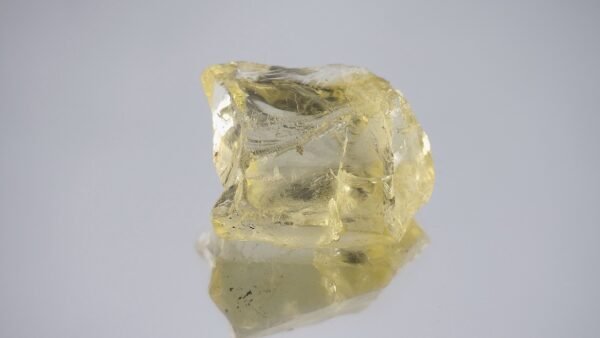
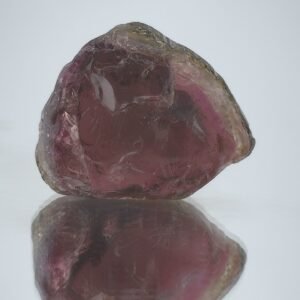
11.97CT Sunset Tourmaline Rough Evaluation
Geological Origins & Rarity
11.97CT Sunset Tourmaline Rough originates from a fascinating geological process, typically found in pegmatite formations. These formations are the late-stage crystallization of granitic magma, rich in volatile elements like boron, lithium, and fluorine – the essential ingredients for tourmaline growth. The specific ‘Sunset’ coloration, a delicate balance of pink and yellow, arises from trace amounts of manganese and iron within the crystal structure. Tourmaline doesn’t form in just any pegmatite; the conditions must be perfect – slow cooling, sufficient pressure, and the right chemical composition. This rarity contributes significantly to the value of fine specimens.
The source of this particular rough is crucial to understanding its characteristics. While tourmaline is found globally, the most vibrant and sought-after specimens often come from Brazil, Nigeria, and Afghanistan. Each location imparts a unique fingerprint to the stone, influencing subtle variations in color and clarity. The geological history also impacts inclusions – naturally occurring features within the stone. While inclusions can sometimes detract from value, in tourmaline, they often tell a story of the stone’s origin and can even enhance its character. Understanding the geological context is vital for any serious collector or cutter working with this 11.97CT Sunset Tourmaline Rough.
The formation process itself is complex. As magma cools, elements begin to crystallize. Tourmaline, being a complex borosilicate, requires a specific sequence of events. The presence of these rare elements, combined with the right temperature and pressure gradients, creates the ideal environment for these stunning crystals to develop. This is why finding a clean, well-formed 11.97CT Sunset Tourmaline Rough with excellent clarity is a true testament to nature’s artistry.
Optical Physics & Color Saturation
The captivating color of the 11.97CT Sunset Tourmaline Rough isn’t merely aesthetic; it’s a direct result of its optical physics. Tourmaline, as a complex silicate, exhibits a high refractive index, meaning light bends significantly as it enters the crystal. This contributes to its brilliance and ‘fire’ when properly cut. The specific shade of ‘Sunset’ is achieved through selective absorption of light wavelengths. Iron and manganese, acting as chromophores, absorb certain wavelengths and transmit others, resulting in the warm pink and yellow hues we perceive. The intensity of the color, known as saturation, is directly related to the concentration of these trace elements.
Pleochroism is another key physical property of tourmaline. This means the stone exhibits different colors when viewed from different angles. A skilled cutter will carefully analyze the pleochroism of the 11.97CT Sunset Tourmaline Rough to orient the stone in a way that maximizes the desired color display. This is particularly important with sunset tourmalines, where achieving a balanced and vibrant color is paramount. Birefringence, the splitting of light into two rays, is also a consideration, and cutters must account for this to prevent light leakage and maintain brilliance.
Furthermore, the stone’s clarity plays a critical role in light transmission. The 11.97CT Sunset Tourmaline Rough boasts excellent clarity, allowing light to travel freely through the crystal and maximizing its potential for brilliance. Any inclusions, while potentially adding character, can scatter light and reduce the overall sparkle. The dimensions – 16.14×13.88×7.87mm – are also important, as they influence the path light takes through the stone and impact the final result. A thorough understanding of these optical properties is essential for unlocking the full beauty of this 11.97CT Sunset Tourmaline Rough.
Master Cutter’s Bench Guide
Approaching the master cutter’s bench with a piece of 11.97CT Sunset Tourmaline Rough requires careful planning and a deep understanding of gemological principles. Before even touching a dop stick, a thorough examination of the rough is essential. This includes assessing the clarity, color distribution, and potential for inclusions. The dimensions of 16.14×13.88×7.87mm suggest a versatile rough suitable for a variety of cuts, but the final decision should be guided by maximizing both brilliance and color.
Considering the light yellow hue, a cut that emphasizes light return is crucial. Popular choices include oval, pear, or cushion cuts, all of which can showcase the stone’s color and brilliance effectively. However, a more unconventional cut, tailored to the unique characteristics of this 11.97CT Sunset Tourmaline Rough, could yield truly spectacular results. The cutter must carefully consider the pleochroism, ensuring the stone is oriented to display the most desirable color from all angles. Mapping the internal inclusions is also vital, allowing the cutter to avoid them or incorporate them creatively into the design.
Precision is paramount throughout the cutting process. Using a high-quality lap and maintaining consistent angles are essential for achieving a symmetrical and well-proportioned gem. The cutter must also be mindful of the stone’s birefringence, adjusting the pavilion angles accordingly to prevent light leakage. Finally, a meticulous polish is required to bring out the full brilliance and luster of the finished gem. Successfully transforming this 11.97CT Sunset Tourmaline Rough into a dazzling gemstone is a testament to the cutter’s skill and artistry. The potential yield from this piece, given its clarity and size, is exceptionally promising for an experienced lapidary.
Investment & Yield Potential
Investing in a rare gemstone like this 11.97CT Sunset Tourmaline Rough isn’t merely acquiring a beautiful object; it’s securing a tangible asset with potential for long-term appreciation. The demand for fine tourmalines, particularly those with exceptional color and clarity, continues to grow, driven by collectors, jewelry designers, and investors. Sunset tourmalines, with their delicate and captivating hues, are particularly sought after, making this 11.97CT Sunset Tourmaline Rough a promising addition to any portfolio.
The value of a faceted tourmaline is determined by several factors, including carat weight, color, clarity, cut, and overall brilliance. The fact that this stone is a rough provides an opportunity to maximize value through skilled cutting. A well-executed cut can significantly enhance the stone’s beauty and, consequently, its market price. Compared to other colored gemstones, tourmaline offers a relatively accessible entry point for investors, with prices ranging widely depending on quality and rarity. This 11.97CT Sunset Tourmaline Rough, with its excellent clarity and potential yield, represents a compelling investment opportunity.
However, it’s crucial to understand the market dynamics. Demand for specific colors and cuts fluctuates, so staying informed about current trends is essential. Furthermore, the rarity of Sunset Tourmaline means that supply is limited, which can drive up prices over time. Proper storage and insurance are also vital to protect your investment. Ultimately, acquiring this 11.97CT Sunset Tourmaline Rough is not just about potential financial gain; it’s about owning a piece of natural artistry with enduring beauty and value. The increasing scarcity of high-quality rough like this makes it a particularly astute investment.
For a detailed breakdown of this variety, visit the GIA Gem Encyclopedia or explore our Lapidary Guide for professional 11.97CT Sunset Tourmaline Rough cutting tips.
Master Cutter’s Bench Note for 11.97CT Sunset Tourmaline Rough
When orienting the stone for cutting, pay close attention to the subtle color zoning. Rotate the rough slowly under bright light to identify the area with the most intense and even coloration, and use that as your primary axis for the cut.
Technical Specifications
- Weight: 11.97CT
- Dimensions: 16.14×13.88×7.87mm
- Focus Keyword: 11.97CT Sunset Tourmaline Rough
Reviews
There are no reviews yet.