Description
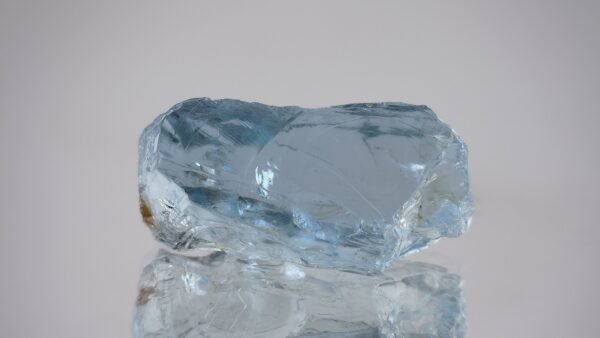
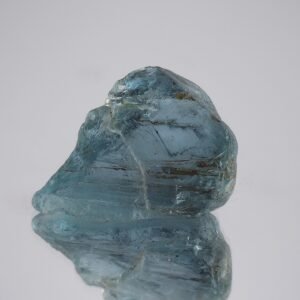
11.76CT Mozambique Aquamarine Rough Evaluation
Geological Origins & Rarity
11.76CT Mozambique Aquamarine Rough originates from the pegmatitic rocks of Mozambique, a region increasingly celebrated for its gem-quality Beryl. Aquamarine, as a variety of Beryl, shares its chemical composition (Be₃Al₂Si₆O₁₈) with Emerald and Morganite, but its blue coloration is attributed to trace amounts of iron. The geological processes that lead to the formation of Aquamarine are complex, requiring the presence of beryllium-rich granite magma and the right hydrothermal conditions.
Mozambique’s geological history, characterized by ancient continental crust and intense metamorphic activity, has created an environment conducive to Beryl formation. These Aquamarines typically form as long, prismatic crystals within pegmatites – coarse-grained igneous rocks. The specific geological setting within Mozambique, particularly in the Morumbene region, is known for producing Aquamarine with exceptional clarity and color. The rarity of finding such high-quality rough, like this 11.76CT Mozambique Aquamarine Rough, is due to the precise combination of geological factors required for its creation and preservation.
Compared to other Aquamarine sources like Brazil or Madagascar, Mozambique Aquamarine is often prized for its more intense and saturated blues. The conditions within the Mozambique pegmatites seem to favor the incorporation of the iron ions responsible for the blue hue, resulting in gems that exhibit a vibrant, ocean-like color. This particular 11.76CT Mozambique Aquamarine Rough represents a tangible piece of this fascinating geological history, a testament to the Earth’s powerful forces and the beauty they can create.
Optical Physics & Color Saturation
The optical physics of Aquamarine, and therefore of this stunning 11.76CT Mozambique Aquamarine Rough, are dictated by its crystal structure – a hexagonal system. This structure contributes to its strong pleochroism, meaning it exhibits different colors when viewed from different angles. Typically, Aquamarine displays shades of blue and slightly greenish-blue. The intensity of the blue color in the 11.76CT Mozambique Aquamarine Rough is a function of the concentration of iron impurities within the Beryl crystal lattice.
Color saturation in Aquamarine is not solely determined by iron content; clarity plays a crucial role. The more transparent the crystal, the more light can pass through, intensifying the perceived color. This particular rough shows remarkable clarity for an uncut stone, suggesting that a finished gem will boast exceptional brilliance. The refractive index of Aquamarine is approximately 1.565-1.590, contributing to its good sparkle and fire. The dispersion, or the ability to split white light into spectral colors, is moderate, adding to its visual appeal.
Understanding these optical properties is essential for maximizing the potential of the 11.76CT Mozambique Aquamarine Rough. A skilled cutter will utilize the pleochroism to their advantage, orienting the stone to display the most desirable blue hue. The rough’s dimensions (19.06×9.77×8.08mm) are indicative of a substantial piece of material that, when properly faceted, can yield a significant and beautiful gemstone. The interplay between these physical and optical properties is what makes this 11.76CT Mozambique Aquamarine Rough so valuable and desirable.
Master Cutter’s Bench Guide
Approaching the cutter’s bench with a piece like this 11.76CT Mozambique Aquamarine Rough requires a meticulous and thoughtful approach. The initial assessment should focus on identifying the optimal orientation to maximize both color and brilliance. Given the stone’s pleochroism, careful consideration must be given to the direction of the long axis relative to the crystal’s inherent color variations.
Pre-forming the 11.76CT Mozambique Aquamarine Rough involves carefully grinding away excess material to establish the basic shape of the desired gem. This stage is crucial for preserving as much weight as possible while revealing any internal flaws or inclusions. A skilled cutter will strategically work around these inclusions, either minimizing their visibility or incorporating them as unique character marks. For Aquamarine, oval and rectangular cuts are popular choices, as they showcase the stone’s inherent length and allow for optimal light return.
The faceting process itself demands precision and patience. Each facet must be angled and polished to exacting standards to ensure maximum light refraction and dispersion. A shallow cut can result in a “window” effect, where light passes straight through the stone without reflecting, diminishing its brilliance. A deep cut, conversely, can lead to light leakage and a dull appearance. The goal is to find the sweet spot that balances these factors, resulting in a vibrant and sparkling gemstone. This 11.76CT Mozambique Aquamarine Rough, with its potential for a magnificent finished stone, deserves the expertise of a master cutter who understands the nuances of Beryl and the art of gem faceting.
Investment & Yield Potential
Investing in a gemstone rough like this 11.76CT Mozambique Aquamarine Rough offers a unique blend of artistic appreciation and potential financial yield. While finished gemstones are readily available, acquiring a rough stone allows the investor to participate in the creation process and potentially increase its value through expert cutting and polishing. The increasing demand for high-quality Aquamarine, coupled with the diminishing availability of gem-grade rough from Mozambique, suggests a positive long-term outlook.
The value of a finished Aquamarine is determined by several factors, including carat weight, clarity, color, cut, and overall beauty. A well-cut gemstone originating from this 11.76CT Mozambique Aquamarine Rough, displaying vibrant color and exceptional clarity, could command a premium price in the market. The rarity of Mozambique Aquamarine further enhances its investment potential. Compared to other gemstone varieties, Aquamarine offers a relatively stable value, making it a more conservative investment option.
However, it’s important to note that the yield from a rough stone is not guaranteed. A significant portion of the original weight may be lost during the cutting process. Therefore, a thorough assessment of the rough’s quality and potential is crucial before making an investment. The 11.76CT Mozambique Aquamarine Rough presents a compelling opportunity for both collectors and investors seeking a beautiful and potentially lucrative addition to their portfolios. The combination of its size, clarity, and origin makes it a particularly attractive piece.
For a detailed breakdown of this variety, visit the GIA Gem Encyclopedia or explore our Lapidary Guide for professional 11.76CT Mozambique Aquamarine Rough cutting tips.
Master Cutter’s Bench Note for 11.76CT Mozambique Aquamarine Rough
Prioritize maximizing color display by carefully orienting the stone during pre-forming. A slight angle adjustment can dramatically enhance the final gem’s vibrancy.
Technical Specifications
- Weight: 11.76CT
- Dimensions: 19.06×9.77×8.08mm
- Focus Keyword: 11.76CT Mozambique Aquamarine Rough
Reviews
There are no reviews yet.