Description
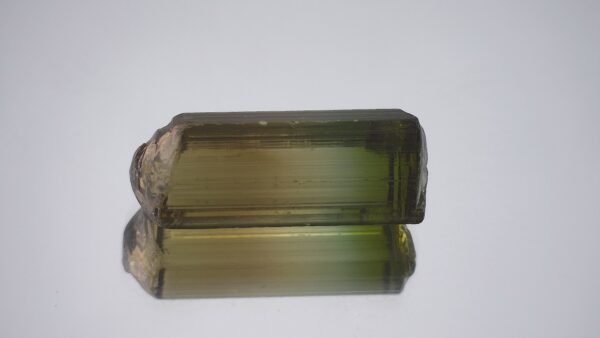
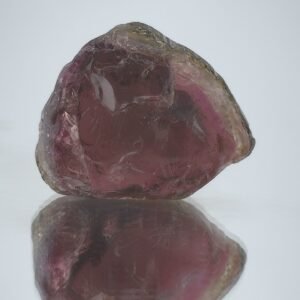
11.44CT Bi-Color Tourmaline Rough Evaluation
Geological Origins & Rarity
11.44CT Bi-Color Tourmaline Rough originates from a fascinating geological story, typically forming within pegmatitic granites and metamorphic rocks. These environments, rich in boron, fluorine, and lithium, are crucial for tourmaline’s creation. The bi-color phenomenon itself arises from variations in the chemical composition within the crystal as it grows. Different trace elements, such as iron, manganese, and chromium, concentrate in distinct zones, leading to the captivating color separation we observe. The pink and green hues present in this particular specimen are often linked to the presence of manganese and iron respectively, with the interplay between these elements dictating the intensity and distribution of color.
Tourmaline’s formation isn’t a quick process; it demands specific conditions over millions of years, contributing to its relative rarity. Finding a piece of this size and clarity, like the 11.44CT Bi-Color Tourmaline Rough, is a testament to the unique geological circumstances that allowed its development. The sourcing location also plays a critical role, with Brazil, Afghanistan, Nigeria, and Sri Lanka being renowned for high-quality tourmaline deposits. Each locality imparts slightly different characteristics to the stones, influencing their color profiles and overall quality. This particular rough exhibits characteristics suggesting a potentially high-grade origin, further enhancing its desirability.
The presence of well-defined crystal structures, as seen in this 11.44CT Bi-Color Tourmaline Rough, indicates optimal growth conditions and minimal internal fracturing, a key factor for achieving a brilliant, durable finished gem.
Optical Physics & Color Saturation
The optical physics behind the captivating color display of the 11.44CT Bi-Color Tourmaline Rough are complex and fascinating. Tourmaline, as a cyclosilicate, exhibits strong pleochroism – meaning it displays different colors when viewed from different angles. This is a direct result of the stone’s unique crystal structure and the way it absorbs light. The bi-color effect is amplified by the differential absorption of light wavelengths across the color zones within the crystal. The pink portion, often influenced by manganese, absorbs light differently than the green portion, which contains iron.
Color saturation in tourmaline is determined by the concentration of these coloring agents, as well as the stone’s internal structure. A well-saturated color, like that promised within the 11.44CT Bi-Color Tourmaline Rough, indicates a high concentration of the responsible elements and minimal interference from other impurities. Transparency is also vital; it allows light to pass through the stone unimpeded, maximizing color brilliance. The refractive index of tourmaline is relatively high, contributing to its inherent sparkle. This, combined with its dispersion (the ability to separate white light into its spectral colors), creates a vibrant and lively appearance.
Understanding these optical properties is essential for a cutter when planning the faceting process. The goal is to orient the stone in a way that maximizes color contrast and brilliance, showcasing the unique beauty of the 11.44CT Bi-Color Tourmaline Rough. Careful consideration of the stone’s pleochroism is crucial to avoid dulling the colors or creating undesirable visual effects.
Master Cutter’s Bench Guide
Approaching the 11.44CT Bi-Color Tourmaline Rough on the master cutter’s bench requires a meticulous and strategic approach. The initial assessment should focus on understanding the orientation of the color zones and identifying the optimal cutting angle to maximize contrast and brilliance. Pre-forming the stone is a crucial first step, carefully removing excess material while preserving the overall shape and potential yield. It’s vital to avoid rushing this process, as mistakes can significantly impact the final result.
When faceting bi-color tourmaline, symmetry is paramount. A well-balanced cut will ensure that both color zones are equally displayed, creating a harmonious and visually appealing gem. The choice of facet pattern is also important. Brilliant cuts, such as round brilliant or oval brilliant, are often preferred for maximizing sparkle, while step cuts can accentuate the color banding. This 11.44CT Bi-Color Tourmaline Rough’s dimensions – 19.82×7.74×7.42mm – suggest a potential for a larger, impressive finished gem, but careful planning is needed to maintain clarity and minimize weight loss.
Polish is the final, and often most critical, stage. A flawless polish will enhance the stone’s brilliance and bring out the full depth of color. Any imperfections in the polish will detract from the overall beauty of the gem. Experienced cutters will use a series of progressively finer polishing compounds to achieve a mirror-like finish, allowing the 11.44CT Bi-Color Tourmaline Rough to truly shine. Remember that patience and precision are key to unlocking the full potential of this exceptional rough.
Investment & Yield Potential
The investment potential of a rare gemstone like the 11.44CT Bi-Color Tourmaline Rough extends beyond its inherent beauty. High-quality, bi-color tourmalines are increasingly sought after by collectors and jewelry enthusiasts, driving up demand and value. The rarity of this particular stone, coupled with its excellent clarity and promising color zoning, positions it as a potentially lucrative investment. Unlike many commodities, gemstones are finite resources, meaning their value tends to appreciate over time.
The yield potential of the 11.44CT Bi-Color Tourmaline Rough is a key factor in determining its investment value. A skilled cutter can maximize the finished gem’s weight and brilliance, significantly increasing its market price. The finished gem can then be sold as a standalone investment piece, incorporated into a high-end jewelry design, or held as part of a long-term gemstone portfolio. The demand for ethically sourced and unique gemstones is also growing, further enhancing the value of responsibly obtained specimens like this.
While gemstone investment carries inherent risks, the 11.44CT Bi-Color Tourmaline Rough offers a compelling combination of rarity, beauty, and potential for appreciation. Its unique characteristics make it a standout piece, capable of generating a significant return on investment over time. Consider the increasing popularity of colored gemstones and the growing interest in unique, one-of-a-kind jewelry pieces when evaluating the long-term value of this exceptional rough.
For a detailed breakdown of this variety, visit the GIA Gem Encyclopedia or explore our Lapidary Guide for professional 11.44CT Bi-Color Tourmaline Rough cutting tips.
Master Cutter’s Bench Note for 11.44CT Bi-Color Tourmaline Rough
Prioritize maintaining maximum pavilion depth to enhance light return and minimize windowing, especially given the bi-color zoning. Careful angle control is critical.
Technical Specifications
- Weight: 11.44CT
- Dimensions: 19.82×7.74×7.42mm
- Focus Keyword: 11.44CT Bi-Color Tourmaline Rough
Reviews
There are no reviews yet.