Description
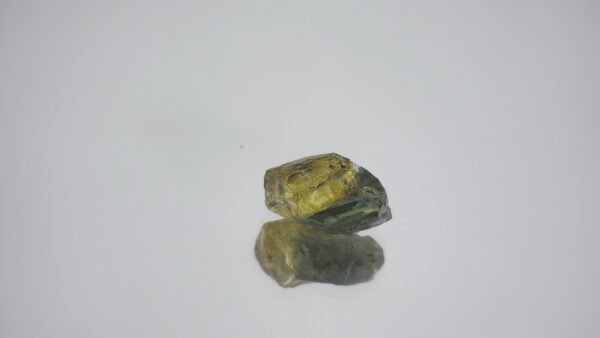
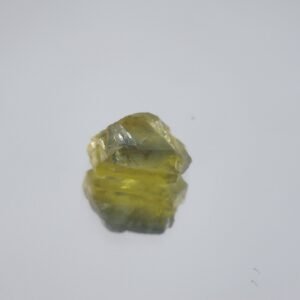
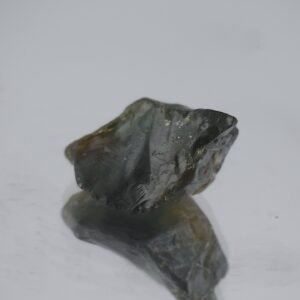
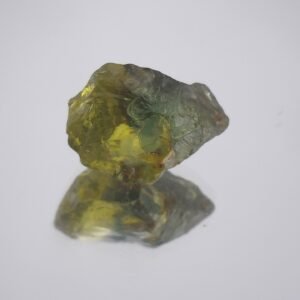
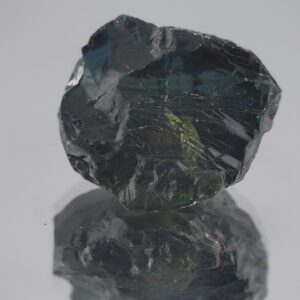
1.71CT Bi-Color Sapphire Rough Evaluation
Geological Origins & Rarity
1.71CT Bi-Color Sapphire Rough originates from the fascinating world of corundum deposits, typically found in metamorphic and igneous rocks. Sapphires, renowned for their hardness and durability, are formed under immense pressure and heat deep within the Earth’s crust. The bi-color nature of this particular stone arises from variations in trace element concentrations – primarily iron and titanium – during its crystallization process. These elements, combined with geological conditions, create distinct color zones within the crystal. The presence of both blue and yellow hues in the 1.71CT Bi-Color Sapphire Rough suggests a complex growth history, potentially influenced by fluctuating chemical environments within the host rock.
The rarity of bi-color sapphires is significantly higher than that of uniformly colored stones. This is because the conditions required to create and maintain these distinct color zones are quite specific. Most sapphire rough will exhibit a dominant color, but to find a stone displaying a clear and attractive combination, like this 1.71CT Bi-Color Sapphire Rough, requires a unique confluence of geological factors. Sources for bi-color sapphires are found globally, including Sri Lanka, Madagascar, and Australia, but consistent quality and desirable color combinations are exceptionally scarce. Understanding the geological origins helps appreciate the unique value of this gemstone.
The rough’s potential lies in its untouched state, preserving the natural history embedded within. A skilled cutter can strategically reveal these layers, showcasing the sapphire’s journey from the Earth’s depths. Considering the origin, the 1.71CT Bi-Color Sapphire Rough represents a piece of geological history, making it a highly sought-after specimen by collectors and lapidaries alike.
Optical Physics & Color Saturation
The optical physics behind the captivating colors of the 1.71CT Bi-Color Sapphire Rough are rooted in the selective absorption of light. Corundum, the mineral that forms sapphire, is inherently colorless. The beautiful blue and yellow hues we observe are created by trace elements within the crystal lattice. Iron and titanium are primarily responsible for the blue coloration, while iron, vanadium, and sometimes nickel contribute to the yellow tones. The arrangement and concentration of these elements dictate the intensity and distribution of color within the stone.
The bi-color nature of this 1.71CT Bi-Color Sapphire Rough is a result of uneven distribution of these color-causing elements during crystal growth. This zoning creates distinct areas of differing color saturation and hue. Light entering the stone interacts differently with these zones, resulting in a fascinating visual effect. The degree of color saturation is also influenced by the stone’s clarity and internal reflections. A highly saturated color, combined with excellent clarity, will maximize brilliance and fire. The 1.71CT Bi-Color Sapphire Rough’s potential for exceptional brilliance is high, given the right cutting strategy.
Furthermore, sapphire exhibits pleochroism – the ability to display different colors when viewed from different angles. This phenomenon, while subtle in some sapphires, can be pronounced in bi-color stones, adding another layer of complexity and visual interest. Understanding these optical properties is crucial for a cutter to maximize the stone’s inherent beauty. The key is to orient the stone during faceting to enhance the desired colors and minimize any undesirable hues, ultimately unveiling the full potential of this 1.71CT Bi-Color Sapphire Rough.
Master Cutter’s Bench Guide
Approaching the 1.71CT Bi-Color Sapphire Rough on the master cutter’s bench requires a strategic and thoughtful approach. Unlike cutting a uniformly colored stone, the goal isn’t simply to maximize weight retention, but to harmoniously showcase the contrasting blue and yellow zones. A preliminary examination under strong magnification is essential to map the color distribution and identify any internal flaws. The dimensions of 8.40×5.05×4.49mm provide a good starting point for assessing the stone’s proportions and potential yield.
The initial blocking stage should prioritize preserving the most vibrant and distinct color zones. Consider a cut that allows both colors to be visible from the table, perhaps a modified brilliant or a step cut. Avoid cuts that would blend the colors together, diminishing the bi-color effect. The cutter must also consider the stone’s inherent pleochroism, orienting the pavilion facets to enhance the desired color display. A skilled lapidary understands that the 1.71CT Bi-Color Sapphire Rough is not just a stone to be cut, but a miniature landscape to be revealed.
Precision is paramount throughout the faceting process. The use of a high-quality lap wheel and consistent angles are crucial for achieving optimal brilliance and symmetry. Polishing should be performed with extreme care, ensuring a flawless finish that enhances the stone’s clarity and color saturation. Ultimately, the goal is to transform the 1.71CT Bi-Color Sapphire Rough into a breathtaking gemstone that captures the imagination and showcases the beauty of nature’s artistry. This stone demands a cutter who sees beyond the rough and envisions the finished masterpiece.
Investment & Yield Potential
Investing in a rare gemstone like the 1.71CT Bi-Color Sapphire Rough presents a unique opportunity for potential yield. While finished sapphires are valuable, the rough stone, particularly one with such distinct characteristics, holds intrinsic appeal for collectors and designers. The increasing demand for colored gemstones, coupled with the limited supply of high-quality bi-color sapphires, drives up their value over time. The 1.71CT Bi-Color Sapphire Rough’s rarity and potential for a stunning finished stone make it an attractive addition to any gemstone portfolio.
The investment potential is further enhanced by the stone’s inherent qualities – its clarity, color saturation, and faceting potential. A skillfully cut bi-color sapphire can command a significantly higher price than the cost of the rough, creating a substantial return on investment. However, it’s crucial to recognize that the final value is heavily dependent on the cutter’s expertise. A well-cut stone will maximize the stone’s brilliance and showcase its unique bi-color effect, significantly increasing its market value. The 1.71CT Bi-Color Sapphire Rough, in the hands of a master lapidary, is poised to yield a substantial return.
Beyond financial gains, owning a gemstone like this offers a tangible asset with enduring beauty. It’s a piece of geological history, a testament to nature’s artistry, and a potential heirloom to be cherished for generations. The 1.71CT Bi-Color Sapphire Rough isn’t merely an investment; it’s an acquisition of beauty and a connection to the Earth’s natural wonders. The demand for ethically sourced and unique gemstones is growing, further solidifying the long-term value of this exceptional rough.
For a detailed breakdown of this variety, visit the GIA Gem Encyclopedia or explore our Lapidary Guide for professional 1.71CT Bi-Color Sapphire Rough cutting tips.
Master Cutter’s Bench Note for 1.71CT Bi-Color Sapphire Rough
Due to the color zoning, pre-blocking with a dop stick angled to bisect the color transition can maximize the bi-color effect in the finished gem. Proceed slowly and frequently check the color play under magnification.
Technical Specifications
- Weight: 1.71CT
- Dimensions: 8.40×5.05×4.49mm
- Focus Keyword: 1.71CT Bi-Color Sapphire Rough
Reviews
There are no reviews yet.