Description
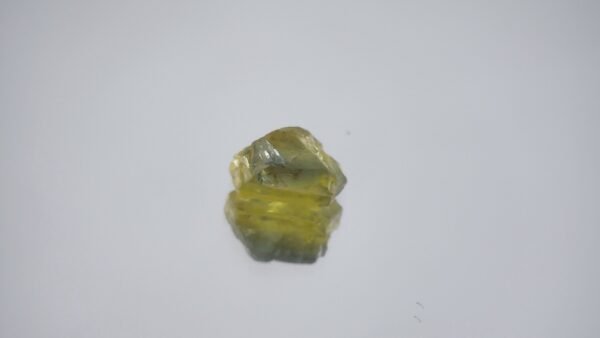
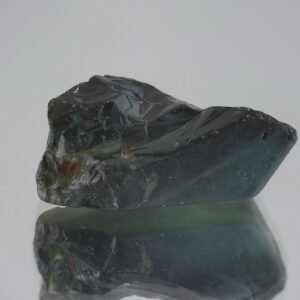
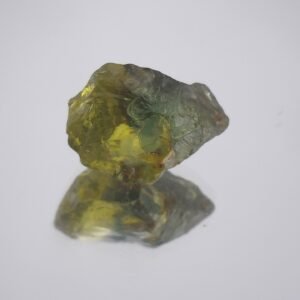
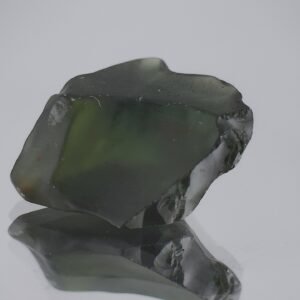
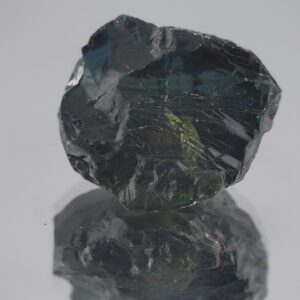
1.70CT Bi-Color Sapphire Rough Evaluation
Geological Origins & Rarity
1.70CT Bi-Color Sapphire Rough originates from the fascinating world of corundum deposits, primarily found in alluvial gravels of Southeast Asia, particularly Sri Lanka and Madagascar. These deposits are the result of ancient volcanic activity and subsequent weathering, which liberated the sapphires from their host rocks. The bi-color phenomenon itself is a result of varying concentrations of trace elements – typically iron and titanium – within the crystal structure during its formation. Uneven distribution of these elements creates distinct color zones, giving rise to the captivating two-toned effect we see in this particular piece.
The rarity of bi-color sapphires is significantly higher than that of uniformly colored sapphires. This is because the conditions required for simultaneous, yet separated, trace element incorporation are quite specific. The 1.70CT Bi-Color Sapphire Rough represents a unique find, as the clarity and distinct zoning offer a promising outcome for a skilled cutter. The geological journey from magma to rough gemstone is long and arduous, meaning only a tiny fraction of formed sapphires meet the standards for faceting quality. Furthermore, the specific combination of blue and yellow coloration in this rough makes it exceptionally desirable to collectors and jewelry designers alike.
Understanding the geological context helps appreciate the inherent value of this stone. The very process that created this 1.70CT Bi-Color Sapphire Rough involved immense pressure, heat, and time, making it a truly remarkable piece of Earth’s history.
Optical Physics & Color Saturation
The optical physics governing the brilliance and color saturation of a sapphire, and particularly this 1.70CT Bi-Color Sapphire Rough, are complex and fascinating. Sapphires, being a variety of corundum (aluminum oxide – Al2O3), possess a high refractive index (around 1.76-1.77), contributing to their exceptional sparkle. This high refractive index means light bends significantly as it enters the stone, maximizing internal reflection and creating a bright, lively appearance. The bi-color effect arises from dichroism, where the stone exhibits different colors when viewed from different angles due to the selective absorption of light based on its polarization.
The presence of iron and titanium ions within the crystal lattice is crucial for color. Iron typically contributes to yellow hues, while titanium is responsible for blue. The concentration and distribution of these ions dictate the intensity and shade of each color zone. In the 1.70CT Bi-Color Sapphire Rough, the distinct zoning suggests a non-homogeneous distribution of these elements. A skilled cutter can strategically orient the stone to maximize the visibility of both colors, creating a mesmerizing visual effect.
Clarity plays a vital role in maximizing light return. While some inclusions are natural and acceptable, excessive inclusions can scatter light, reducing brilliance. The quality of this 1.70CT Bi-Color Sapphire Rough suggests sufficient clarity for excellent faceting. Furthermore, the specific gravity of sapphire (around 4.00) impacts how light interacts with the stone, influencing its overall appearance and weight-to-size ratio. A thorough understanding of these optical properties is paramount for unlocking the full potential of this beautiful gem.
Master Cutter’s Bench Guide
Approaching the cutting of a 1.70CT Bi-Color Sapphire Rough requires a master cutter’s careful planning and execution. Initial assessment is critical: a thorough examination under magnification reveals the color zoning, clarity characteristics, and potential internal stresses. The goal is to maximize both color display and brilliance. Unlike a uniformly colored sapphire, the cutter must consider how to best showcase *both* color zones, potentially opting for a cut that emphasizes the transition between them. This 1.70CT Bi-Color Sapphire Rough, with its dimensions of 7.59×4.88×4.64mm, presents a challenging yet rewarding project.
Preforming, or rough shaping, is the first step. Careful bruting (rounding the girdle) is essential to preserve as much weight as possible while establishing a suitable shape for faceting. The cutter must consider the rough’s natural cleavage planes and avoid cutting against them. Next comes the faceting process, which involves precise angles and polishing. Oval, cushion, and pear shapes are often favored for bi-color sapphires, as they allow for a greater display of color.
Maintaining symmetry and polish are paramount. Any imperfections in these areas will detract from the stone’s brilliance and beauty. The cutter should continuously evaluate the stone’s appearance under different lighting conditions to ensure optimal color saturation and sparkle. For this 1.70CT Bi-Color Sapphire Rough, a strategic pavilion cut can enhance the visibility of both the blue and yellow zones, creating a truly stunning finished gem. Remember that every cut is a balance of preserving carat weight, maximizing brilliance, and showcasing the unique beauty of the rough.
Investment & Yield Potential
Investing in a 1.70CT Bi-Color Sapphire Rough, like this exceptional piece, offers a unique opportunity in the gem market. While finished sapphires are always in demand, rough stones with strong potential for exceptional color and clarity are becoming increasingly rare. The increasing popularity of colored gemstones, coupled with limited supply, drives up prices over time. Bi-color sapphires, in particular, are highly sought after by collectors and designers looking for distinctive pieces.
The yield potential of a 1.70CT Bi-Color Sapphire Rough depends heavily on the skill of the cutter. A skilled cutter can minimize weight loss during faceting while maximizing brilliance and color saturation, significantly increasing the value of the finished gem. The finished stone’s color distribution, clarity, and cut quality will all contribute to its final market value.
Compared to diamonds, colored gemstones like sapphires often offer a more diversified investment opportunity. While diamonds maintain a relatively stable price point, the value of rare colored gemstones can appreciate more rapidly. A well-cut bi-color sapphire, originating from a high-quality 1.70CT Bi-Color Sapphire Rough, can be a valuable addition to any gem collection and potentially yield a significant return on investment. It’s important to note that gem investment, like any investment, carries risk, and thorough research is recommended.
For a detailed breakdown of this variety, visit the GIA Gem Encyclopedia or explore our Lapidary Guide for professional 1.70CT Bi-Color Sapphire Rough cutting tips.
Master Cutter’s Bench Note for 1.70CT Bi-Color Sapphire Rough
When orienting the rough, prioritize maximizing the visible surface area of *both* color zones simultaneously. A slight twist during preforming can make a huge difference.
Technical Specifications
- Weight: 1.70CT
- Dimensions: 7.59×4.88×4.64mm
- Focus Keyword: 1.70CT Bi-Color Sapphire Rough
Reviews
There are no reviews yet.