Description
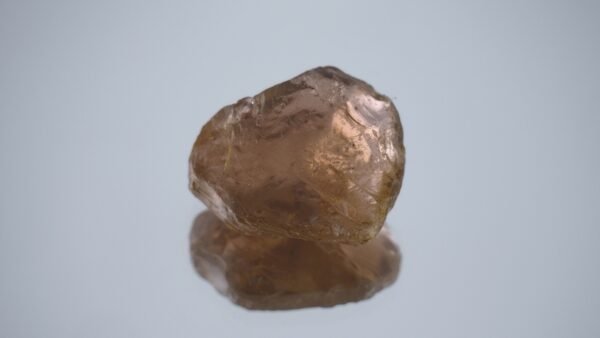
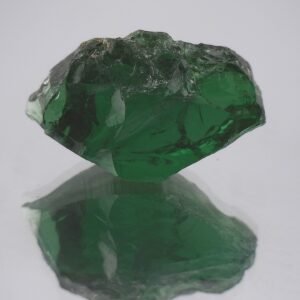
4.46CT Pink Tourmaline Rough Evaluation
Geological Origins & Rarity
4.46CT Pink Tourmaline Rough originates from a fascinating geological process, primarily forming within granite pegmatites. These pegmatites, the late-stage crystallization product of magma, provide the ideal environment for the growth of tourmaline crystals. The pink coloration in this particular stone is a direct result of manganese content within the elbaite crystal structure, a common variety of tourmaline. The presence of other trace elements, like lithium and aluminum, also contributes to the overall stability and beauty of the gem.
Tourmaline formation requires a unique combination of high temperature, pressure, and the availability of these essential elements. The rough’s origin often dictates its specific characteristics. While many pink tourmalines come from Brazil, Mozambique, and Nigeria, pinpointing the exact location of this 4.46CT Pink Tourmaline Rough requires careful analysis of its inclusions and chemical fingerprint. The rarity of gem-quality pink tourmaline, especially in larger sizes, is due to the specific conditions needed for its creation and the relative scarcity of manganese-rich pegmatites. Finding a piece of this caliber, with the potential for a substantial faceted stone, is a testament to nature’s artistry.
The rough’s surface texture and inclusions offer clues to its journey from the Earth’s depths. These natural imperfections, when skillfully addressed by a lapidary artist, can actually *enhance* the gem’s character, telling a story of its unique geological history. A well-preserved rough, like this 4.46CT Pink Tourmaline Rough, represents a tangible connection to the powerful forces that shape our planet.
Optical Physics & Color Saturation
The optical physics of tourmaline are complex and contribute to its exceptional brilliance and pleochroism. Tourmaline is a highly anisotropic gem, meaning it exhibits different refractive indices depending on the direction of light passing through it. This anisotropy is responsible for the gem’s inherent sparkle and fire. The 4.46CT Pink Tourmaline Rough, even in its uncut state, demonstrates this potential, with light interacting with its internal structure in a way that hints at the vibrant flashes to come after faceting.
Color saturation in pink tourmaline, and specifically within this 4.46CT Pink Tourmaline Rough, is directly related to the concentration of manganese ions. These ions absorb certain wavelengths of light, leaving the pink hues we perceive. The depth and evenness of the color are critical factors in determining the gem’s value. Subtle variations in manganese distribution can create fascinating color zoning, adding to the stone’s uniqueness. The peachy undertones present in this particular rough suggest a delicate balance of manganese and other trace elements.
The rough’s refractive index (typically around 1.614 to 1.666) influences how light bends as it enters the stone, impacting its brilliance. Understanding this, along with the gem’s dispersion (0.018 to 0.020), is vital for a cutter. Proper orientation during faceting maximizes light return and minimizes light leakage, ultimately unlocking the full potential of the 4.46CT Pink Tourmaline Rough. The clarity, or lack thereof, also plays a significant role; inclusions scatter light, potentially reducing brilliance, but can also create captivating visual effects.
Master Cutter’s Bench Guide
Approaching the 4.46CT Pink Tourmaline Rough on the master cutter’s bench requires a thoughtful and strategic plan. The first step is a thorough examination of the rough to identify the optimal cutting direction. This involves carefully assessing the color distribution, clarity, and potential for maximizing yield. Given the dimensions of 11.96×10.28×5.50mm, a cushion cut or oval cut would likely be ideal, preserving a significant portion of the original weight while showcasing the gem’s inherent beauty.
Preforming the rough – the initial shaping process – is crucial. It’s essential to remove any surface imperfections and establish the basic outline of the future gem. This stage requires precision and patience, as any mistakes can drastically reduce the final yield. The cutter must constantly visualize the finished gem and adjust their technique accordingly. For the 4.46CT Pink Tourmaline Rough, preserving the delicate pink hue and avoiding any color dilution is paramount.
Faceting itself is an art form. Each facet must be angled and polished with meticulous care to maximize light return and create a brilliant, lively gem. The cutter needs to consider the gem’s pleochroism – the ability to exhibit different colors from different angles – and orient the facets to emphasize the most desirable hues. A skilled lapidary will not merely cut a stone; they will *reveal* the beauty hidden within the 4.46CT Pink Tourmaline Rough, transforming it into a breathtaking work of art. Finally, a precise polish brings the gem to its final, dazzling state, ready to be admired and cherished.
Investment & Yield Potential
Investing in a rough gemstone like this 4.46CT Pink Tourmaline Rough offers a unique opportunity beyond simply acquiring a beautiful object. While the finished gemstone will undoubtedly hold aesthetic value, the potential for appreciation also exists. The demand for high-quality pink tourmaline continues to grow, driven by its increasing popularity in fine jewelry and collector circles. The rarity of larger, clean pink tourmaline rough contributes to its investment potential.
The yield from a 4.46CT Pink Tourmaline Rough is a critical factor in determining its overall value. A skilled cutter can maximize the weight retention while achieving a brilliant and flawless finish. This expertise adds significant value to the final product. The finished gem’s color saturation, clarity, and cut grade will all influence its market price. A well-cut, vibrant pink tourmaline can command a premium price per carat.
Compared to investing in finished gemstones, purchasing rough offers the potential for a higher return, but also carries a degree of risk. The cutter bears the responsibility for maximizing the gem’s potential, and any mistakes can reduce its value. However, for those with the knowledge and resources to collaborate with a skilled lapidary, a 4.46CT Pink Tourmaline Rough represents a compelling investment opportunity. The combination of rarity, beauty, and potential for appreciation makes it a desirable addition to any gemstone portfolio.
For a detailed breakdown of this variety, visit the GIA Gem Encyclopedia or explore our Lapidary Guide for professional 4.46CT Pink Tourmaline Rough cutting tips.
Master Cutter’s Bench Note for 4.46CT Pink Tourmaline Rough
When orienting this rough, pay close attention to the subtle color zoning. A slight tilt can dramatically improve the final gem’s color saturation. Pre-forming should be done cautiously, prioritizing color retention over maximizing weight.
Technical Specifications
- Weight: 4.46CT
- Dimensions: 11.96×10.28×5.50mm
- Focus Keyword: 4.46CT Pink Tourmaline Rough
Reviews
There are no reviews yet.