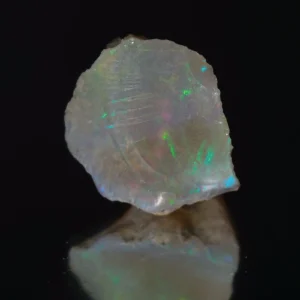
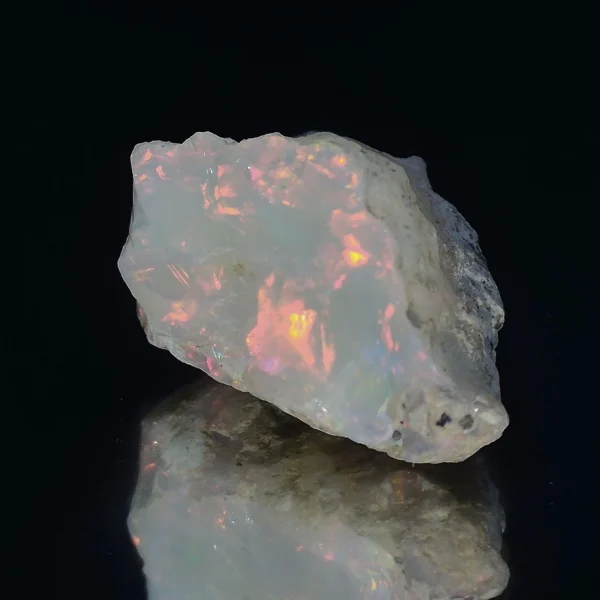
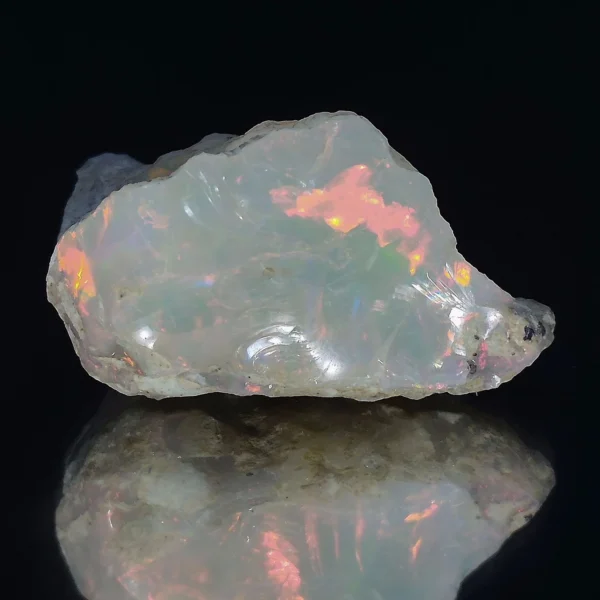
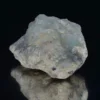
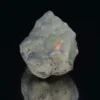
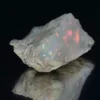
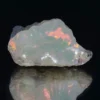
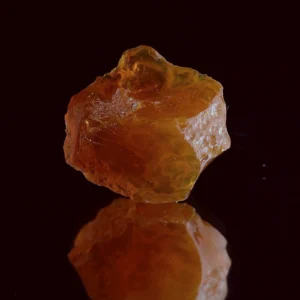
13.47ct Ethiopian Opal rough, front right view
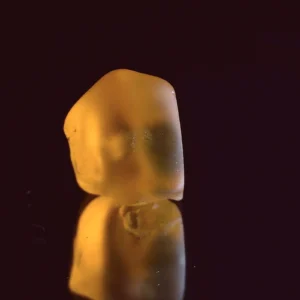
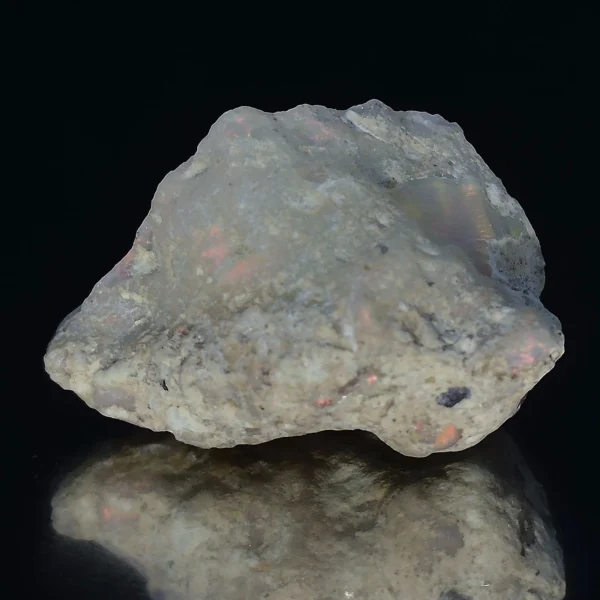
13.47ct Ethiopian Opal rough, back left view
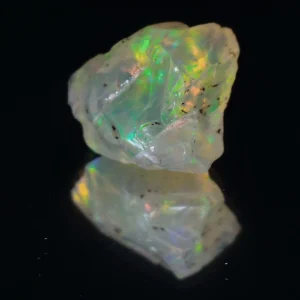
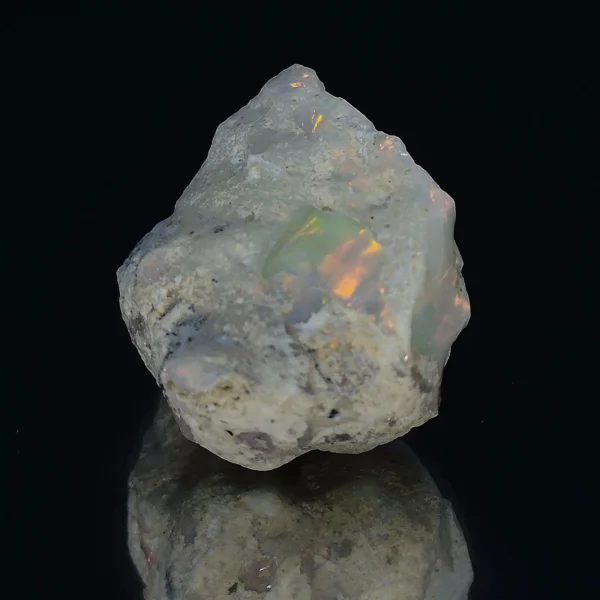
13.47ct Ethiopian Opal rough, pavilion view
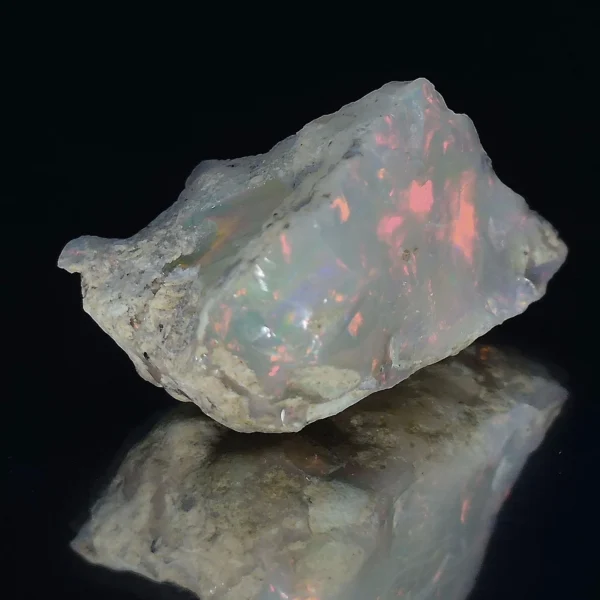
13.47ct Ethiopian Opal rough, back right view
13.47ct Ethiopian Opal rough, front left view
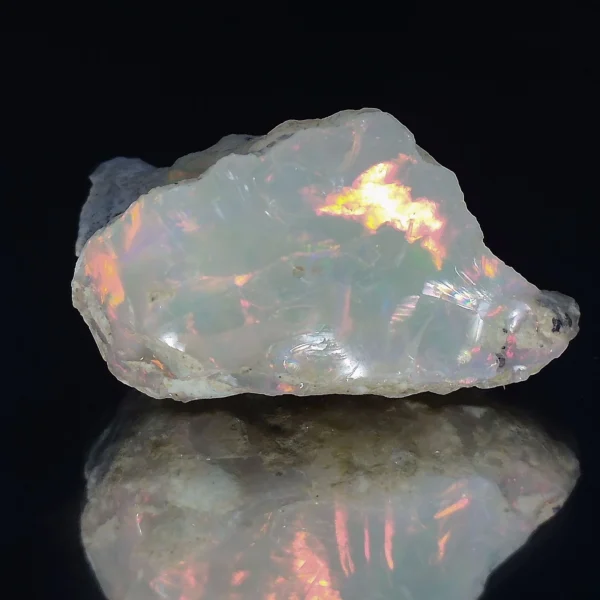
13.47ct Ethiopian Opal rough in daylight

13.47CT Ethiopian Opal Faceting Rough | Uncut Gemstone

$202.05

This 13.47CT Ethiopian Opal Rough features a white color and eye clean clarity from Ethiopia. Measures 21.69×13.08×14.49mm for oval, pear, or emerald.

Variety: Ethiopian Opal | Gem: Opal | Weight: 13.47 ct | Size: 21.69×13.08×14.49mm | Color: White | Origin: Ethiopia | Clarity: Eye Clean | Treatment: None known

1 in stock

SKU: qfcXZ6WE4Uc Categories: ,

Technical Specifications & Gemological Properties

Specifications for 13.47CT Ethiopian Opal Faceting Rough
Carat Weight 13.47CT
Dimensions 21.69 × 13.08 × 14.49mm
Origin Ethiopia
Treatment None known
Color White
Clarity Grade Eye Clean
Gem family Opal
Variety Ethiopian Opal
Refractive Index 1.40–1.46 †
Hardness (Mohs) 5.5–6.5 †
Optic Character Amorphous (singly refractive) †
Pleochroism None †
Specific Gravity 1.8–2.1 †

† Typical reference value for ethiopian (welo) opal; individual stones vary.

How to orient and cut this rough — Lapidary Guide

Description

At 21.69×13.08×14.49mm, white body tones highlight this 13.47ct ethiopian opal rough from Ethiopia. This stone is eye clean. Oval, pear, and emerald are the recommended shapes for this piece. Photos show vivid orange and yellow play-of-color flashes across a smooth, blocky body with attached potch on the reverse.

Cutting Notes

Photos show the most active flashes in orange and red across the upper and central body, with green flashes toward the lower side. Set the table to hold that upper body color, and check the flashes from several angles before you commit. Keep the grey matrix edge out of the working face where you can, and decide early whether the oval, pear or emerald outline will leave it behind. The blocky outline gives you room to choose between these three shapes after you have seen where the color sits.

Ethiopian opal has a hardness of 5.5 to 6.5 on the Mohs scale and no cleavage, but it contains water. Heat, rapid drying or a sudden temperature change can cause crazing, so keep the rough cool and wet at the bench. Ethiopian opal is often hydrophane, so it can turn clearer or lose play of color while wet and return as it dries slowly. Keep oils, dyes and dirty water away from it. Its refractive index sits near 1.45 and its critical angle is about 43 degrees, so expect less brilliance than most gems and judge the stone by its play of color.

Cutter’s tip: Keep your water drip steady during preforming and do not force the stone against the wheel, as heat build-up is the main cause of crazing in Ethiopian opal.

Every stone is filmed on video before it is listed, so what you see is the stone you get. For background on Ethiopian Opal, see the GIA Opal guide. Browse more Ethiopian Opal faceting rough from Jackson’s Gems.

New to cutting Opal? See the Lapidary Guide.
Questions About This Ethiopian Opal Rough

How should I orient the table on Ethiopian opal rough?

Place the table where the play of color is most active, because opal is chosen for body color and play of color more than brilliance. Check the flashes from several angles first, since color moves as the stone turns. Opal has a critical angle of about 43 degrees, so the table position matters more than it would on a higher-brilliance gem.

Can Ethiopian opal crack during cutting?

Ethiopian opal contains water, so heat, rapid drying or sudden temperature change can cause crazing. Keep the rough cool and wet while you grind and polish. Opal also has no cleavage, so the main risk is water loss and temperature, not splitting along a plane.

Why does Ethiopian opal look different when wet?

Ethiopian (Welo) opal is often hydrophane, meaning it absorbs water and can turn clearer or lose play of color while wet. The color returns as the stone dries slowly. Judge the play of color after the stone has dried back to its normal state.

What hardness is Ethiopian opal, and how does that affect polishing?

Ethiopian opal rates 5.5 to 6.5 on the Mohs scale, which is softer than quartz. Its refractive index is about 1.45, so it polishes to a soft luster rather than a hard, mirror-like brilliance. Use gentle pressure and keep dirt and oils off the surface.

Which shapes suit a blocky Ethiopian opal rough like this one?

Oval, pear and emerald are the recommended shapes for this stone. A blocky outline gives room to place the table over the most active color before you choose the final shape. Compare each shape against the photos and mark where the matrix edge falls.

Reviews

There are no reviews yet.

Be the first to review “13.47CT Ethiopian Opal Faceting Rough | Uncut Gemstone”

Your email address will not be published. Required fields are marked *